The evolution of home climate control has reached an exciting inflection point in 2026. Smart thermostats have moved beyond simple temperature scheduling to become intelligent hubs that learn your preferences, optimize energy consumption, and seamlessly integrate with your broader smart home ecosystem. Whether you are upgrading from a basic programmable thermostat or building out a comprehensive smart home for the first time, investing in the right smart thermostat can deliver measurable savings on your utility bills while dramatically improving daily comfort.
According to the U.S. Department of Energy, proper temperature scheduling through a smart thermostat can reduce heating and cooling costs by 10-15% annually. For the average American household, this translates to approximately $130-$200 in savings per year—meaning most smart thermostats pay for themselves within two heating and cooling seasons. Beyond the financial benefits, the convenience of adjusting your home temperature from anywhere, having your thermostat automatically adapt to your schedule, and receiving alerts about HVAC performance issues adds significant value to everyday life.
Why Smart Thermostats Matter in 2026
The smart thermostat market has matured significantly, with leading manufacturers now offering features that seemed futuristic just a few years ago. Today top models incorporate machine learning algorithms that observe your behavior patterns and automatically create optimized heating and cooling schedules. They integrate with weather forecasts to preemptively adjust indoor temperatures based on outdoor conditions. Many now support multiple smart home ecosystems, ensuring compatibility whether you are invested in Amazon Alexa, Google Home, Apple HomeKit, or Samsung SmartThings.
Energy efficiency has become a central focus, with utility companies across North America offering rebates and incentives for customers who install ENERGY STAR certified smart thermostats. These rebates can range from $50 to $150, making premium models significantly more affordable. Additionally, time-of-use pricing programs, where electricity costs vary based on grid demand, are now supported by most smart thermostats, automatically shifting energy-intensive heating and cooling to cheaper, cleaner off-peak hours.
Room-by-room temperature control has also emerged as a key differentiator. Smart sensors placed in different zones allow your thermostat to prioritize comfort in occupied spaces while reducing conditioning in empty rooms. This not only enhances comfort but also maximizes energy efficiency by avoiding unnecessary heating or cooling of unused areas.
Best Smart Thermostats of 2026
Google Nest Learning Thermostat (4th Gen)
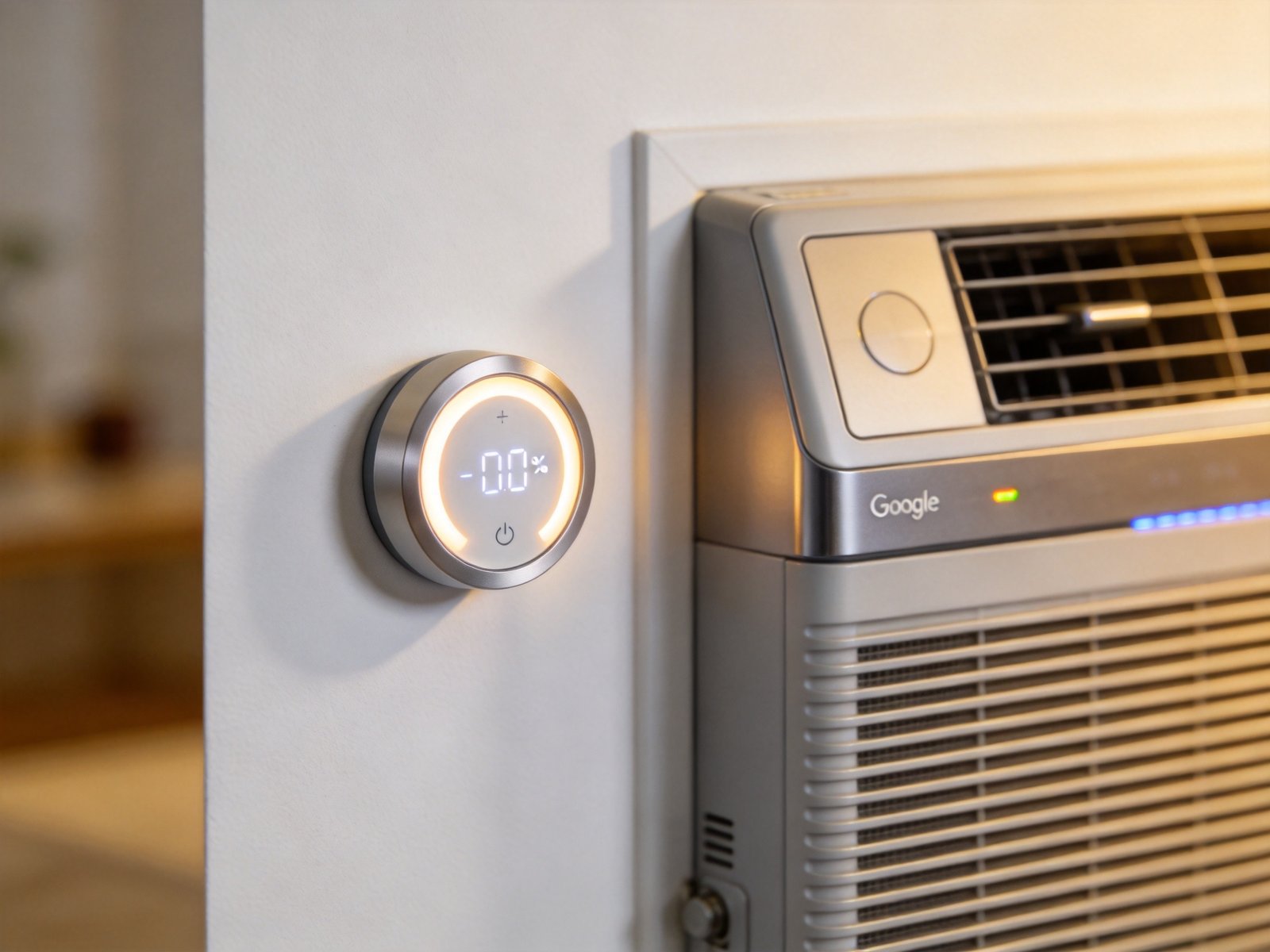
The Google Nest Learning Thermostat 4th Gen represents the culmination of over a decade of refinement, delivering the most polished learning experience in the category. Building on the success of previous generations, this latest iteration introduces several meaningful improvements that solidify its position as the premier choice for Google ecosystem users.
The most striking visual change is the 60% larger borderless display, which uses a crystal acrylic lens for improved readability from across the room. The Dynamic Farsight feature automatically shows relevant information—time, weather, temperature—based on your viewing angle, making it useful even from several feet away. The display brightness automatically adjusts to ambient lighting conditions, ensuring visibility without being distracting in dimly lit spaces.
Where the Nest truly excels is in its learning capabilities. After observing your manual adjustments for approximately one week, the thermostat begins suggesting schedule modifications to optimize energy savings. These suggestions appear as notifications in the Google Home app, where you can review and accept them with a single tap. The system learns how your home responds to heating and cooling cycles, accounting for factors like direct sunlight exposure, thermal mass, and outdoor temperature fluctuations to deliver precise comfort at the right times.
The 4th Gen includes Matter and Thread support, ensuring compatibility with the latest smart home protocols and expanding integration options beyond traditional Google Home. It works seamlessly with Google Assistant for voice control, and Alexa compatibility allows for households with mixed voice assistant preferences. A bundled Nest Temperature Sensor extends control beyond the thermostat location, though notably, the sensor cannot average temperatures across multiple rooms like some competitors.
Installation typically takes 40 minutes or less following the step-by-step guidance in the Google Home app. The optional Nest Power Connector ($25) addresses homes lacking C-wire wiring, eliminating what was traditionally a significant installation barrier. Energy savings average 12% on heating and 15% on cooling according to Nest documented testing, translating to approximately $103 annually in typical mixed-climate households.
ecobee Smart Thermostat Premium
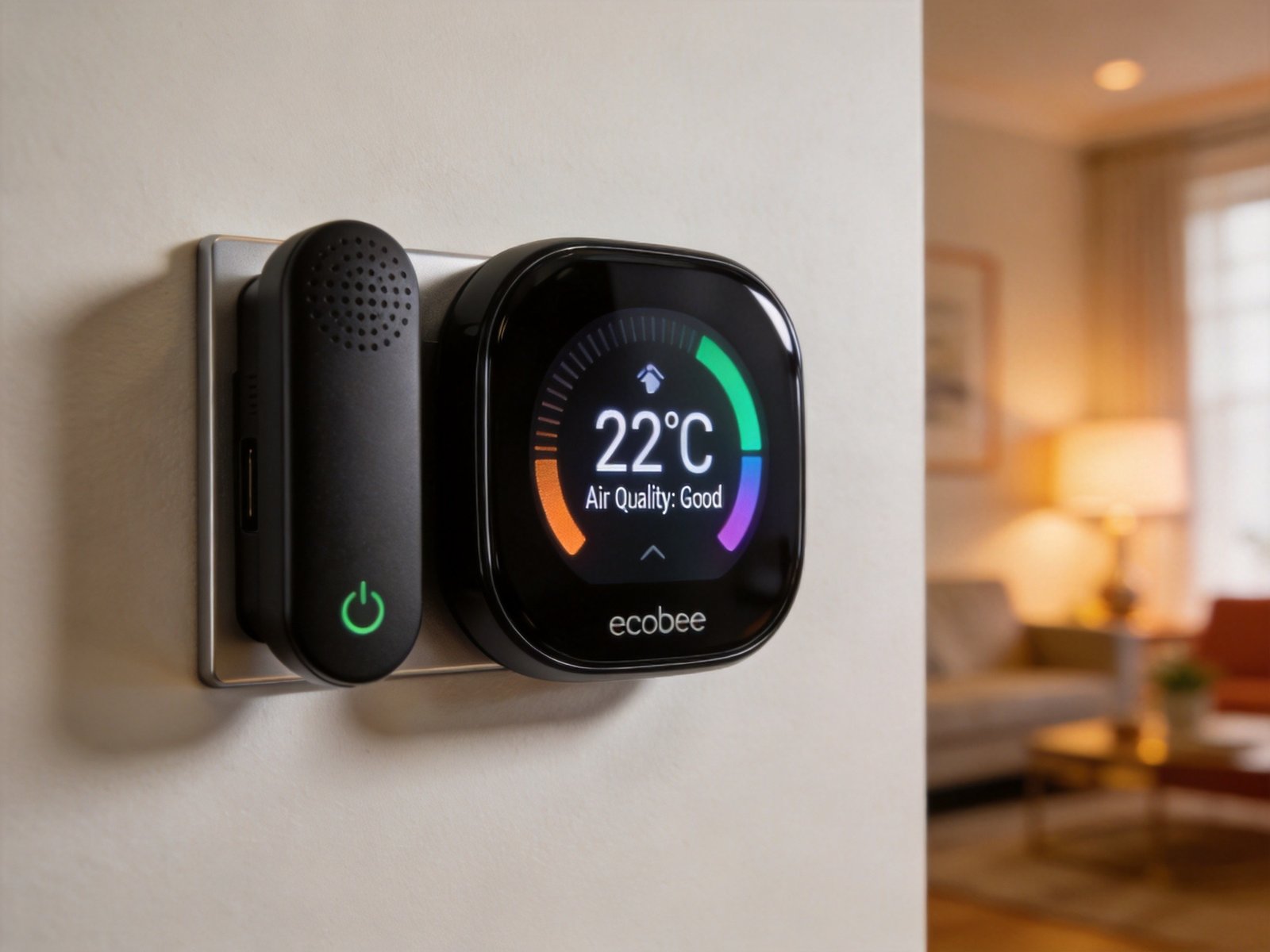
For homeowners seeking the most comprehensive smart thermostat available, the ecobee Smart Thermostat Premium delivers an unmatched feature set that justifies its premium pricing. PCMag and Wirecutter consistently rank it among the best smart thermostats available, with particular praise for its cross-platform compatibility and built-in voice assistant capabilities.
The Premium distinguishes itself through broad ecosystem support, working natively with Amazon Alexa, Google Assistant, Apple HomeKit, Samsung SmartThings, and IFTTT. This multi-platform approach means you are not locked into a single ecosystem—if you switch smart home platforms in the future, your thermostat remains fully functional. For households with mixed smart home devices from different manufacturers, this flexibility proves invaluable.
A standout feature is the built-in Alexa speaker functionality, eliminating the need for a separate Echo device in hallways or common areas. You can ask Alexa to adjust the temperature, play music through Spotify Connect, make intercom announcements to other rooms, or control other smart home devices—all from your thermostat. For Apple users, Siri integration requires an Apple Home hub (HomePod or HomePod mini), but delivers equivalent hands-free voice control.
The included SmartSensor extends comfort to the rooms that matter most. The sensor detects both temperature and occupancy, allowing the thermostat to prioritize conditioning in occupied spaces. If you are spending the evening in the living room, the Premium automatically focuses heating or cooling there rather than maintaining perfect conditions in empty bedrooms.
Air quality monitoring represents another unique capability, with the Premium continuously tracking total volatile organic compounds (TVOCs) and providing alerts when ventilation might be beneficial. While not a replacement for dedicated air quality monitors, this integrated feature adds home health awareness that competitors lack. Filter change reminders and HVAC system health monitoring provide proactive maintenance alerts that can prevent costly repairs.
Energy savings reach up to 26% annually compared to constant temperature hold patterns, with the Eco+ software continuously optimizing based on occupancy, weather, and time-of-use pricing. Wirecutter testing in a 1500-square-foot home found the Premium delivered superior comfort compared to all other tested thermostats, largely due to humidity-aware adjustments that account for feels like temperatures rather than just dry-bulb readings.
ecobee Smart Thermostat Essential
The ecobee Smart Thermostat Essential offers a compelling entry point into the ecobee ecosystem, delivering approximately 90% of the Premium functionality at a significantly lower price point. TechGearLab testing awarded it high marks for ease of use, with its straightforward interface making temperature adjustments and schedule modifications accessible to users of all technical comfort levels.
Core capabilities remain robust: full ecosystem support across Alexa, Google Assistant, HomeKit, and SmartThings; the same Eco+ energy optimization software; humidity-aware comfort adjustments; and compatibility with ecobee SmartSensor lineup for room-by-room control. What you sacrifice at this price point includes the built-in Alexa speaker, air quality monitoring, and the premium metal construction—replaced by white plastic that remains functional if less visually striking.
For most households, the Essential delivers everything needed for effective smart temperature management. The touchscreen interface is responsive and intuitive, and the ecobee app provides comprehensive control with clear energy usage reports. Optional SmartSensors (sold separately, approximately $79 for a two-pack) extend the Essential capabilities to match the Premium room-aware functionality, allowing gradual system expansion based on budget and needs.
The Essential has achieved remarkable market success, ranking #3 in Amazon Home Programmable Thermostats category with over 1,400 customer reviews averaging 4.3 stars. At its current price point, it represents exceptional value for homeowners seeking quality smart thermostat functionality without premium pricing.
Honeywell Home T9 WiFi Smart Thermostat
Honeywell 130+ years of HVAC expertise shine through in the Home T9, a thermostat that prioritizes reliability and proven technology over flashy features. The T9 excels in multi-room comfort management, with Smart Room Sensors capable of detecting occupancy and automatically focusing conditioning where it is needed most.
Sensor range is a particular strength, with Honeywell proprietary technology maintaining reliable communication up to 200 feet from the thermostat—significantly further than competing systems. This makes the T9 ideal for larger homes where sensors need to reach distant bedrooms or basement spaces. The sensors use advanced motion detection algorithms to distinguish between someone passing through a room and someone spending time there, avoiding unnecessary comfort adjustments during brief transits.
The Resideo app provides comprehensive control with monthly energy reports, temperature alerts, and filter change reminders. Geofencing through the app automatically adjusts temperatures based on whether you are approaching or leaving home, ensuring comfort upon arrival without wasting energy while you are away. The T9 supports Apple HomeKit, Google Assistant, and Amazon Alexa for voice control and broader smart home integration.
Installation is straightforward with guided setup in the Resideo app, and an included power adapter addresses homes lacking C-wire infrastructure. ENERGY STAR certification ensures baseline energy efficiency, and integration with utility efficiency programs can unlock additional rebates in participating areas.
Amazon Smart Thermostat
For budget-conscious homeowners or those new to smart home technology, the Amazon Smart Thermostat delivers essential smart temperature control at an unbeatable price point. Priced at approximately $60, it undercuts most competitors while incorporating Honeywell Home technology—the same reliability trusted in commercial and residential HVAC systems for over a century.
ENERGY STAR certification guarantees energy efficiency meeting EPA standards, with the company estimating average annual savings of $50 on utility bills. The Alexa app provides guided installation instructions, ensuring even first-time DIYers can complete setup without professional help. Once configured, Alexa can automatically adjust temperatures based on your routines, or you can control settings through voice commands using any Alexa-enabled device.
Thermostat Hunches, an Alexa feature, automatically detects when everyone has left home or fallen asleep, adjusting temperatures for energy savings without requiring explicit commands. The app provides energy dashboards showing usage patterns and potential optimization opportunities. Integration with Ring doorbells and cameras enables temperature adjustments based on who is actually at home, adding intelligence to occupancy-based scheduling.
While the Amazon Smart Thermostat lacks room sensors, support for Echo devices as temperature sensors provides an alternative for multi-room awareness—though with less sophisticated occupancy detection than dedicated sensors. The simple three-button interface (temperature up, temperature down, mode) ensures straightforward operation without the learning curve of more complex thermostats.
Choosing the Right Smart Thermostat for Your Home
Selecting the ideal smart thermostat depends on several factors specific to your home and smart home setup. If you are already invested in the Google ecosystem with Google Home devices and Assistant, the Nest Learning Thermostat 4th Gen offers the deepest integration and most refined Google-native experience. Its learning algorithms reduce the need for manual schedule creation, and the attractive display serves as a functional wall clock when not actively displaying temperature information.
For Apple HomeKit households or those seeking maximum cross-platform flexibility, the ecobee Smart Thermostat Premium comprehensive ecosystem support proves invaluable. The built-in Alexa speaker delivers functionality that would otherwise require a separate smart speaker, and air quality monitoring adds home health awareness that competitors lack. If budget constraints limit your initial investment, the Essential provides an accessible entry point that grows with your needs through optional SmartSensor additions.
Homes with complex HVAC systems or those prioritizing multi-room comfort should consider the Honeywell T9 for its superior sensor range and occupancy detection. Larger properties benefit particularly from the 200-foot sensor reach, while the straightforward Resideo app appeals to users who want reliable functionality without feature complexity.
Those new to smart home technology or seeking to minimize upfront costs will find the Amazon Smart Thermostat delivers meaningful smart functionality at the lowest price point. Integration with Alexa provides voice control, and the Honeywell heritage ensures reliable operation backed by extensive customer support infrastructure.
Installation and Setup Considerations
Before purchasing any smart thermostat, verify compatibility with your HVAC system. Most smart thermostats support conventional forced-air systems (gas, oil, electric), heat pumps, and boilers operating at 24VAC. High-voltage systems like electric baseboard heaters typically require specialized thermostats and are not compatible with standard smart models.
C-wire (common wire) availability represents the most common installation hurdle. This wire provides continuous 24V power to the thermostat, required by most smart thermostats for consistent operation. Many homes built in the past 20 years include C-wires, but older homes may require either professional installation with new wiring or the use of power adapter accessories that most manufacturers now include or offer separately.
Most smart thermostat installations take 30-45 minutes for DIY installation, guided by companion apps that walk through wiring identification, mounting, and initial configuration. Professional installation remains available through manufacturer partnerships or local HVAC contractors if preferred—particularly valuable if your existing wiring is non-standard or if you are uncomfortable working with electrical connections.
Maximizing Your Smart Thermostat Investment
Beyond basic temperature scheduling, today smart thermostats offer features that compound energy savings over time. Enabling auto-away mode ensures temperatures adjust whenever everyone leaves, without requiring manual changes. Geofencing provides automatic detection based on smartphone location, while occupancy sensors (available through room sensors on ecobee and Honeywell models) add precision to this automation.
Regularly reviewing energy reports identifies patterns and opportunities for further optimization. Many users discover their HVAC was running more than necessary during shoulder seasons or that certain schedule adjustments yield greater savings than expected. Smart thermostats with time-of-use support automatically shift heating and cooling to cheaper off-peak hours when utility rates permit.
Maintenance alerts ensure your HVAC system operates efficiently. Filter change reminders prevent the airflow restrictions that increase energy consumption and strain equipment. System health monitoring can detect potential issues before they become expensive repairs, with some thermostats even monitoring for conditions that might indicate frozen pipes during winter absences.
Conclusion
The smart thermostat market in 2026 offers options for every preference and budget, from the premium ecobee Smart Thermostat Premium with its comprehensive feature set to the accessible Amazon Smart Thermostat that delivers essential smart functionality at an entry-level price. Google Nest latest iteration refines its learning algorithms and expands ecosystem support, while Honeywell brings over a century of HVAC expertise to its connected thermostat lineup.
Whichever model you choose, the investment typically pays for itself within two years through energy savings alone—before accounting for the comfort improvements, convenience enhancements, and home health monitoring that smart thermostats provide. As utility companies expand rebate programs and time-of-use pricing becomes more widespread, the financial case for smart thermostat adoption continues to strengthen.
Take advantage of available rebates in your area, verify HVAC compatibility before purchasing, and consider your broader smart home ecosystem when making your selection. The right smart thermostat becomes a foundational element of an integrated, efficient, and comfortable home—delivering value daily for years to come.