The smart speaker market has matured dramatically, evolving from simple voice-activated gadgets into sophisticated home hubs capable of managing your entire connected life. In 2026, choosing the right smart speaker or display means understanding not just audio quality or voice assistant capabilities, but how well each device integrates with your existing ecosystem and daily routines. Whether you are upgrading from an older model or building your first smart home setup, the current generation of devices offers unprecedented value and functionality that was unimaginable just a few years ago.
Understanding the Smart Speaker Ecosystem
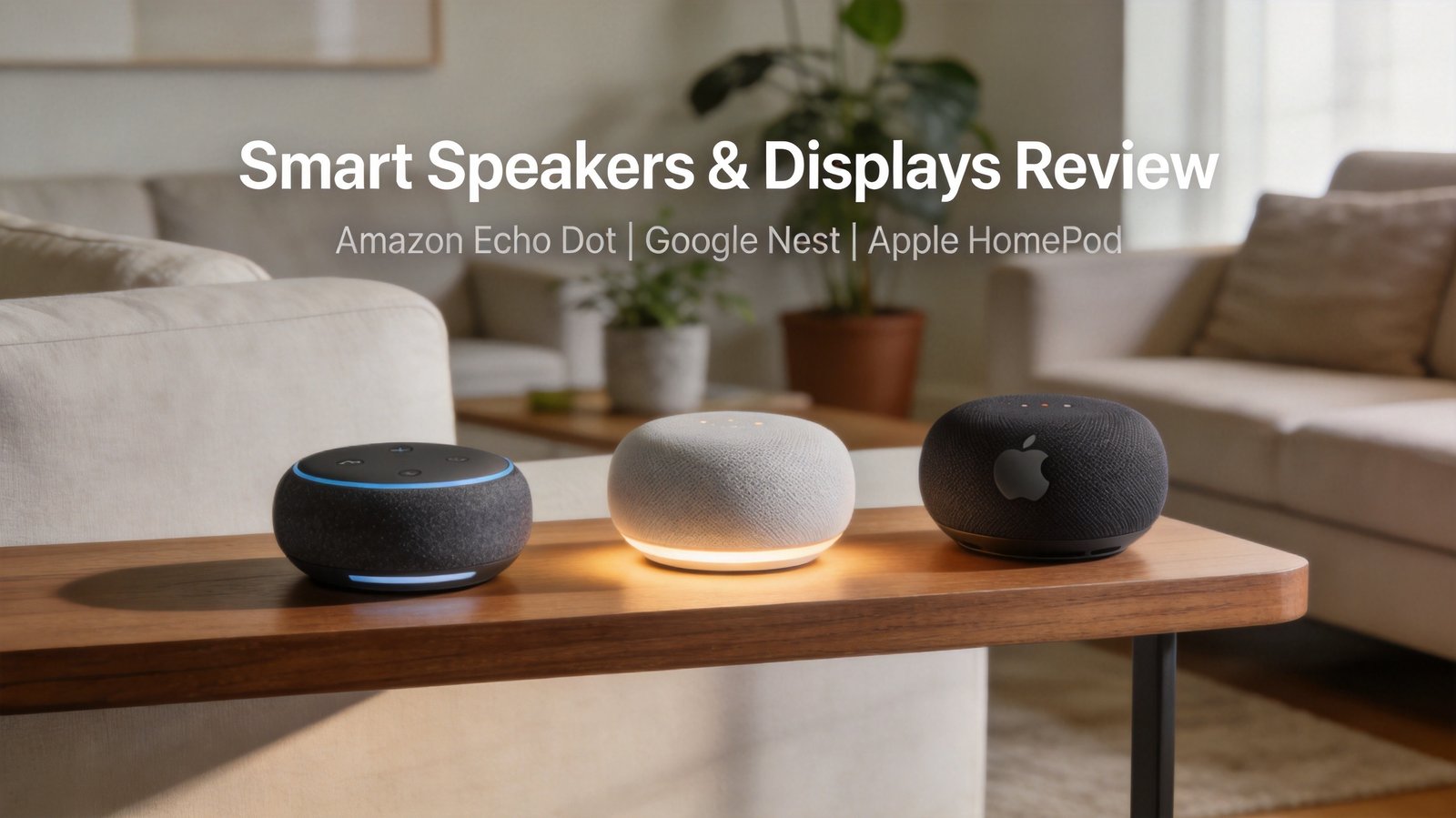
Before diving into specific recommendations, it is essential to understand that smart speakers are fundamentally tied to their respective ecosystems. Amazon Alexa excels in smart home versatility and third-party integrations, Google Assistant leads in conversational AI and information retrieval, while Apple HomePod prioritizes audio excellence and seamless integration within the Apple ecosystem. Your choice should primarily depend on which smartphone platform you use daily, as this will determine the smoothest experience for routines, music, and smart home control.
The good news is that all three major platforms have converged on common smart home standards like Matter and Thread, making cross-platform compatibility easier than ever. However, the voice assistant nuances, unique features, and ecosystem lock-in still make a meaningful difference in daily usage. Understanding these differences will help you make an informed decision that serves your household for years to come.
Amazon Echo Dot: The Perfect Entry Point
If you are new to smart speakers or working with a limited budget, the Amazon Echo Dot remains the gold standard for affordable smart home entry. Despite its compact spherical design, this device delivers surprisingly vibrant sound with improved bass response compared to previous generations. The built-in temperature sensor and motion detection capabilities enable intelligent routines that trigger based on environmental changes, making your home genuinely responsive to your presence.
The Echo Dot serves as an excellent foundation for building a comprehensive smart home. It natively supports Matter, Thread, and Zigbee protocols, meaning you can control hundreds of smart devices from different manufacturers without purchasing separate hubs. Whether you want to start with smart bulbs in the bedroom or expand to smart locks and thermostats, the Echo Dot scales effortlessly with your growing needs. The Eero built-in WiFi extender feature is a welcome bonus for those struggling with dead zones in their home network.
Privacy-conscious users will appreciate the dedicated microphone off button and the ability to review and delete voice recordings through the Alexa app. Amazon has made significant strides in addressing privacy concerns, and the Echo Dot includes multiple layers of protection against unauthorized access. For families with children, the Echo Dot integrates seamlessly with Amazon Kids, providing age-appropriate content and parental controls that give parents peace of mind.
Amazon Echo Show 8: The Ideal Smart Display
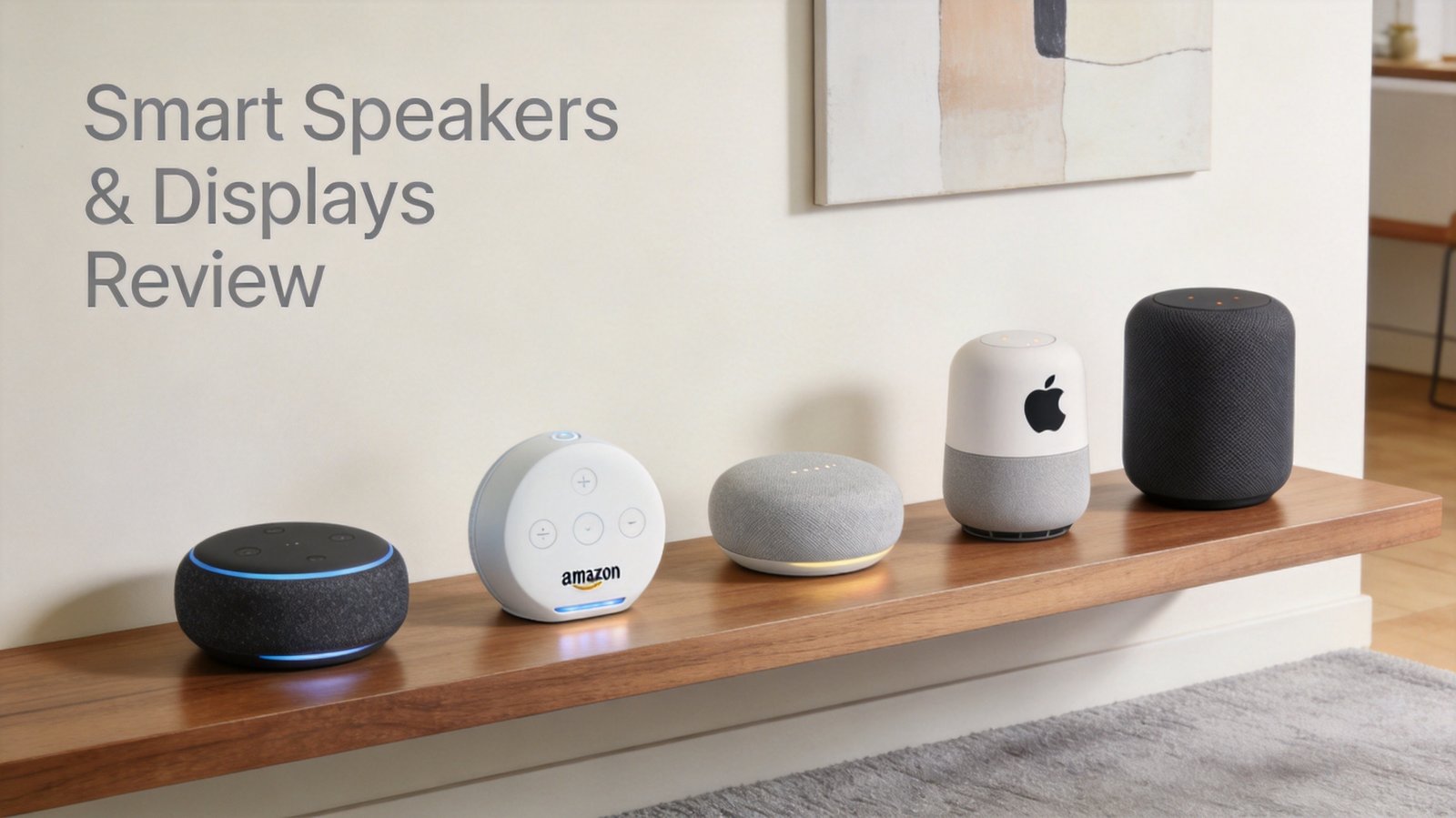
For those who prefer visual feedback alongside voice commands, the Amazon Echo Show 8 strikes the perfect balance between screen real estate and countertop footprint. Its 8.7-inch HD touchscreen delivers vibrant visuals while the spatial audio system provides room-filling sound that rivals dedicated speakers in its price range. The centered 13MP camera with auto-framing technology makes video calls feel natural and professional, whether you are connecting with family across the country or conducting work meetings from your home office.
The built-in smart home hub eliminates the need for separate bridge devices, supporting thousands of compatible products out of the box. The adaptive content feature automatically adjusts brightness and color temperature based on ambient lighting, ensuring comfortable viewing throughout the day. For kitchen use, the recipe integration and hands-free video calling capabilities prove invaluable during cooking sessions, allowing you to follow along with tutorials without touching the screen with flour-covered hands.
One of the most impressive features of the Echo Show 8 is its proximity-based routines. Using Omnisense technology, the device can detect when you enter a room and automatically trigger personalized greetings, display your calendar, or start playing your favorite morning playlist. This level of contextual awareness transforms the smart display from a passive speaker into an active assistant that anticipates your needs throughout the day.
Amazon Echo Show 15: The Ultimate Kitchen Hub
Amazon has positioned the Echo Show 15 (2nd Gen) as the centerpiece of modern smart kitchens. This 15.6-inch Full HD display transforms wall-mounted spaces into interactive family command centers. The built-in Fire TV functionality turns it into a capable streaming display when not serving as a digital whiteboard for family calendars, notes, and to-do lists. The combination of Alexa+ capabilities with Fire TV integration makes this the most versatile smart display Amazon has ever produced.
Visual ID recognition allows each family member to receive personalized greetings, calendar appointments, and reminders simply by approaching the device. The AZ3 processor ensures responsive performance even when running multiple widgets simultaneously, from security camera feeds to weather displays to music controls. The picture-in-picture feature is particularly useful for monitoring your front door camera while following a recipe or watching a show.
For households managing busy schedules, the ability to view multiple security cameras, check weather conditions, and stream cooking tutorials all from a single wall-mounted display makes the Echo Show 15 an indispensable kitchen companion. The enhanced WiFi 6E support ensures smooth streaming and responsive voice commands even in homes with many connected devices competing for bandwidth.
Apple HomePod 2nd Generation: Premium Audio Excellence
Apple enthusiasts seeking the best possible audio quality will find the Apple HomePod 2nd Generation delivers an unmatched listening experience in its category. The computational audio technology analyzes room acoustics in real-time, automatically adjusting the seven-beamforming tweeters and high-excursion woofer to optimize sound for your specific environment. This automatic room correction ensures that whether you place the HomePod in a cramped bookshelf or a spacious living room, you get consistent, premium audio quality.
The deep bass extension and wide soundstage justify the premium pricing for music enthusiasts. Spatial Audio with Dolby Atmos support transforms compatible tracks into immersive experiences that fill large rooms effortlessly. The seamless handoff from iPhone to HomePod exemplifies Apple’s ecosystem integration philosophy, maintaining listening sessions without interruption as you move between devices. Simply bring your iPhone near the HomePod and your music gracefully transfers to continue playing.
For smart home enthusiasts, the HomePod now serves as a Thread border router and Matter controller, bringing it closer feature parity with Amazon and Google offerings. The Siri voice assistant has improved significantly, handling complex multi-step routines and home automation sequences that rival the competition. While the HomePod still works best within the Apple ecosystem, Apple has opened doors to broader smart home compatibility that will only expand over time.
Google Nest Audio: The Information Powerhouse
For users deeply invested in the Google ecosystem, the Google Nest Audio offers the most natural conversational experience among smart speakers. The device excels at handling complex queries and multi-step routines, leveraging Google’s search infrastructure to provide accurate, contextual responses that feel genuinely helpful rather than scripted. Whether you need to know the score of last night’s game, translate a phrase, or get step-by-step directions, the Nest Audio delivers with remarkable accuracy.
The 75mm woofer and 19mm tweeter combination produces surprisingly rich sound that competes favorably with speakers at twice the price. Media Quest integration enables seamless streaming from Spotify, YouTube Music, and other services without manual pairing each time. The integration with Google Home routines allows sophisticated automations that combine smart home control with calendar events, location triggers, and custom time-based schedules that adapt to your habits over time.
Privacy controls on the Nest Audio are straightforward, with a physical switch to disconnect the microphones and clear indicators when the device is actively listening. The Google Home app provides detailed controls over what data is collected and how it is used, addressing concerns that privacy-conscious users may have about always-listening devices.
Making Your Selection: Key Considerations
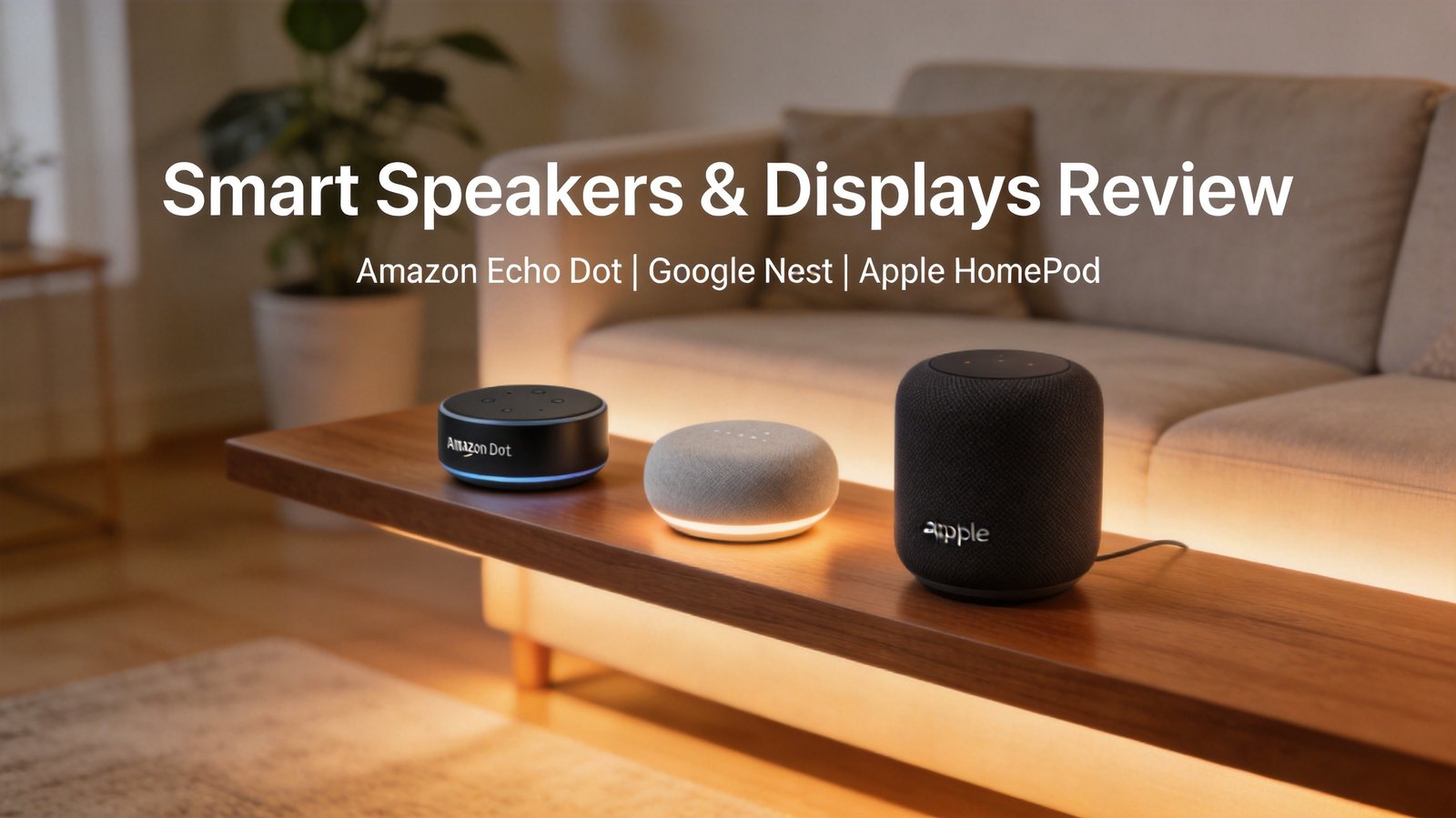
When evaluating smart speakers and displays, consider these critical factors that will impact your daily experience. Your smartphone platform should be the primary driver of your decision, as deep ecosystem integration provides the most seamless experience for setting up routines, transferring calls, and controlling music. iPhone users will get the most from HomePod, Android users from Nest devices, while Alexa offers the most platform-agnostic experience that works equally well regardless of your phone choice.
For kitchen-focused households, prioritize displays with good viewing angles and hands-free capabilities. The Echo Show 8 or Echo Show 15 excel in this environment, with recipe apps, video calls, and streaming capabilities that transform cooking time from a chore into an entertainment experience. Consider how much counter space you have available, as the larger Echo Show 15 requires wall mounting or significant surface area.
Audio quality matters most for primary listening spaces where you will regularly stream music or podcasts. The HomePod delivers the best fidelity for Apple households, while the Echo Dot with its newer drivers provides surprisingly capable sound for background listening. For serious audiophiles, consider pairing multiple speakers for stereo sound, which is supported across all major platforms.
Smart home complexity should influence your hub selection. Users with extensive Matter or Zigbee device collections should prioritize speakers with built-in hub capabilities like the Echo Show 8, which can replace separate bridge devices and simplify your setup. Budget-conscious users starting fresh can build excellent systems using Echo Dots alone, adding hubs later only if needed.
The Bottom Line
Smart speakers and displays have evolved into essential household tools that simplify daily routines, enhance entertainment experiences, and provide peace of mind through smart home integration. The Amazon Echo Dot remains the best entry point for most households, offering remarkable value without sacrificing essential features. For visual interaction, the Echo Show 8 provides the ideal balance of functionality and footprint that works equally well in bedrooms, offices, and kitchens.
Apple users willing to invest in premium audio will appreciate the HomePod’s computational audio capabilities and seamless ecosystem integration. The improved Siri performance and expanded smart home protocols make the second-generation HomePod a compelling choice for Apple households looking for the best possible listening experience. Google Nest Audio continues to excel for those who prioritize conversational AI and information retrieval over pure audio quality.
Whatever your choice, modern smart speakers deliver tangible benefits that justify their place in contemporary homes. Start with one device, experience the convenience of voice-controlled routines, and expand your collection as your smart home needs grow. The future of home automation is already here, waiting for you to speak the first command that begins transforming your house into a truly intelligent home.