Best Sheet Sets for Apartment Beds
An apartment bed is often more than a bare mattress. Many renters sleep on a mattress in a box, add a protector, and sometimes add a topper, then wash the sheets in a shared laundry room with limited dryer time. A set that looked fine in a product photo can pop off the corners, feel nothing like the marketing language, or leave you with a bare mattress when the only set is in the wash.
If you are choosing among the best sheet sets for apartment beds, measure the stack you actually sleep on, judge fabric by feel rather than a thread-count headline, keep a spare set so laundry day is not a bare-mattress day, and pick a set you can wash and dry the way a shared laundry room allows. A very deep pocket and a very shallow mattress are a mismatch. Thread-count marketing is not the whole story. This guide does not invent brand rankings, prices, or test scores.
This is not a pillow, protector, or mattress article, and it is not a laundry-schedule or comforter-washing guide. Those decisions already have homes in Best Bed Pillows for Apartment Beds, Best Mattress Protectors for Apartment Beds, Best Mattress Toppers for Apartment Beds: Comfort Without a Full Mattress Swap, and Best Mattress in a Box for Small Apartments. How often to wash the sheets, and how to wash pillows or a comforter, lives in How Often to Wash Sheets and Towels: A Practical Laundry Schedule for Small Homes, How to Wash Pillows in an Apartment Laundry Room, and How to Wash a Comforter in an Apartment Laundry Room. Here you are only choosing a set that fits the bed and the laundry room you have.
Pocket depth for a mattress plus a topper or protector
Start with a tape measure, not with the word “queen” on the package. Measure the height of the mattress, then add the protector and the topper if you use them. That combined depth is the number the fitted sheet has to clear, plus enough fabric to tuck under the corners so the sheet stays put.
A pocket that is too shallow will ride up, pop off at night, and leave the protector or the mattress exposed. A pocket that is much too deep for a shallow mattress is also a poor fit. Extra fabric will bunch, slide, and wrinkle under you, and the sheet may not feel smooth no matter how often you remake the bed. Match the labeled pocket depth to the stack you have, rather than buying the deepest pocket available “just in case.”
If you do not yet have a topper but think you might add one, measure again before you buy the next set, or choose a pocket that can handle the stack you are likely to end up with, not a guess. The topper and protector guides linked above are for choosing those layers. The sheet question is only whether the fitted piece can wrap them.
Confirm the bed size at the same time. A full sheet on a queen mattress, or the reverse, will not be saved by a deep pocket. Mattress-in-a-box sizes are usually standard, but it still pays to check the label on the mattress you own rather than assuming.
If the fitted sheet has weak or shallow elastic, even a correctly labeled pocket can creep up on a taller stack. Remake the bed after the first wash and check the corners in the morning. A set that will not stay tucked after one night is not a good apartment fit, no matter how the fabric feels on the shelf. Corner straps can help on a thicker stack, but they do not fix a pocket that is simply too small.

Fabric feel versus marketing language
Thread count is a number, not a guarantee of softness or durability. A high count on a coarse yarn, or a finish that looks crisp in a photograph, can feel rough or stiff in person. A mid-range cotton that feels good in the hand can sleep better than a set that advertises a much higher count. Judge the fabric, not the headline.
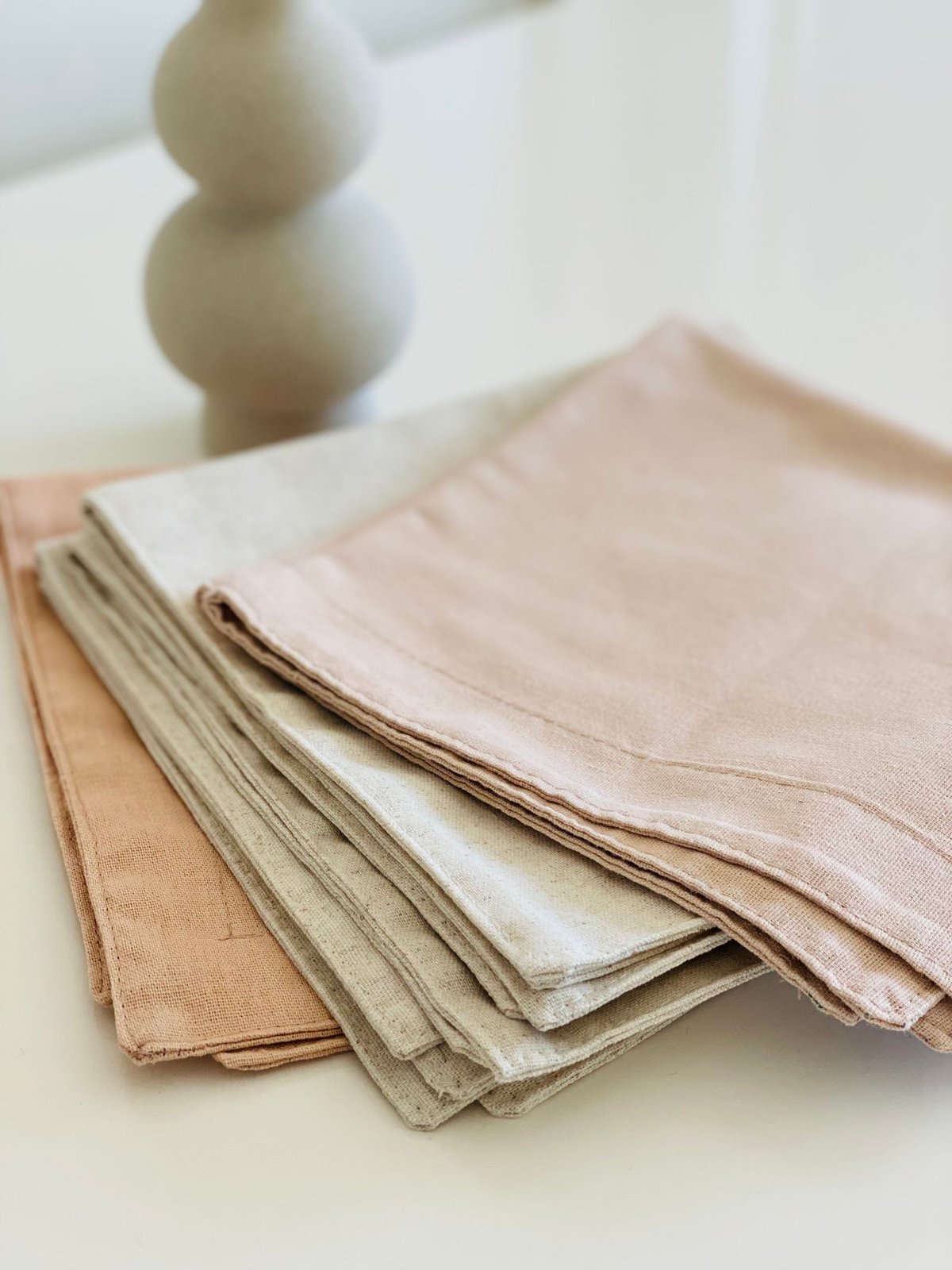
In plain language, the common options are familiar. Cotton is a standard everyday choice and comes in different weaves: a crisper, more matte feel in one case, a smoother, slightly glossier feel in another. A cotton blend can wrinkle less and dry faster, which some apartment laundry rooms reward. Linen starts more textured and softens with washing, and it often comes out of a dryer with a lived-in look rather than a hotel crease. A knit or jersey set can feel like a T-shirt and is often easy to live with, though it can stretch if the fitted corners are already a tight match. Microfiber is typically smooth, light, and quick to dry; whether you like that feel is personal. None of these is a medical claim, and none of them is a ranked winner.
If you can touch the fabric, do that. If you cannot, use any return option the seller actually offers, rather than assuming a number on the package will match your skin. Color and pattern are personal, and they do not fix a pocket that does not fit. A lighter set can look calm on an apartment bed; it will also show wear and makeup more clearly, which is a trade, not a quality score.
Wash the set once before you decide you dislike it, if the care label allows, because some finishes soften after the first laundry day. That first wash is also your test of whether the fitted sheet still fits the corners after it has been through a machine.
Heat in a small bedroom can also change how a fabric sleeps. A set that feels fine in a shop may feel warmer at home, especially in a studio where the bed sits in the main room. That is a preference, not a defect, and it is worth noticing before you buy another set in the same fabric.

A spare set, and wash-and-dry practicality in a shared laundry room
Two sets is the practical apartment minimum: one on the bed, and one clean or in the wash. If you only own one set, laundry day becomes a bare-mattress day, or you are tempted to delay washing past a schedule that already makes sense for your home. How often to wash the sheets is the schedule guide linked above. The buying question is whether you have a spare so that schedule is possible.
A set should include a fitted sheet, a flat sheet if you use one, and pillowcases that match the pillows you already own. If you use extra pillows, you may need extra cases rather than a second full set. The pillow guide linked above is for the pillows themselves.
Shared laundry rooms favor a set that can go in a standard washer and dryer on the cycle the care label allows. A dry-clean-only sheet is a poor everyday fit for most rentals. Follow the label on temperature and drying, and do not overdry on a high shared-dryer setting just to free the machine; high heat is how some fitted sheets shrink off the corners they used to fit. If a fabric comes out of a hot dryer as a stiff, wrinkled board and you do not iron, be honest about whether you will still like it midweek.
The spare set needs a small home when it is not on the bed: a shelf, a folded stack in a closet, or a bag on a high shelf. You do not need a full linen program. Keep the spare complete, so you are not hunting one pillowcase on the evening you strip the bed. When you take the dirty set to the laundry room, you should be able to remake the bed the same day.
If the building’s machines are busy, a spare set also buys you time. You can strip the bed when it needs washing and still sleep on a made bed that night, then take the dirty set down when a machine is free.
Wash sheets separately from a comforter or from pillows when those items need their own method and their own space in the machine. Those loads are already covered in the comforter and pillow guides linked above. The sheet set should be an ordinary, repeatable load, not a special project every time.
A buying checklist for apartment sheet sets
Use this before you buy, and again after the first wash:
- I have measured the mattress plus the protector and topper I actually use, and the fitted-sheet pocket can tuck under that stack without being so deep that it bunches on a shallow bed.
- The set is the correct bed size, not only a deep-pocket label on the wrong width and length.
- I am judging fabric by feel and by how I like to sleep, not by a thread-count headline or a made-up ranking.
- I have a spare set, or I am buying a second one, so laundry day is not a bare-mattress day.
- The care label is something I can follow in a shared washer and dryer, without dry cleaning or a high-heat cycle that will shrink the fitted corners.
How to choose—and how to apply it
The calm way to choose among the best sheet sets for apartment beds is to fit the bed you have and the laundry room you use. Measure the mattress plus any topper or protector, and match the pocket depth honestly — too shallow pops off, and too deep on a thin mattress bunches. Trust the feel of the fabric more than a thread-count claim. Keep a spare set so you can wash on a normal schedule without leaving the bed stripped. Pick a set that can go through a shared washer and dryer the way the label describes. You need sheets that stay on the corners and come home from the laundry room ready to use, not a marketing number on a package.
FAQ
What is the best sheet set for apartment beds?
The best fit is a set with a pocket that matches your mattress plus any protector or topper, in a fabric you like in the hand, with a spare so laundry day is not a bare-mattress day, and with care instructions you can follow in a shared laundry room. This guide does not invent brand rankings, prices, or test scores.
How deep should the pocket be?
Deep enough to tuck under the full stack you sleep on, and not so deep that extra fabric slides around on a shallow mattress. Measure the mattress, the protector, and the topper, then read the pocket depth on the label. A very deep pocket and a very shallow mattress are a mismatch.
Does a higher thread count mean better sheets?
No. Thread-count marketing is not the whole story. A high number can still feel rough, and a simpler cotton or blend that feels good can sleep better. Judge the fabric, and wash the set once if you can before you decide.
How many sheet sets do I need in an apartment?
Two is the practical minimum: one on the bed and one clean or in the wash. One set turns laundry day into a bare mattress, or it tempts you to delay washing. Extra pillowcases can help if you use more pillows than the set includes.
What should I look for if I use a shared laundry room?
Choose a set the care label allows you to machine-wash and dry on a normal or gentle cycle. Avoid everyday sheets that require dry cleaning. Do not overdry on high heat, which can shrink fitted corners, and keep a spare set so you can remake the bed the same day.