Storage & Organization

  • How to Store Winter Boots and Wet Shoes in a Small Apartment

    Learning how to store winter boots and wet shoes in a small apartment is less about a furniture catalog and more about giving wet, salty pairs a home that protects the floor. This guide lays out a practical wet-weather entry plan for late November city weather: a waterproof tray or mat, a way to drip-dry without blocking the door, a habit of wiping salt before it sets, and a simple rotation when you can keep two pairs in use. You will also see how to keep a low rack or hook from becoming a pile, and how dry storage connects to the rest of a tight entry without turning the hallway into a mudroom renovation. The standard of good enough is straightforward: wet boots have a place, the floor stays cleaner, and you can still get in and out. Wet sneakers can share the same tray. No product rankings or remodel plans, just a calm system you can keep.

  • How to Store Gift Wrap, Bags, and Cards in a Small Apartment

    Gift wrapping supplies need a simple, organized, and accessible home even when there is no craft room or spare closet. This guide explains how to store wrapping paper rolls upright or flat, nest reusable bags by size, protect tissue from crushing, and keep greeting cards in a shallow box. It also shows how to assemble a small ready to wrap kit with tape, scissors, tags, and a little ribbon, so one present does not require unpacking the whole collection. Compare an under bed container, a slim closet bin, and an over door organizer using the measurements and access you actually have. You will find practical limits for saving scraps, separating unused cards from sentimental ones, and returning supplies after a busy wrapping session. The aim is not a showroom storage system. It is a compact stash you can open, use, and put away without creasing the paper, tangling the ribbon, or losing the tape again.

  • How to Organize Jewelry, Watches, and Accessories in a Small Bedroom

    In a small bedroom, earrings, necklaces, watches, and belts often colonize the nightstand or tangle in a dresser cup. This guide on how to organize jewelry, watches, and accessories in a small bedroom is a small-space plan for everyday pieces — not a dresser-organization system, not a closet overhaul, and not a buying guide for nightstands. You will learn how a small tray or dish can hold what you wear most, how to hang necklaces so they do not knot, and when a travel pouch or a compact box in a shallow drawer is enough. It also covers renter-friendly hooks for belts or long chains, and why daily pieces should stay visible while the rest is parked. Good enough is finding this morning’s earrings without a hunt, not a boutique display. You do not need a jewelry armoire. You need one clear home for what you use and a quieter place for what you do not.

  • How to Store Extra Bedding and Blankets in a Small Apartment

    Spare guest pillows, a backup duvet, throws, and off-season blankets are hard to house when you have no linen closet at all, and they quickly take over a chair, a closet floor, or the bed itself. This guide on how to store extra bedding and blankets in a small apartment is a practical home for those extras — not a towel-storage article, not a linen-closet organizing article, and not a general under-bed storage system. You will learn where spare bedding can actually live: an under-bed bag, a high closet shelf, a vacuum bag if your vacuum works with it, a trunk or storage ottoman, or one clearly labeled bin so guest bedding is easy to find. It also covers why pillows should not be crushed flat forever, and why you should not assume a basement you do not have. Good enough is simple: you can find a clean spare set without unpacking the whole closet.

  • How to Store Umbrellas and Wet Rain Gear in a Small Apartment Entry

    Wet umbrellas, rain jackets, and boots can leave a puddle by the door of a small apartment, or worse, track water down a shared hallway. This guide on how to store umbrellas and wet rain gear in a small apartment entry is a catch-and-dry plan for incoming weather gear — not a general entryway makeover, and not a laundry-drying system for wash day. You will learn how to give wet items one home by the door or in a tight hallway, how a tray, hook, or simple stand can keep drips off the floor, and how to leave enough airflow so jackets and umbrellas dry between uses. The routine also covers shared-hall courtesy, what to do if you have no official entry, and when dry accessories can move to their usual storage. The aim is a small, repeatable setup: wet gear has a place that dries, and the floor stays walkable, without a perfect drip stand you must buy.

  • How to Store Towels in a Small Apartment Without a Linen Closet

    Many small apartments have no linen closet at all, so bath towels, hand towels, and extras have to live on a hook, a bar, a basket, a shelf, or a single bedroom-closet shelf. This guide on how to store towels in a small apartment without a linen closet is about where those towels actually go — without turning the bathroom into a textile shop. You will learn how to keep a hook or bar from overflowing, how to use one lidded basket or a short shelf, and how to borrow one shelf in a bedroom closet for the clean stack. It also covers how many towels a small home really needs, how to separate clean, used, and gym or beach towels, and how to keep a tight stack from going stale. The aim is a simple storage plan you can keep up each week, not a closet renovation and not a review of bathroom cabinets.

  • How to Store Extra Toilet Paper, Paper Towels, and Toiletries in a Small Apartment

    A small apartment can still hold a modest backup of paper goods, soap, and everyday toiletries when there is no bulk closet and the bathroom is already full. This guide on how to store extra toilet paper paper towels and toiletries in a small apartment is a practical plan for that refill stock, not a vanity, medicine-cabinet, linen-closet, or under-sink organizing project. You will learn where a small refill stock can live — a closet shelf, an under-bed bin, a single cart, or a lidded hall basket — without stacking warehouse packs in the hallway or the tub. It also covers how much backup is enough versus overbuying in a tight space, how to keep packages dry and off the floor, and how to keep liquids from leaking onto the paper. The aim is a modest refill you can actually see, reach, and rotate, not a second closet of supplies you have nowhere to put.

  • How to Organize a Laundry Closet or Washer-Dryer Nook in a Small Apartment

    A laundry closet or washer-dryer nook in a small apartment has to hold the machine, the detergent, a hamper, and still close. This guide on how to organize a laundry closet or washer-dryer nook in a small apartment is a storage plan for that tiny closet, stacked alcove, or basket zone, not a weekly wash routine and not a buying guide for hampers or drying racks. You will learn how to give detergent and dryer supplies a caddy or a shelf that you can actually reach, how to add a hook or a short rod for a few hanging items, and how to pick a hamper that actually fits so the door can shut. It also covers lint, overflow, and the habit of keeping the closet from becoming a junk cupboard for tools and extras. The aim is a nook you can use as it stands, without electrical or plumbing work that could violate a lease.

  • How to Organize a Dresser in a Small Bedroom

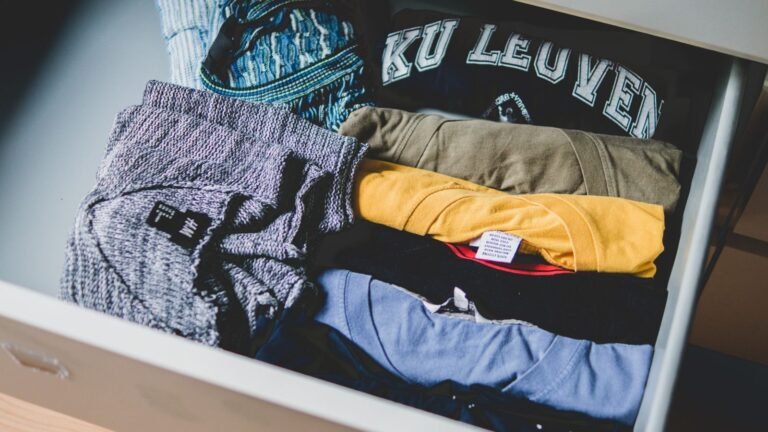
    A small bedroom dresser works better when the drawers you already have can close, and when you can see the clothes you actually wear. This guide on how to organize a dresser in a small bedroom covers what usually goes wrong: drawers stuffed until they stick, daily clothes mixed with pieces you rarely wear, and a top surface that becomes a dumping ground for mail, chargers, and yesterday’s shirt. You will learn how to file or fold so each stack stays visible, give everyday clothes the easiest drawers, move off-season items out of the main chest, and use simple dividers only where they help. It also covers leaving enough space that a drawer can open in a tight aisle, and keeping the top clear enough to use. This is a practical plan for the inside of the dresser you already own, not a guide to buying a new chest or building a full closet system.

  • How to Store Board Games and Puzzles in a Small Apartment

    Board-game boxes, loose cards, puzzle boxes, and a half-finished jigsaw can take over a small apartment when you do not have a game closet. Tall boxes refuse to stack, corners get crushed on a shared shelf, and a 1,000-piece puzzle can occupy the only table for a week. This guide to how to store board games and puzzles in a small apartment shows how to measure the shelf before you keep buying boxes, stand short boxes instead of stacking heavy ones, give loose cards and score pads a bin or a file, and pause an unfinished puzzle without leaving it on the dining table. It also covers using a coffee table, an ottoman, or a closet shelf as a practical, dedicated home for the games, cards, and puzzles you already own and play, without mixing games into books or holiday bins, and without claiming that one tiny shelf can hold an entire shop’s worth of boxes.