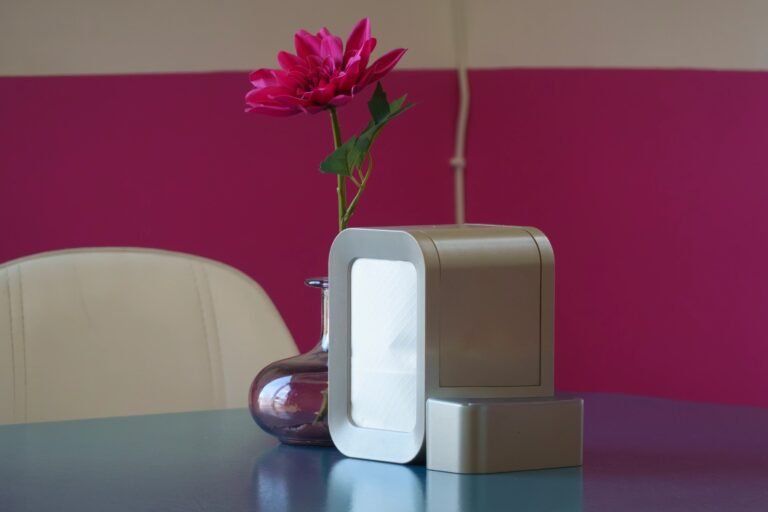
Best Robot Vacuums for Small Apartments
A robot vacuum promises that a small apartment can tidy itself while you are at a desk or out of the room. Sometimes that is true. Sometimes the machine gets stuck on a bathroom lip, announces itself through a thin wall, or parks its dock in the only outlet you had for a lamp. If you are choosing among the best robot vacuums for small apartments, start with the floor plan you have, not with a leaderboard.
This is a home guide, not a pet-product guide. Pet hair can be one feature to check if you live with an animal, but the decision still turns on floors, noise, thresholds, and whether a robot is better than—or only a partner to—a compact stick vacuum. There are no invented scores, “winner” badges, or prices in this article. Those change, and they do not know the height of your door bars.
Map the small floor plan first
Walk the apartment with a tape measure and a phone photo, the way you would before buying a sofa.
- Open floor versus cluttered floor. A studio with a clear center is easier for a robot than a room where dining chairs, plant stands, and laundry baskets sit out all day. Robots do not replace picking up cables and socks; they just make the cost of leaving those things out more obvious.
- Doorways and rooms. Note which rooms you actually want cleaned on a schedule: living area, bedroom, kitchen, hallway. A robot that cannot be kept out of a bedroom during calls, or out of a kitchen during cooking, will annoy you in a one-room home.
- Dock location. The dock needs a wall outlet, a bit of clear floor in front, and a place that is not the main traffic path. Under a console, beside a shoe cabinet in a quiet entryway, or along a clear stretch of wall can work. In front of a closet door usually does not.
- Rug edges and furniture clearance. Measure the height of sofa overhangs, bed frames, and radiator pipes. A robot that fits under the sofa will clean more of a small room; one that only circles the coffee table will leave a halo of dust you still have to do by hand.
If your furniture layout already uses every inch as a walkway, a robot may still help, but only after you give it two or three consistent “lanes” and a dock that does not sit in one of them.

Thresholds: the detail that stops more robots than floor area
Small apartments often have a raised bar between hallway and bath, a lip onto a kitchen vinyl sheet, or a thick rug on hard floor. Threshold height is a buying requirement, not a footnote.
Measure the tallest ridge the robot must climb, including bath and balcony door bars if you want those rooms included. Compare that number with the manufacturer’s published climbing or threshold figure. Treat the figure as a specification from the maker, not as an independent lab result, and leave a little margin. A robot that “almost” climbs a bar will get stuck there on a Tuesday when you are not home.
Related floor problems in rentals:
- Dark or high-contrast edges that some cliff sensors read as a drop. If your floors have strong pattern changes, check how the model handles them, or be ready to set a no-go line.
- Loose mats and fringed rugs. These are classic snag points. Fold the fringe, choose a low-profile mat, or mark the rug as off-limits.
- Shiny metal or glass thresholds and very dark flooring, which can confuse some sensors. This is a reason to test on day one, in the rooms that matter, rather than assuming a marketing clip applies.
If the bathroom lip is simply too high, it is fine to let the robot do the main rooms and keep a compact stick or a small broom for that one step-up. Forcing a machine over a ridge it cannot clear is how docks start beeping at 11 p.m.
Noise, schedules, and thin apartment walls
A robot that is fine in a detached house can feel loud in a studio, or in a building with thin floors. Look for a published sound figure in the specifications if one exists, and treat it as a comparison aid, not a promise of silence. More useful in daily life is whether you can:
- Start a run when you leave, and have it dock before you return or take a call.
- Use a quieter or “eco” mode for evenings.
- Disable or soften voice announcements if you share walls or work from the sofa.
- Set a schedule that does not start under a neighbor’s bedtime, or during your own.
Do not run a robot as a constant soundtrack. In a small home, two or three well-timed runs a week on hard floors—or a short daily pass in a busy hallway—usually beats an all-day patrol. If you work from the same room, a schedule that finishes before you sit down is worth more than a slightly fancier navigation claim.

No-go zones, cables, and the stuff a small home leaves out
No-go zones (magnetic strips, app keep-out areas, or physical barriers) are not a luxury in an apartment. They are how you protect a pet bowl if you have one, a scale, a pile of shoes, a cable nest, or a bathroom the robot cannot safely enter.
Set them on day one:
- Around the dock’s sidelines if the machine likes to clip a lamp or a shoe rack on the way home.
- In front of floor-length curtains and loose cords.
- At a step, a balcony, or a bathroom you have decided is off-limits.
- Around delicate rug edges the robot climbs poorly.
Pick up charging cables and laundry before a scheduled run. A small apartment will never be empty; the habit is to give the robot a predictable floor rather than a perfect one. If you store off-season items under the bed, leave a clear under-bed height or block that space so the machine does not wedge itself against a bin.
Pet hair, if it is part of your household, is one more soil type: look for a brush style and a bin you can empty without a mess, and still vacuum corners a robot misses. It should not take over the article. Floors, thresholds, and noise still come first.

Robot, stick, or both
A robot is a maintenance tool. A stick or compact vacuum is a detail tool. In a small apartment you may not need both on day one.
A robot alone can be enough if most of your floor is hard surface or low, securely laid rug; thresholds are within the machine’s range; you will run it on a schedule; and you are willing to do occasional edges, upholstery, and crumbs by hand.
A stick vacuum alone can be enough if your floors are small enough to cover in a few minutes, you already own a compact vac you like, or the apartment is too obstacle-heavy for a robot to finish a run. That is the case the compact-vacuum guide is built for.
Both make sense when the robot keeps the open floor from drifting, and the stick handles stairs (if you have them), sofa cushions, the bathroom lip, and the spill that happens now, not at 4 p.m. on the schedule. In a tight home, the stick should still have a slim wall hook or a closet slot; the robot’s dock should not steal that hook.
Maintenance is part of the choice. A robot that needs a frequent filter rinse and a full brush clean still earns its keep if you will do that at the sink. If you will not, a simpler machine—or just the stick—will fail less often. Empty the bin before it is packed, especially in a studio where a full bin can push odor back into the room. That is ordinary housekeeping, not a reason to overbuy a self-empty dock you have no cupboard for unless you have already measured it.
A practical buying checklist
Before you buy, confirm:
- I measured the tallest threshold the robot must climb and compared it with the maker’s published figure.
- I have a dock location with an outlet and clear floor that is not in the main walkway.
- I know which rooms are in, which are no-go, and how I will mark those zones.
- The machine can fit under or reasonably around my sofa and bed, or I accept what it will miss.
- I have read the noise and feature list as specifications, not as a ranked review score.
- I have decided whether this robot replaces a stick vacuum or partners with one I already have (or still need).
- I will pick up cords and loose mats before scheduled runs.
- If pet hair matters in my home, I am treating it as one floor-care feature, not as the whole purchase.
How to choose—and how to apply it
The best robot vacuum for a small apartment is the one that can climb your thresholds, dock out of the way, and run at a time of day you can live with. Measure the floor plan and the door bars first. Set no-go zones before the first long run. Then be honest about the stick vacuum: keep it if you need edges, stairs, and instant cleanups; skip a second tool only if the robot truly covers the floors you have.
A robot will not make a crowded studio look empty. It can keep the open paths of a small home from collecting a week of dust. Choose for the floors and the noise, not for a leaderboard that has never seen your bathroom lip.

FAQ
Are robot vacuums worth it in a small apartment?
They can be, if thresholds are manageable, you have a place for the dock, and you will run the machine on a schedule. In a very cluttered studio, a compact stick vacuum you actually use may still be the better single tool.
Can a robot vacuum handle door thresholds and bathroom lips?
Only up to the height the manufacturer publishes, and not every rental threshold is low enough. Measure the tallest bar and leave a little margin. It is fine to leave one high room for a stick vacuum.
Will a robot vacuum be too loud in a studio?
It can be, especially on hard floors and at night. Compare the maker’s sound figures if they are published, use a quieter mode, and schedule runs for when you are out or when neighbors are less likely to mind. This is everyday courtesy, not a silence guarantee.
Do I still need a stick vacuum if I buy a robot?
Often yes, for edges, upholstery, stairs, spills, and rooms the robot cannot enter. Some households with simple, open hard floors can start with a robot only and add a compact vac later if gaps show up.
How do no-go zones help in a small floor plan?
They keep the robot out of cable piles, loose rugs, a bathroom step, or a work zone you do not want interrupted. Set them on day one so a tight apartment does not become an obstacle course of stuck bumpers.