Best Space Heaters for Small Apartments (Safe and Compact)
A space heater can make one cold room in a rental feel usable. It can also overload a circuit, ignite bedding, or run unattended in a way no compact apartment needs. If you are choosing among the best space heaters for small apartments, start with safety and an honest question: do you actually need a portable electric heater, or would a sweater, a blanket, or the building’s own heat be enough?
This guide covers electric heaters only. Portable gas, kerosene, and patio heaters are not indoor apartment solutions. There is no winning brand list here, and no invented running cost or lab score. “Best” means a compact unit with serious safety features, used in one room, plugged into a wall outlet, and turned off when you leave.
Safety first, especially in a rental
Read your lease and any building rules before you shop. Some rentals restrict portable heaters, and a rule in the handbook is not something to work around. If heaters are allowed, treat the following as minimums, not extras.
Require automatic shutoffs. Look for tip-over protection (the unit turns off if it is knocked over) and overheat protection (it turns off if the interior gets too hot). A cool-touch exterior is a genuine help in a tight room where a shin, a curtain, or a trouser hem can pass close by. A thermostat and a timer will not replace those shutoffs, but they help you avoid running the heater longer than you meant to.
Keep clear space around the unit. Fire-safety guidance commonly used in homes is to keep at least three feet (about one metre) between a heater and anything that can burn: curtains, bedding, upholstered furniture, piles of clothes, and papers. Do not tuck a heater under a desk, behind a sofa, or against a drape to hide it. Do not drape laundry over it, and do not use it as a drying rack. Vents and grilles must stay open.
Plug it directly into a wall outlet. Do not run a space heater on an extension cord, a power strip, or a multi-way adaptor. Heaters draw a high current, and a light-duty cord can overheat. Use the cord that comes with the unit, keep it visible and unkinked, and do not run it under a rug, a mattress, or a door.
Watch the circuit. A typical portable electric heater can take a large share of a standard household circuit. Do not run it on the same outlet or circuit as a hair dryer, a microwave, a toaster, or another heater. If a breaker trips, lights dim, or a plug feels hot, turn the heater off and use fewer appliances on that circuit. Do not replace a tripped breaker with a higher-rated one, and do not DIY the wiring.
Do not leave it unattended. Turn the heater off when you leave the room and when you go to sleep. Overnight use and an empty apartment are the wrong times for a portable heater, even one with shutoffs. Place it on a level, stable floor, out of a busy walkway. Unless a heater is specifically labeled for bathroom use, keep it out of wet rooms.
If a plug smells of burning, a cord is damaged, or the unit rattles, sparks, or trips the breaker repeatedly, unplug it and stop using it.
When a sweater, a blanket, or the building heat is enough
A portable heater is a supplement, not a new heating system. Try the quieter options first, especially in a well-sealed room that is only a little too cool.
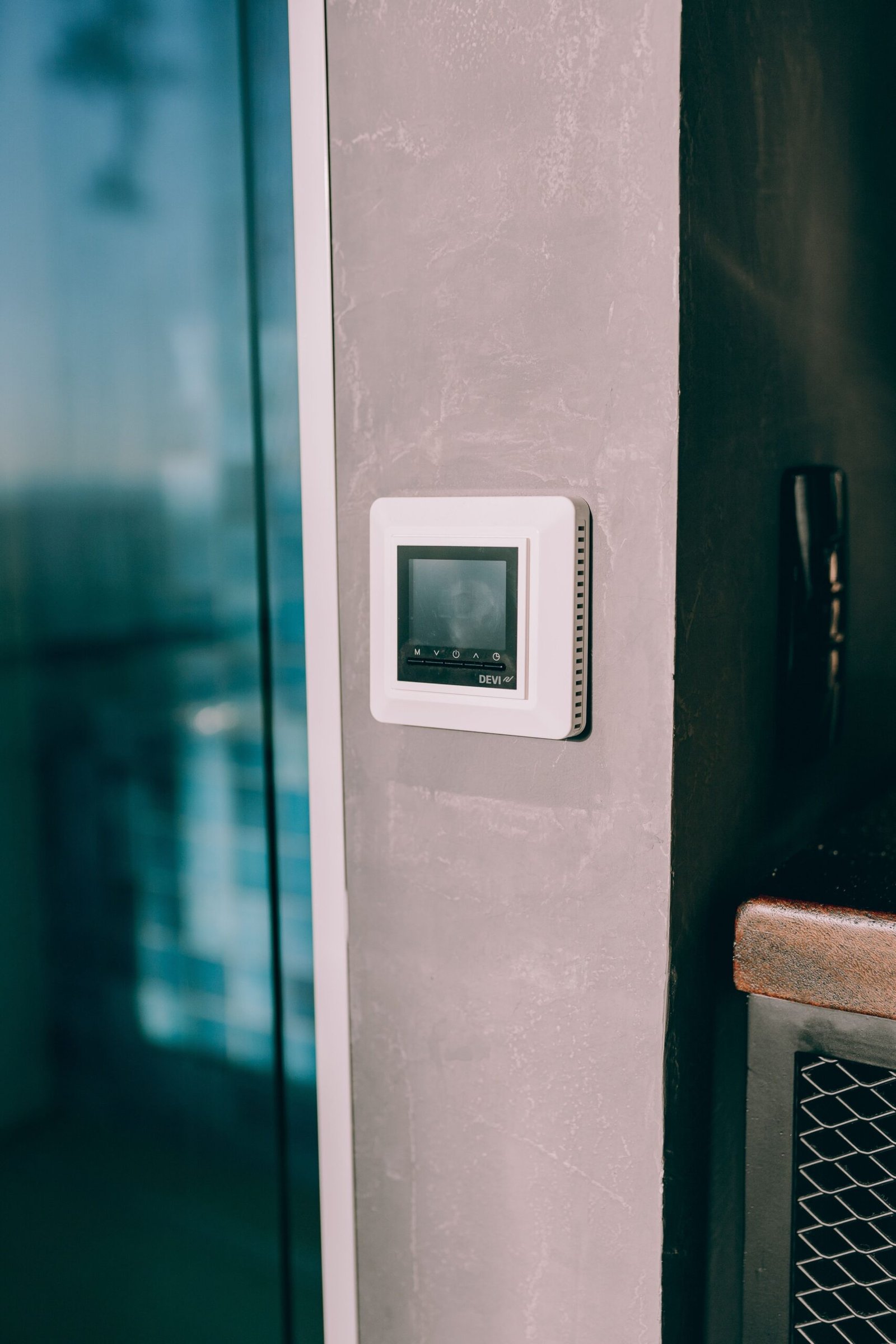
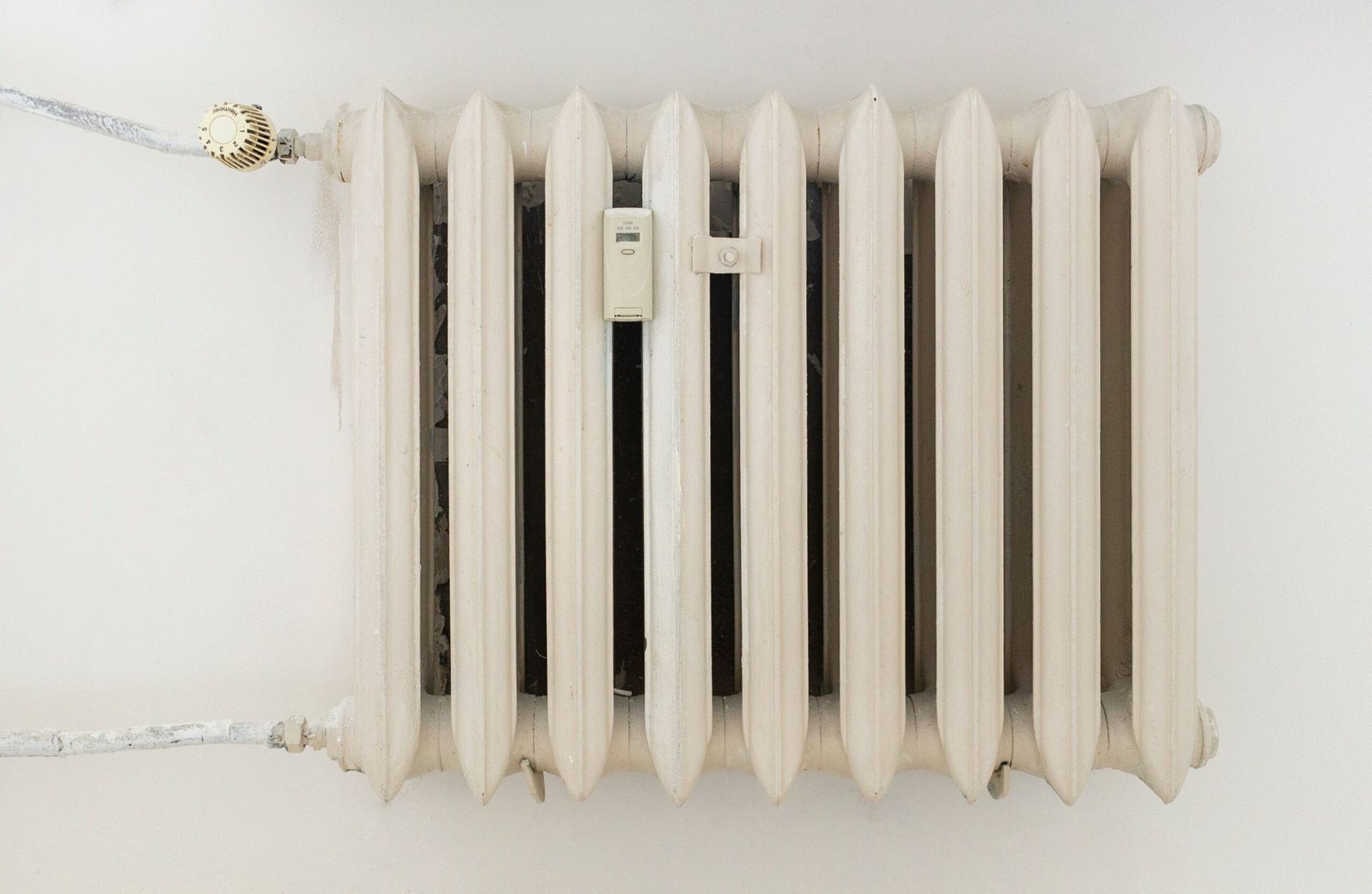
- Turn the building radiator or heating control up in the room you are actually using, if you can, and bleed or report a radiator that stays cold. A working building system should do most of the job.
- Wear a sweater or add a blanket in the evening if the rest of the flat is fine and only you are chilly at a desk or on the sofa.
- Close the door of the room you want to keep warmer, and close a window that is quietly leaking cold air, rather than heating the street.
- Use a draught stopper or a towel at the bottom of a door if the hall is much colder, without blocking a required vent.
- Check that furniture is not sitting tight against a radiator and stopping the heat you already pay for from entering the room.
If those steps make the room comfortable, you do not need a heater. If the whole flat is cold because the heating is broken, that is a landlord or building issue, not something a compact electric unit should be asked to fix by running all day. A heater also should not be used to dry a damp room; moisture and mold are a different problem, and a compact dehumidifier is the appliance for that job when the damp is leftover indoor moisture rather than a leak. See Best Compact Dehumidifiers for Small Apartments if moisture, not cold, is what you are actually fighting.

What “compact” can realistically do
A compact electric heater is for one room, or for the corner you are sitting in, not for an entire apartment. No small unit will heat a cold corridor, a neighbour’s wall, or a flat with the windows open. Be wary of any claim that a portable heater will “heat the whole home” or slash bills by a specific amount. This guide will not invent those figures.
Common electric types, without a ranking:
- Oil-filled radiators heat up more slowly and often run quietly. They stay warm for a while after they switch off. They are heavier to move and still need clear space and a wall outlet.
- Ceramic or fan heaters typically warm a small area faster and may be lighter and smaller. The fan adds some noise, which matters in a studio or a bedroom, and the airflow still must stay unobstructed.
- Micathermic or panel-style units can be relatively slim and sit against a wall, but they are still portable electric heaters: they need the same shutoffs, the same clearance, and the same direct wall-outlet rule. Do not use a panel as an excuse to tuck the unit behind a curtain.
Choose a size meant for a small room, with a thermostat you can set and a timer if you can. More power is not automatically better in a rental; a higher-wattage unit on a tired circuit is a poorer fit than a mid-size heater used in one closed room. Treat the room-size guidance on the box as a rough ceiling, not a promise, and prefer a unit you can store when the weather turns.
Noise, smell on first use, and a visible glow all matter in a small space. A heater that has to sit three feet from the bed may be a poor bedroom choice if that clearance eats the only walking path. In that case, heat the room briefly before you need it, then turn the unit off, or warm the living area instead and go to bed with an extra blanket.

Placement, storage, and what not to do
Put the heater on the floor, on a hard, level, stable surface, in a spot where it cannot be knocked and where the cord reaches a wall outlet without stretching. Keep that three-foot / one-metre clearance on all sides, including above. Do not place it on a coffee table, a bed, a plastic crate, or a deep shag rug that can block the air intake if the manual says to use a firm floor.
Point the heat into the room you are using, not at bedding, curtains, or a stack of books. In a studio, that often means a corner well away from the bed and the drapes, even if it is slightly less convenient.
When you are not using the heater, turn it off, unplug it, and let it cool fully before you move or store it. Oil-filled units in particular can stay hot after they shut off. Store the cooled unit in a dry closet, with the cord loosely coiled as the manual shows—not tightly wrapped around a still-warm body.
Do not:
- Use an extension cord, power strip, or adaptor.
- Run two heaters on one circuit, or a heater plus a high-draw kitchen or bathroom appliance.
- Leave the unit on in an empty room or overnight.
- Cover the heater, or use it to dry clothes or shoes.
- Ignore a lease clause that bans portable heaters.
- Try to heat a damp, leaking, or unheated whole flat as if a compact unit were a furnace.
A practical buying and use checklist
Before you buy or plug in a heater, confirm:
- My lease and building rules allow a portable electric heater.
- I have already tried the building heat, a sweater, a blanket, and simple draught control.
- The unit is electric, sized for one small room, and has tip-over and overheat shutoff.
- I can plug it directly into a wall outlet, with a cord that will not run under a rug.
- I can keep at least three feet (about one metre) of clear space around it, away from curtains, bedding, and furniture.
- I will turn it off when I leave the room and when I go to sleep.
- I will not run it on the same circuit as another high-draw appliance.
- I have a plan to let it cool and store it when I do not need it.
How to choose—and how to apply it
The best space heater for a small apartment is the compact electric unit you may not run very often: one with tip-over and overheat shutoffs, used in a single room, plugged into the wall, with space around it. Try a sweater, a blanket, and the building heat first. Skip anything that needs an extension cord, a guess about wiring, or a promise to heat the whole flat.
You do not need a ranked list of models or an invented energy-saving figure. You need a renter-legal, safety-led choice, and the habit of turning it off when you walk away. Used that way, a compact heater can take the chill off one room without becoming the riskiest appliance in the apartment.
FAQ
Are space heaters safe to use in a rental apartment?
They can be, if your lease allows them, the unit is electric and has tip-over and overheat shutoffs, you plug it directly into a wall outlet, you keep clear space around it, and you turn it off when you leave or go to sleep. They are not safe on extension cords, in walkways, next to bedding, or as a substitute for broken building heat.
Can I plug a space heater into an extension cord?
No. Plug it directly into a wall outlet. Extension cords and power strips are not a safe way to power a heater, which draws a high current. If the outlet is too far away, choose a different placement, not a longer cord.
Do I need a space heater if my apartment already has radiators?
Not always. Try the building heat, a sweater or a blanket, and simple draught control first. A portable heater is for supplemental warmth in one room when those are not enough, not a default purchase for every winter.
What kind of electric heater is best for a small apartment?
Choose a compact unit with tip-over and overheat protection, a thermostat, and a size meant for one room. Oil-filled models are often quieter and slower; ceramic or fan heaters typically warm a spot faster and may be louder. There is no single ranked winner; pick the type that fits the room, the noise you can live with, and the clearance you can actually keep.
Can I leave a space heater on overnight or when I go out?
No. Turn it off when you leave the room and when you go to sleep. Shutoff features are a backup, not permission to run a heater unattended.