How to Wash Greasy Roasting Pans and Baking Sheets in a Small Sink
A roasting pan that has just come out of a holiday oven is a different cleaning job from a stack of plates. The pan is often bigger than the sink. The soil is baked-on fat, not a light film of sauce. If you need to wash greasy roasting pans and baking sheets in a small sink, the method is to get the grease out of the way first, then soak, scrape, and wash in stages, including in a kitchen with no dishwasher or a dishwasher that will not take the pan.
This is not a whole-kitchen reset and it is not everyday dishwashing. “Good enough” is a pan that is clean enough to store and a sink that is not left full of grease. A factory-new shine is not the goal.
Why this pan is harder than the dinner plates
Everyday dishes usually fit the basin and rinse clean with a normal pass of soap. A turkey roaster or a full-size sheet pan often hangs off both edges of a rental sink. The fat sets as it cools, and if you wash it like a dinner plate, you push grease around the basin and down a drain that is not designed for it.
Keep this job distinct from the rest of the kitchen clean. How to Clean a Rental Oven and Stovetop Without Damage is about the appliance, not the pan. How to Remove Kitchen Grease From Cabinets and How to Clean a Range Hood and Grease Filter in a Rental Kitchen are about surfaces and filters. How to Clean Up After a Holiday Meal in a Small Kitchen is the room reset. How to Wash Dishes in a Small Kitchen Without a Dishwasher is the everyday plate-and-glass method. Use those when you need them, but do not try to make a greasy roaster disappear inside a normal wash-up.
Kitchen textiles are a separate load. How to Wash Kitchen Towels, Aprons, and Dishcloths After a Holiday Cooking Day covers the cloths you will use to dry the pan. Once the pan is clean and dry, How to Store Cutting Boards, Baking Sheets, and Trays in a Small Kitchen is where a flat sheet can live. A deep roaster has a different home, but it still should not go away greasy.
If you are replacing a pan that never fit your oven, that is a buying decision, not a washing one. Best Roasting Pans for Small Apartment Ovens is that guide.
Pour the cooled fat first, never down the drain
Let the pan cool until you can handle it safely and the fat is no longer a hot liquid. Then pour the liquid fat into a heat-safe can, jar, or disposable container you can seal later. Wipe the last loose drips with a paper towel or a scrap of newspaper and put that in the trash, not in the sink. Never pour grease down the drain, even if it looks thin, and even if you run water after it. This guide does not invent a “safe after X minutes” rule for pouring fat into a drain, because the advice is not to pour it there at all.
If the fat has already set into a solid layer, lift or scrape the solid fat into the same can or into the trash. A stiff spatula or a bench scraper works. You do not need a special tool. The aim is to get the bulk of the fat out of the pan before any water hits it.
Set the collection jar somewhere it cannot tip, and throw it away or save it for trash day according to your building’s rules. Do not rinse the jar in the sink if that just moves the fat into the drain.

Soak with hot water and dish soap
Once the loose fat is out, put the pan in the sink and give it a hot-water-and-soap soak. Dish soap and hot water are the default. Fill what you can of the basin, add a modest amount of regular dish soap, and let the pan sit so the remaining film can soften. Time does more work here than a harsh product.
If the pan will not submerge, work one end at a time. Prop the far end on a folded towel on the counter, or tilt the pan so the soiled corner sits in the water. Soak that end, wash it, then rotate and soak the other. A rimmed baking sheet can often be stood almost on edge in a narrow sink so both sides get wet, as long as it is stable and will not splash the floor.
Do not fill a pan so full that it is dangerous to lift. A large roaster of dirty water is heavy. Soak, pour the soapy water into the sink (after the fat has already been removed), and then wash. If you have no dishwasher, or the dishwasher cannot take the pan, this soak-and-rotate method is the whole machine.

Scrape the stuck bits, then wash again
Baked-on spots usually need a scraper after the soak, not a harder chemical. Use a plastic scraper, a pan-safe spatula, or a folded piece of foil on the stuck bits if the finish can take a gentle scrape. Start with the least aggressive option. Avoid steel wool or a harsh scouring powder on a nonstick or an unidentified coating. If you cannot tell what the finish is, stay with dish soap, hot water, time, and a plastic scraper.
Do not reach for oven cleaner on a roasting pan or a baking sheet unless the manufacturer clearly says that product is safe for that finish. Many rental pans and inherited holiday pans have no label you can trust. HomeRivr’s default is conservative: skip the mystery chemical recipe.
After the first pass, the pan often still feels slick. That is normal. Drain the sink, wipe obvious grease out of the basin with a paper towel, and do a second wash once the first grease is gone. Fresh hot water and a little more soap on an already-scraped pan is usually what gets it honestly clean. Rinse well so soap residue does not sit in corners.
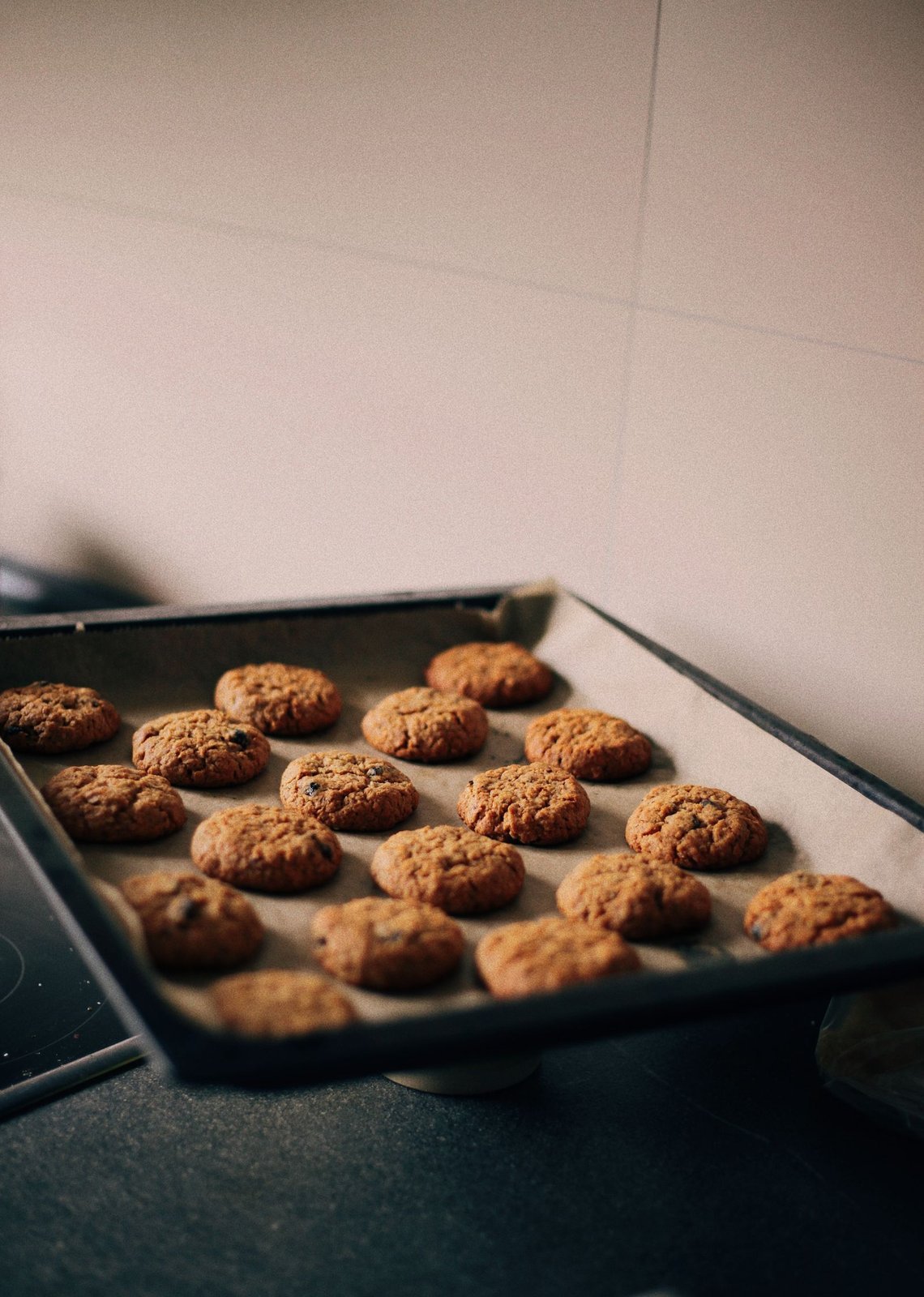
A baking sheet with only crumbs and a thin film is easier than a roaster, but the same order helps: cool, lift off loose fat or stuck sugar, soak, scrape, second wash. Sheets that are too long for the basin can be washed in two halves, just like a roaster. Dry the sheet fully before you file it, so moisture does not sit in a tight slot.
Keep grease out of a small rental sink
The basin will collect grease if you rush. Wipe the sink between stages. If a greasy ring forms on the porcelain or stainless, a fresh squirt of dish soap and a sponge usually lift it while it is still fresh. Do not flush a puddle of fat with boiling water and hope the pipes will thank you.
If food is burned into a corner and soap plus time plus a scraper will not move it, soak again rather than escalating to a product you cannot name. You can also leave a hot soapy rag on the spot, then scrape again. If the pan is damaged, badly rusted, or the finish is flaking, it may be time to retire it. That is a practical call, not a product ranking.

You do not need a restaurant wash station. The useful idea in a large-tray photo is only this: big pans often have to sit beside the basin, not fully in it, and you wash them in sections. Then you dry them and put them away so the sink can go back to plates.
A simple order of work
- Let the pan cool enough to handle, then pour or scrape cooled fat into a can or jar.
- Wipe loose grease with a paper towel and throw that away.
- Soak in hot soapy water, one end at a time if the pan will not fit.
- Scrape stuck bits with a plastic scraper or folded foil if the finish allows it.
- Drain, wipe the sink, and give the pan a second wash and a thorough rinse.
- Dry fully, then store. Leave the sink wiped so the next person does not meet a grease ring.
Work on the roaster first if you also have a sink full of everyday dishes, or wash the plates first and then give the pan its own soak once you have space. Either order is fine, as long as the fat never goes down the drain and the pan is not left greasy on the counter overnight if you can help it. If you must pause, scrape the loose fat first so it does not harden into a thicker job later.
Lined baking sheets are a little kinder at this stage. If you roasted on parchment, lift the liner into the trash once it is cool, then soak the sheet. You still need soap and a second wash for the rim and the corners, but you will spend less time scraping the field of the pan.
A small sink also means you should clear a drying spot before you start. A folded towel on a tiny counter, a clean cooling rack, or a dry section of the stove that is fully off and cool will do. Do not perch a wet, greasy pan on a stack of clean plates, and do not stand a wet sheet in a tight storage slot. Dry it first, then put it away.
How to apply it
Get the cooled fat into a container, not into the drain. Soak with hot water and dish soap, wash one end of a too-big pan at a time, and scrape gently before you consider any stronger product. Then wash a second time, dry the pan, and wipe the sink. That is how you wash greasy roasting pans and baking sheets in a small sink well enough for a small apartment kitchen, without turning a holiday clean-up into a chemistry project.
FAQ
Can I pour leftover roasting fat down the sink if I run hot water?
No. Pour cooled fat into a can or a jar and throw it away according to your building’s rules. This guide does not give a waiting time after which grease becomes safe for a rental drain.
What if the roasting pan does not fit in the sink?
Soak and wash one end at a time. Tilt or prop the pan so the soiled section sits in hot soapy water, then rotate and do the other end. A second wash still helps once the first grease is gone.
Should I use oven cleaner on a greasy baking sheet?
Only if the manufacturer clearly says that product is safe for that finish. If you cannot identify the coating, stay with dish soap, hot water, time, and a plastic scraper.
Do I need a dishwasher to get a roaster clean?
No. Many dishwashers will not take a full-size roaster anyway. A soak, a scrape, and a second hand wash are the default method in a small kitchen.
When is the pan clean enough to put away?
When it is free of grease to the touch, rinsed, and fully dry. It does not need to look brand new. A slick film means it needs another wash, not more time sitting dirty on the stove.