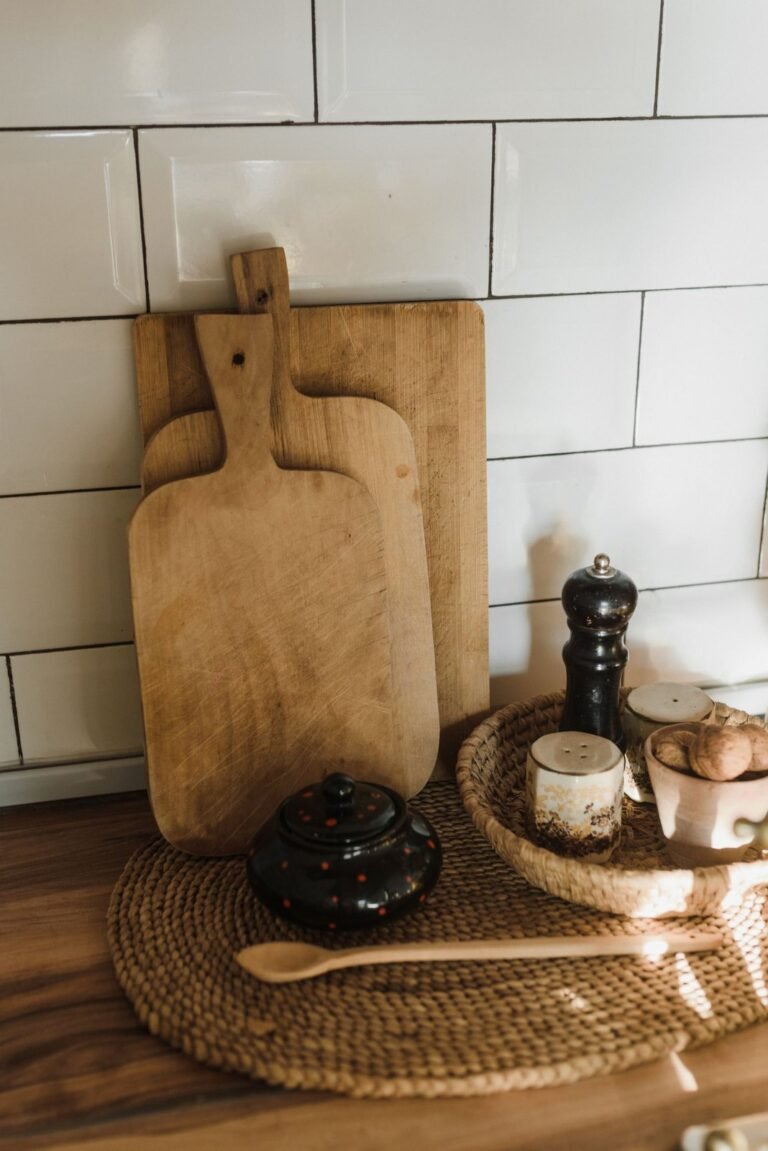
How to Meal Prep in a Small Kitchen (Without Taking Over the Counter)
Meal prep fails in a small kitchen for a simple reason: the job is treated like a restaurant shift. Every board comes out, every burner goes on, and the only stretch of counter disappears under bowls, packets, and cooling trays. By the end of the session you have food for the week and nowhere to set down a mug.
If you want to meal prep in a small kitchen, shrink the process to what your worktop and fridge can actually hold. The aim is a few useful building blocks—cooked grains, a tray of vegetables, a pot of something you can reheat—not a full week of identical plated meals. Fresh items can still be cooked on a weeknight if they are quick and do not need a second sink of washing up.
This is a process guide. It is not a recipe collection, and it is not a buying guide to boxes. For choosing containers that stack in a tight fridge, use Best Meal Prep Containers for Apartments. For where those boxes live once they are filled, see How to Organize a Small Apartment Fridge. Dry goods belong in a pantry cabinet, not in a row of open bags on the worktop; that setup is in How to Organize a Tiny Apartment Pantry (or a Cabinet That Acts Like One). And the counter itself needs a daily home, not a weekend takeover; that system is in How to Keep Small Kitchen Counters Clear.
Decide what to prep and what to cook fresh
Start with your real week, not an ideal menu. Look at how many lunches you actually take from home, which evenings you will be tired, and how much fridge space you can spare after milk, condiments, and yesterday’s leftovers.
A practical split:
- Prep the slow or messy parts. Grains, a pot of beans or lentils, roasted vegetables, and a simple sauce or dressing are good candidates. They use the oven or one burner, they keep well, and they make a weeknight assembly faster.
- Cook fresh what goes downhill quickly. Leafy salads, crispy foods, eggs you like just-set, and fish often taste better made the day you eat them. You can still wash and dry greens, or portion a protein, without fully cooking it.
- Do not prep more than the fridge can hold. A small apartment fridge fills fast. If a shelf is already tight, prep two or three days of building blocks rather than seven identical boxes. You can run a shorter midweek cook if you need to.
- Repeat ingredients so you use fewer pans. If two meals can share the same cooked rice or the same tray of vegetables, you have halved the work and the cooling space.
Write a short list before you shop: two or three base elements, a protein or two, and the fresh items you will cook later in the week. If the list needs four pots and a clear island, it does not fit this kitchen. Cut it until it fits one pan, one pot, and one clear rectangle of counter.
Batch in one pan or one pot so the worktop stays a single station
The most useful habit in a tight kitchen is to cook in batches that share a pan, a pot, or a single oven tray. You do not need a second worktop if the food moves through one station in order: chop, cook, cool, pack, reset.
Work in a sequence:
- Clear and set a single prep stretch. Move the kettle and the everyday tray if you have one, and keep only the board, a knife, and a bowl on the counter. Everything else stays in a cupboard until it is needed.
- Chop first, then cook. Finish the cutting before you turn on the hob. Put peelings straight into a compost caddy or a bowl for the bin, so the board does not become a second pile.
- Use the oven or one deep pot for the large batch. A tray of mixed vegetables, a pot of grains, or a simple stew can be the week’s backbone. If you have only two burners, do not start a second pot until the first is simmering quietly or is already off the heat.
- Stagger, do not stack, the jobs. While the pot simmers, you can wash the board and set out containers. You should not start a second chopping project that steals the only clear space.
A sheet pan or a wide pot is usually enough. You are not running a line. If a dish needs three saucepans and a blender, save it for a night when you are cooking one meal, not a prep session. Keep raw meat or fish on a separate board or a plate, and clean that surface before you use it for cooked food or for vegetables you will eat raw.
Keep ingredients you are not yet using in the cupboard, so the board does not disappear under packets and bottles.


Cool food and fill containers without losing the counter
Cooling is where small kitchens overflow. Steaming-hot food should not go straight into a tightly packed fridge, and a whole tray left on the only worktop blocks the sink and the kettle.
A calm container flow:
- Portion in stages, not all at once. Take the pot off the heat, then transfer food into a few shallow containers so it can stop steaming more readily than it would in one deep vat. You do not need a full matching set; you need lids that close and a shape that stacks.
- Use a cooling gap that is not the main prep stretch if you can. A dining table, a folding tray, or a clean, heat-safe board on a rarely used corner can hold containers while they stop steaming. Do not block a hallway, and do not set hot containers on a varnished surface that cannot take the heat.
- Pack only what you will eat in a few days. A note on the lid with the contents and the day can help you actually use the food. Leave a little fridge space for milk, fresh vegetables, and midweek leftovers.
- Wash the pot before you fill the last box. A sink full of pans is how a 20-minute reset becomes an hour.
Use ordinary leftover sense: perishable cooked food should not sit out on the worktop for hours. Once it is no longer steaming, get it into the fridge. If you are unsure about a particular dish, follow the storage guidance on the package or a trusted food-safety source rather than inventing a rule.
Choose containers after you know what you cook and how your shelves are shaped, not the other way around. The buying details live in the container guide; the shelf layout lives in the fridge guide. The process point is simpler: food should move from pan to container to fridge in a short path, and the worktop should not become a holding yard.

Run a 20-minute reset so the counter is usable again
Meal prep only works in a small kitchen if the room returns to normal the same day. Build a reset into the session, not as a leftover chore for Monday.
A 20-minute reset, once the food is packed or cooling in a safe spot:
- Food in the fridge, or still cooling on a heat-safe, out-of-the-way surface—not spread across the only worktop.
- Pots, trays, and the board washed or stacked neatly to dry. The sink should not be left as a second counter.
- Oil, spices, and packets back in their homes—the everyday tray, a drawer, or the pantry cabinet.
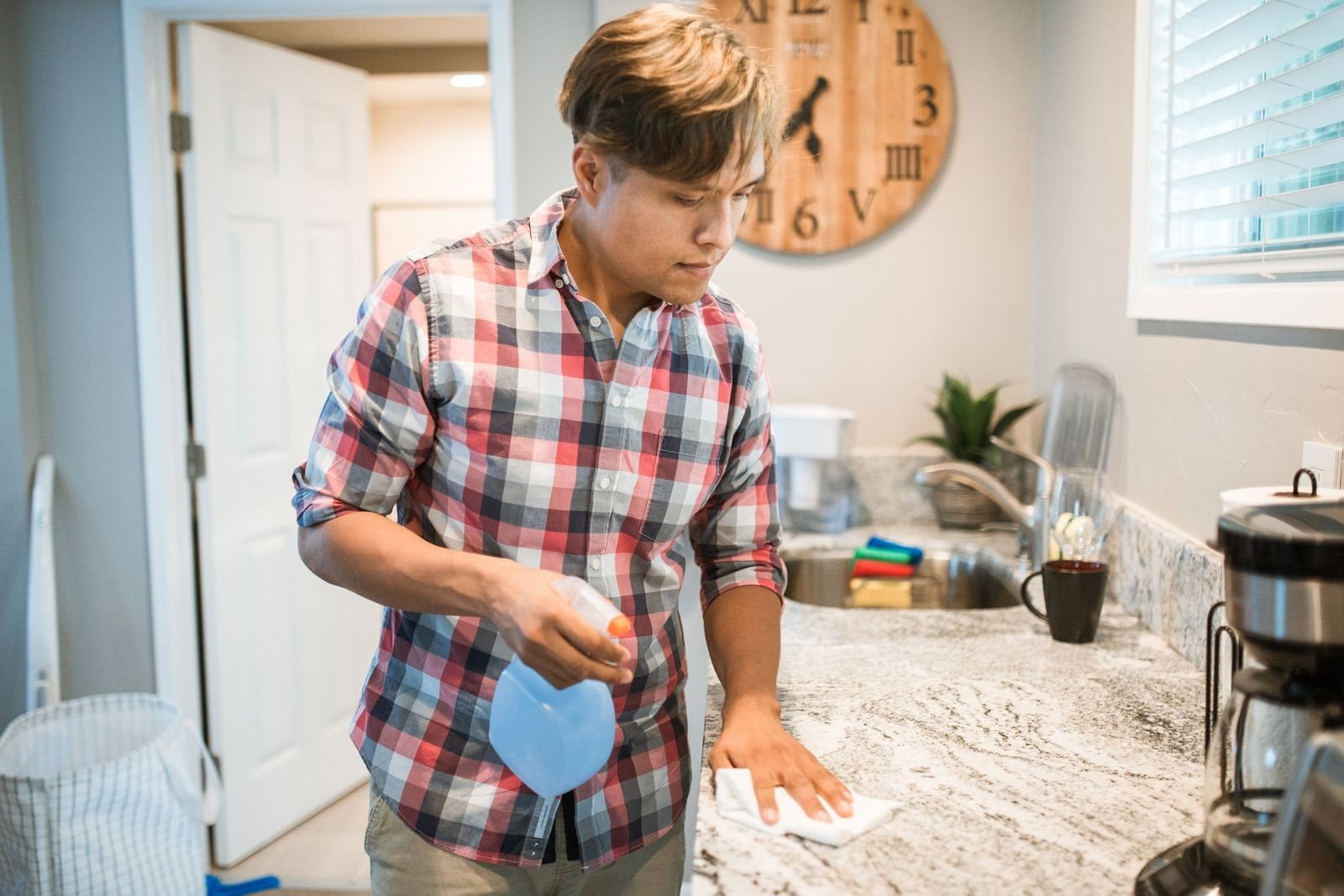
- The worktop and the hob wiped, including the sticky ring under the oil and the crumbs around the board.
- The bin emptied if it is full of peelings, and the floor given a quick sweep if needed.
When you are done, you should be able to set down a kettle or a weekday breakfast board without shuffling a row of containers. If the reset is taking longer than the cook, you prepped too much or you left cooling on the main stretch. Next time, cut the batch and move packed boxes to the fridge sooner.
A short midweek top-up—one pot, one tray—beats a monthly marathon that takes over the kitchen for a whole afternoon. Keep the same sequence: clear, cook, pack, reset. That weekly rhythm is what makes the process livable in a small kitchen.
A practical small-kitchen meal-prep checklist
Before you call the session finished, confirm:
- I planned building blocks I will actually eat, and left some meals to cook fresh.
- The batch fits one pan or one pot, plus maybe one oven tray, not a full cookware set.
- The only prep stretch was cleared first, and I chopped before I cooked.
- Food is cooling in shallow, lidded containers, not in a deep pot left on the worktop.
- The fridge still has room for everyday items, not only a wall of boxes.
- The counter, hob, and sink were reset in about twenty minutes, and I can use the worktop again.
- Dry goods went back to the pantry, and containers have a shelf I can actually reach.
How to choose—and how to apply it
The calm way to meal prep in a small kitchen is to treat it as a short weekly rhythm, not a production line. Prep the slow parts, cook fragile things fresh, and batch in one pan or pot so the counter stays a single station. Cool food in containers you can stack, then spend twenty minutes putting the room back so the worktop is usable the same evening. You do not need a larger kitchen, a new set of boxes, or a week of identical meals. You need a list that fits your fridge, one clear stretch of counter, and a reset short enough to finish before you sit down.
FAQ
How do I meal prep in a small kitchen if my counter is only a couple of feet wide?
Clear that stretch completely before you start, and keep only the board, a knife, and one bowl on it. Chop first, then cook in one pan or pot so you are not running two messy jobs at once. Move packed containers off the worktop as soon as they can go to a cooling spot or the fridge, and finish with a short reset so the counter is free again.
What should I prep ahead, and what should I cook fresh?
Prep the slow or messy building blocks that keep well: grains, a pot of beans, roasted vegetables, or a simple sauce. Cook fresh the things that lose quality quickly, such as delicate greens, crispy foods, or fish. If your fridge is already tight, prep two or three days of food rather than a full week.
How should I cool food in a small kitchen before it goes in the fridge?
Take food off the heat and portion it into shallow, lidded containers so it can stop steaming more readily than it would in a deep pot. Use a heat-safe spot that is not your only worktop if you can. Do not leave perishable cooked food sitting out for hours, and do not pack a steaming-hot vat into a crowded fridge. Once the food is no longer steaming, refrigerate it.
Do I need a full set of matching meal-prep containers?
No. You need lids that close and shapes that stack on your actual shelves. A few shallow boxes you already own are enough to start. Choose a set later only if your current containers waste space or leak; that buying decision is covered in the container guide, not by filling the counter with new empty boxes.
How often should I meal prep if my apartment fridge is very small?
A shorter cycle is usually kinder than a weekly marathon. Prep a couple of building blocks, eat them down, and run a midweek top-up if you need to. The test is simple: after you pack, can you still store milk and a couple of fresh items without stacking boxes in front of the vents or the door shelves?