
Best Blackout Curtains for Renters: How to Choose Without Damaging Walls
Streetlights, early sun, and thin rental blinds can make sleep harder in apartments. Blackout curtains help—but renters also need methods that do not leave gaping holes or violate lease clauses. The goal is darker sleep, not a renovation.
There is no single best blackout curtain for every rental. There is a fit: fabric that blocks enough light for your room, a size that covers the window properly, and a hanging method your landlord (and walls) can live with. This guide stays practical and restrained—no medical sleep claims, no scare talk—just light control for small homes.
Blackout vs room-darkening vs lined curtains
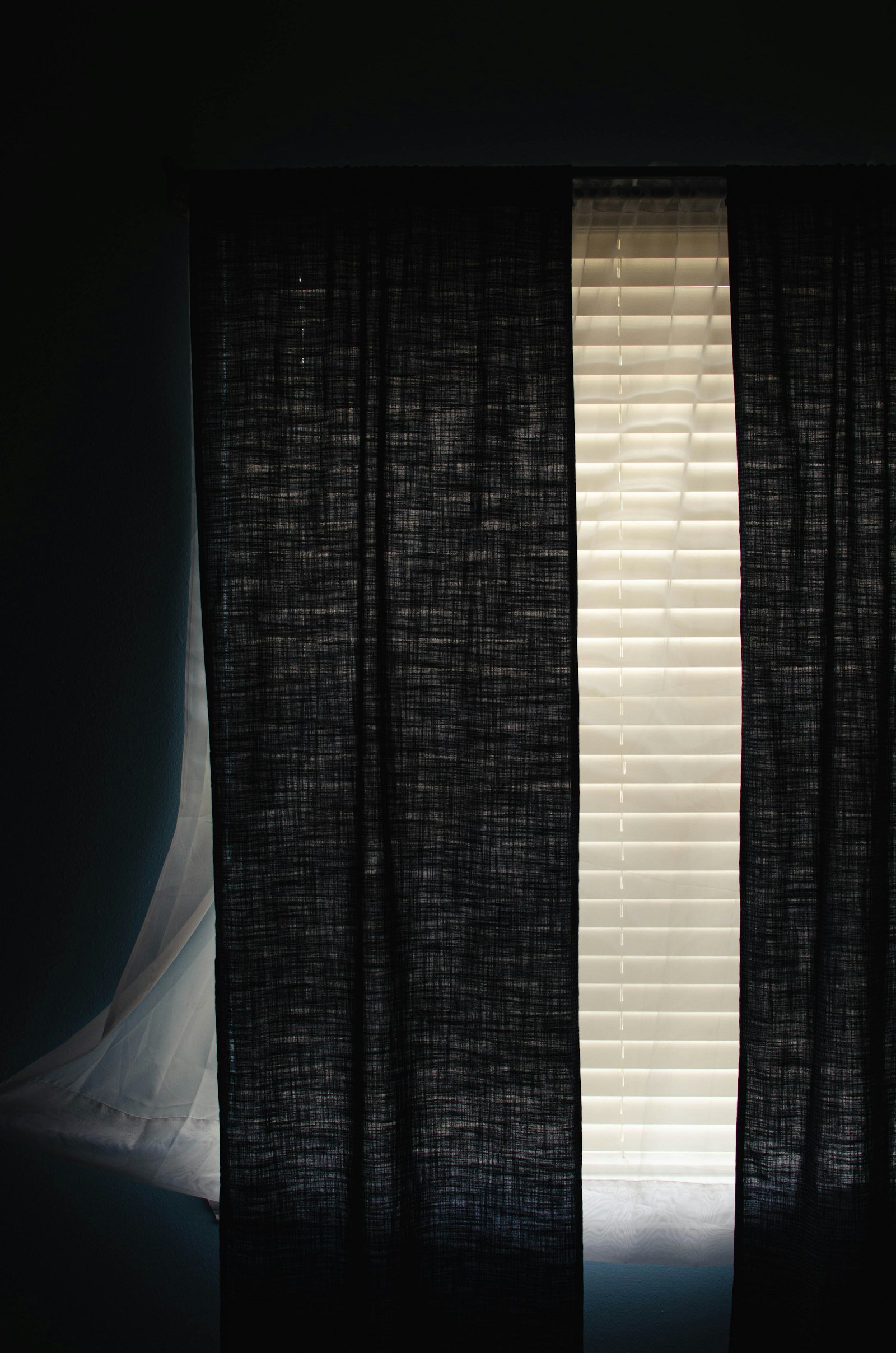
Blackout fabrics aim to block most light when properly hung with minimal side gaps. Usefulness depends on weave, lining, and installation as much as the label.
Room-darkening softens light but may still leave a glow—fine for living rooms, sometimes not enough for shift workers.
Thermal or lined curtains can add weight and help with light and draft feel; check labels rather than assuming.
Ignore absolute “100%” marketing language; treat claims as approximate and prioritize full coverage and gap control.

Measure like a renter who wants results
- Measure window width; add extra width so panels overlap the wall on both sides (often several inches / centimeters per side) to cut side light leaks.
- Measure desired length: sill, below sill, or floor—floor length looks finished but needs clearance for heaters and vacuuming.
- Note radiator, AC unit, and door clearance.
- Check ceiling height for rod placement above the frame—higher rods can make windows feel taller and reduce top light leaks.
Write numbers before shopping. Returning oversized panels is harder when you need sleep tonight.
Renter-friendly hanging methods
Tension rods
Best for: lightweight to medium curtains inside a recess, or lightweight layers.
Limits: heavy true blackout panels may sag or fall; window recesses must be deep and solid enough. Choose quality rods rated for the curtain weight.
Wraparound or U-shaped rods (with careful mounting)
Help push fabric closer to the wall to reduce side gaps. Mounting usually needs screws—ask about landlord approval and use appropriate anchors; fill and color-match holes when you move out if required.
Removable adhesive hooks / damage-light kits
Some kits claim easy removal; success varies by paint and humidity. Follow weight limits strictly. Test on a small area and keep original hooks to reinstall landlord blinds if needed.
Existing blind + curtain layer
Often the calmest rental move: leave building blinds in place and add a blackout layer on a rod in front. Blinds cut some light; curtains finish the job. Do not disable required window hardware your building mandates.
Command-style or bracket alternatives
Use only products rated for your curtain weight and wall type. When in doubt, choose a freestanding room-darkening solution (see sleep mask / temporary options below) rather than overloading adhesive hooks.
Fabric, color, and heat notes
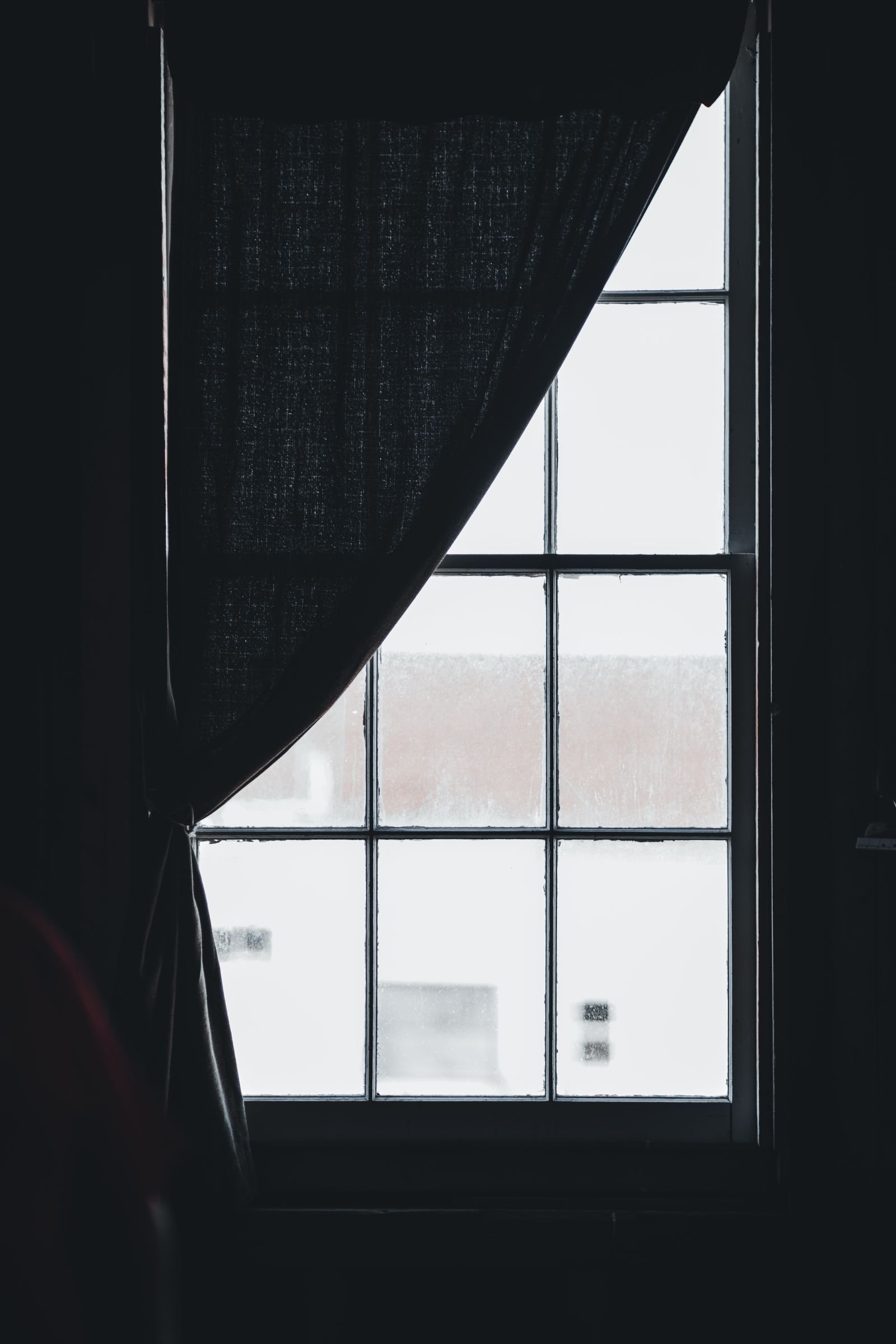
Heavier curtains feel more substantial and often block light better when well lined. Dark colors hide light pinholes better than thin pale weaves, but pale blackout linings exist—read product details. In hot apartments, thick curtains can also hold heat; you may open them daytime and close at night. Keep fabric clear of portable heaters and cooktops; follow basic fire-safety common sense and manufacturer guidance.
Reducing light leaks without construction
- Overlap two panels at the center.
- Choose rods wider than the window.
- Add a inexpensive draft snake or rolled towel at the sill only if it does not create a trip or moisture issue.
- Close side gaps by letting fabric return to the wall.
- For stubborn streetlight lines, a temporary blackout cling on the glass (removable) plus curtains can help—remove carefully per product instructions to protect glass.
Temporary and supplemental options
Eye masks help travel and naps without touching walls. Portable foldable blackout shades exist for travelers; some renters use them short-term. These are supplements, not full décor replacements, but they avoid drilling entirely.
Studios and shift schedules
In a studio, blackout curtains on the sleep wall help even if the kitchen light is on for a roommate’s late snack—combine with a soft divider or simply asking for lamp use after a certain hour. Shift workers may need stronger light control than weekend-only sleepers; prioritize full coverage over decorative sheers alone.
Noise and privacy (adjacent benefits)
Curtains are not acoustic panels, but heavier fabrics can soften a bit of outdoor sharpness and add visual privacy on ground floors. Do not expect silence; use curtains for light and privacy first.
Moving out cleanly
Photograph the original window covering setup on move-in day. Keep spare screws and brackets. Before handover, remove your rods if required, patch nail holes with a matching method acceptable to your landlord, and rehang any original blinds you took down. Taking curtains with you is normal; leaving damage is not.
Shopping order that avoids returns
Lease check → measure → choose hanging method → choose fabric weight → order panels with enough width → hang and test at night → add side tweaks only if needed. Buying hardware last prevents orphan curtains that cannot hang safely.
A practical buying and hanging checklist
- I measured width and length with overlap allowance.
- I know my lease rules on holes and window coverings.
- I chose a hanging method rated for curtain weight (tension, approved brackets, or layering on existing hardware).
- Fabric type matches my need (blackout vs room-darkening).
- Side and top gaps are planned for, not ignored.
- Curtains clear heaters, radiators, and fan units safely.
- I can restore the wall or original blinds when I move.
- Care label matches how I will clean (machine wash vs wipe).

Living-room vs bedroom priorities
Bedrooms usually want stronger blackout. Living rooms may prefer room-darkening or sheers for daytime. In studios, prioritize the sleep wall first; add secondary coverage later if street glare hits a desk. One good bedroom install beats half-covered windows everywhere.
Budget sequencing
Spend first on adequate width and a safe rod, then on fabric quality. A cheap narrow panel that leaves six inches of streetlight on each side will disappoint no matter the thread count of the label. Full coverage is the feature.
How to choose—and how to apply it
Start with measurement and lease rules, then fabric, then hardware. For many renters, layering quality blackout panels on a robust rod in front of existing blinds is the sweet spot: better sleep, reversible setup, no demolished walls. Tape a dark sheet temporarily for one night as a cheap test of how much darkness you need before you spend.
The best blackout curtains for renters are the ones you can install safely, close fully, and take with you to the next apartment.
FAQ
Will blackout curtains make my apartment too dark in the day?
Open them. Choose two layers (sheer + blackout) if you want daytime light and nighttime darkness.
Can I use tension rods for heavy blackout curtains?
Sometimes for lighter “blackout” panels in a deep recess; heavy drapes often need a sturdier mounted rod. Respect weight ratings.
Do I need curtains if I already have blinds?
Blinds alone may leave edge light. Curtains reduce side glow and soften the room. Layering is common in rentals.
Are stick-on blackout shades enough?
They can help short-term. Check removability on your glass type and heat conditions. Combine with curtains for a finished look if needed.
What about mold behind heavy curtains?
Allow occasional airing, especially in humid climates; do not trap wet window condensation permanently. Wipe sills when moisture appears and follow your building’s ventilation habits.



7 Comments