Best Compact Hand Mixers for Small Kitchens
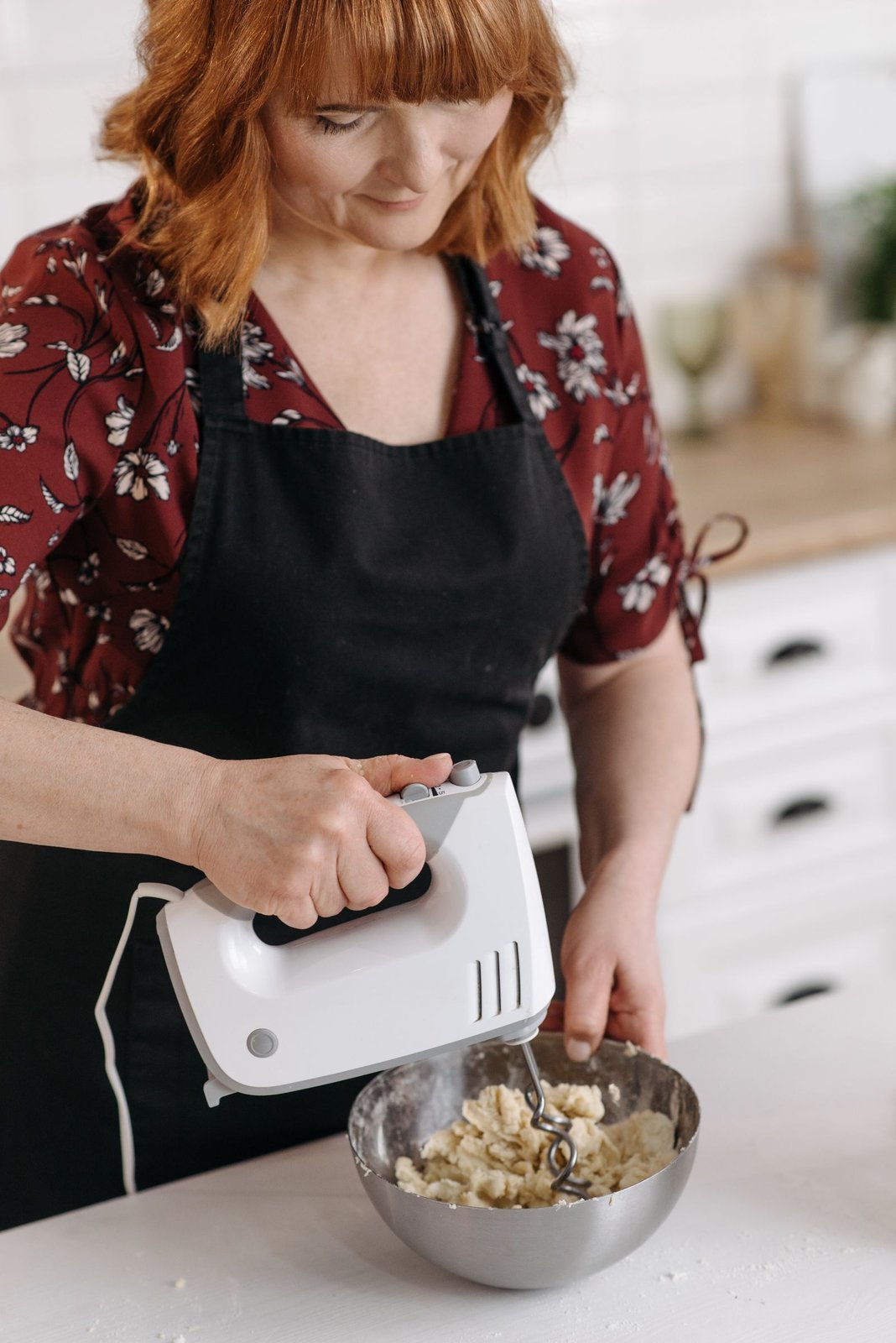
A compact hand mixer looks modest in a product photo and suddenly bulky once the beaters, the cord, and a mixing bowl are all on a galley counter. The best compact hand mixers for a small kitchen are not the ones with the most speeds in a marketing chart. They are the handheld mixers you will actually use for batter, whipped cream, mashed potatoes, or a small batch of frosting, that you can control with one hand, and that you can store without soaking the motor or leaving beaters in the utensil drawer forever.
This article is beaters in a mixing bowl, and whether that appliance is worth a drawer. It is not a blender guide. Best Compact Blenders for Small Kitchens is for smoothies and frozen drinks. It is not a stick-blender guide. Best Immersion Blenders for Small Kitchens is for soups and sauces in a pot. A compact food processor is a different bowl and a different job. Best Compact Food Processors for Small Kitchens covers chopping and dough in a processor bowl. There are no model lists, prices, or test scores here.
When a hand mixer earns the drawer
It earns the drawer if you regularly mix batter, whip cream or egg whites, mash potatoes, or beat a small batch of frosting, and a whisk leaves your arm tired before the mixture is ready. It does not earn the drawer if you want “the option” of baking twice a year, or if you already reach for a whisk for the one task you do.
A whisk is often the more honest tool for a single egg, a small vinaigrette, or a cup of cream you can finish by hand. An immersion blender is the more honest tool when the food is already in a pot or a tall beaker and you want to puree it. A compact food processor is more honest for chopping nuts, making a dough that needs a blade, or grinding something a pair of beaters will only fling around the bowl. A hand mixer is for a mixing bowl you can tip and scrape, with beaters you can see.
If you mostly cook for one or two, be honest about frequency. How to Cook for One or Two in a Small Kitchen is the wider cooking pattern. A mixer you use once a month still needs a home, a cord, and attachments you will not lose. How to Meal Prep in a Small Kitchen (Without Taking Over the Counter) is a different kind of batch work. A hand mixer can help with a bowl of potatoes or a batch of muffins, but it should not win the drawer just because a meal-prep photo included one.
There is no failure in deciding the mixer is not worth the space. The failure is buying one and using it as a source of loose beaters in a junk drawer.

Weight, grip, and one-handed control at a small counter
In a small kitchen, the motion matters as much as the motor. Can you hold the mixer in one hand, steady the bowl with the other, and still stand without blocking the only walkway? A heavy mixer that vibrates hard is tiring in a 20-minute whipped-cream session, and it is harder to keep inside a lightweight bowl. A very light mixer is easier to lift, but it can travel across a tiny, wet counter if you set it down on the edge while it is still running — or even just perched, beaters dripping, while you reach for a spatula. Say that plainly, and keep the mixer in the bowl or on a dry, stable landing spot when you pause.
Look at the grip and the speed control with the hand you will actually use. You should be able to start slowly in a bowl of flour, then increase speed, without lifting the beaters out and spraying the backsplash.
Cords and charging stands change the footprint. A corded mixer needs an outlet you can reach without draping the cord across a hob or a sink, and enough slack that the mixer does not tug itself toward the edge. A cordless mixer with a charging stand needs a home for that stand, not a second gadget left on the counter “because it has to charge.” How to Keep Small Kitchen Counters Clear is the wider counter habit. If the stand will live out permanently, measure that rectangle including the mixer parked on it.
Neither style is automatically better, and this is not a ranked list. Choose the power method you will actually use in the outlet layout you have. Unplug a corded mixer before you change beaters or wash around the body. For a cordless model, follow the maker’s instructions for when it is safe to remove attachments; if you are not sure, take the beaters off only when the mixer is off and stable.
Beaters, dough hooks, and where they store
Most handheld mixers come with a pair of beaters, and some include dough hooks or a whisk attachment. The attachments are part of the storage problem. If they do not have a dedicated clip, case, or in-body slot, they will migrate into a utensil cup and you will not find a matched pair when you need them.
Count the pieces and measure the drawer or cabinet before you assume a “compact” mixer is compact in real life. A mixer body plus two beaters plus dough hooks plus a charging stand can be larger than a single saucepan. How to Store Small Appliances in a Small Kitchen is the wider appliance-home guide. Give the mixer one home, with its attachments in the same drawer, a slim case, or a clip on the body if it has one. Do not store beaters loose in a mixed utensil pot if they will get bent or delayed.
Dough hooks are useful if you regularly mix a small, soft dough and the maker designed the mixer for that job. They are not a reason to knead a stiff dough that strains a lightweight handheld motor. Follow the maker’s guidance, and stop if the motor smells hot or the beaters stall.
A mixing bowl is part of the setup. You need a bowl that is deep enough to limit splash, and room on the counter to tilt it. Best Cookware Sets for Small Kitchens is about pans, not this bowl, but the same small-kitchen logic applies: if you do not have a bowl you can use safely with beaters, the mixer is not the first thing to add. An electric griddle or an air fryer should not be the reason you skip a hand mixer, and a hand mixer should not take the spot those appliances already earned if you use them every day. Best Compact Electric Griddles for Small Kitchens and Best Air Fryer for Small Kitchens: How to Choose Without Wasting Counter Space are those choices. Keep the jobs separate.

Rinse around the motor, and do not soak it
The beaters and hooks are the washable parts; the motor housing is not. Do not immerse the motor housing in the sink, a bowl of water, or the dishwasher unless the manufacturer clearly says that specific part is safe that way — and for almost every handheld mixer, the motor is not. Unplug the mixer first. Eject or twist off the beaters according to the instructions, then wash the attachments. Wipe the motor housing with a barely damp cloth and dry it. Keep water out of the beater sockets and the vents.
Let attachments dry fully before you return them to a closed drawer. Wet beaters in a tight case will smell, and they can rust.
If batter dries in the sockets, wait until the mixer is unplugged and cool, then clean around the openings carefully without flooding them. Do not hold the running mixer under a faucet.
Safety at a tight, wet counter
Keep hair, ties, and spatulas away from moving beaters. A handheld mixer is close to your face and to the hand holding the bowl, which is why loose sleeves, necklaces, and a tea towel over one shoulder are a poor idea while it runs. Use a spatula only after you stop the beaters, or well clear of them. Unplug the mixer, or make sure it is off and stable, before you change beaters.
A lightweight mixer on the edge of a tiny, wet counter can travel. Do not walk away from a running mixer, and do not perch it on a cutting board that can slide. If you need to scrape the bowl, stop the motor, then scrape. If the mixer has a heel rest, use it on a dry, stable surface, not on a soaked dish towel at the lip of the counter.
Watch the cord. Keep it away from the hob, the toaster, and the sink. If you are working next to a wet sink, dry a landing zone first.


Practical takeaways
- Choose a hand mixer only if you regularly beat a bowl of batter, cream, potatoes, or frosting; a whisk, immersion blender, or compact food processor may be the more honest tool for other jobs.
- Favor a weight and grip you can control with one hand in the space you actually have.
- Measure the mixer plus its beaters, dough hooks, cord, or charging stand before you give it a drawer.
- Store attachments with the mixer, not loose in a utensil pot.
- Do not immerse the motor housing. Unplug before you change beaters, and wash only the parts meant to get wet.
- Keep hair, ties, and spatulas away from moving beaters. A lightweight mixer on the edge of a tiny, wet counter can travel.
The mixer is earning its space when you can take it out, fit the beaters, mix a bowl without spraying the backsplash, and put every piece back in one home. Once you choose among the best compact hand mixers this way, “best” means the tool you will use, not the one with the longest feature list.
FAQ
When is a hand mixer better than a whisk?
When you regularly mix a volume that leaves your arm tired before the mixture is ready — batter, whipped cream, mashed potatoes, or a small batch of frosting. A whisk is often enough for a single egg or a small dressing. There is no need to add a motor for a job your hand already finishes well.
Should I buy a cordless hand mixer for a small kitchen?
Only if you have a home for the charging stand and you will actually keep it charged. A corded mixer is simpler if you have an outlet you can reach safely. Neither type is automatically better, and you should not leave a stand on the counter permanently just because it exists.
Can I put the mixer body in the sink or dishwasher?
Do not immerse the motor housing. Unplug it, remove the beaters, wash the attachments, and wipe the body with a barely damp cloth. Follow the manufacturer’s guidance for that specific mixer; do not assume any part is dishwasher-safe.
What attachments do I actually need to store?
The beaters you use, and the dough hooks only if you really mix dough with this mixer. If an attachment has no home with the mixer, it will get lost. You do not need to keep every optional whisk if you never use it.
Is a hand mixer safe to use on a small, wet counter?
It can be, if the mixer is stable, the cord is away from water and heat, and you stop the beaters before you scrape the bowl or change attachments. Keep hair, ties, and spatulas away from moving beaters. A lightweight mixer on the edge of a tiny, wet counter can travel, so do not perch it there.