
Best Room Dividers for Studio Apartments
A studio has to be a bedroom, a living room, and often a workplace in a single floor plan. The problem is not always a lack of furniture. It is that the bed, the sofa, and the desk all sit in the same view, so the room never quite feels like any one of those things. A divider will not add square footage, but it can give each activity a little privacy and a clearer edge.
If you are looking for the best room dividers for studio apartments, start with a freestanding piece you can move when the lease ends: a folding screen, or an open shelf unit used as a divider. The aim is a softer split—sleep on one side, work or dressing on the other—while light still crosses the room and a clear walkway remains.
This is a buying guide to renter-safe dividers, not a full studio layout plan, not a living-room arranging guide, and not a sofa or desk roundup. For how the whole room can share furniture, use Studio Apartment Furniture Layout. For making a living area feel more open, see How to Make a Small Living Room Feel Bigger Without a Reno and How to Arrange Furniture in a Small Living Room. Sofa and desk choices live in Best Sofas for Small Living Rooms and Best Compact Desks for Small Apartments.
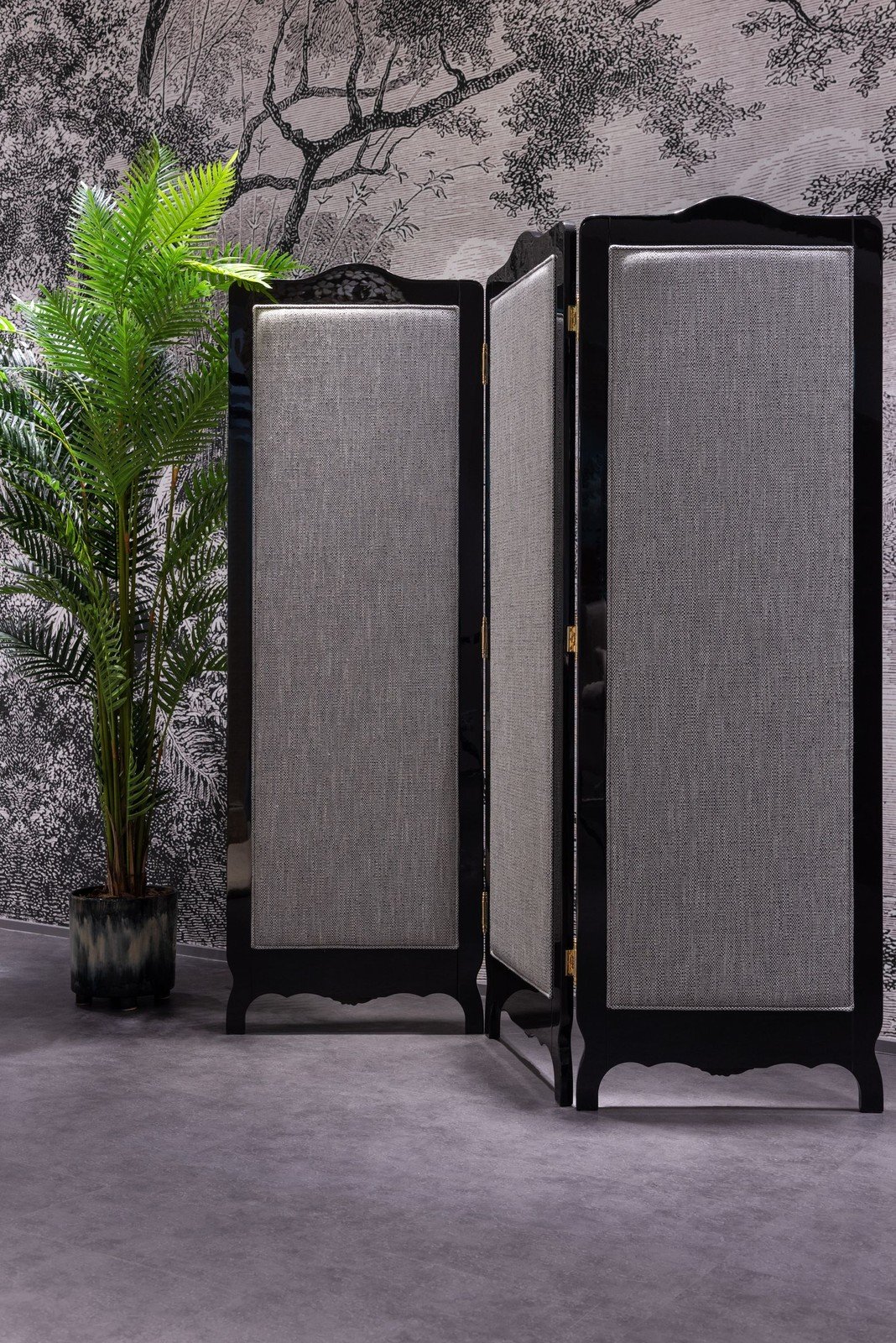
Folding screens for a light, movable split
A folding screen is the most straightforward renter option. It stands on its own, it folds away when you need the full room, and it does not ask you to drill the ceiling or frame a wall.
Look at a few practical points, not at a ranked list of models:
- Height and coverage. The screen should be tall enough to break the view of the bed from the sofa or the desk, without pretending to be a full wall. You rarely need it to reach the ceiling. A screen that is a little shorter than the door frame often hides a mattress without turning the studio into a cave.
- Number of panels and footprint. More panels can wrap a corner or a dressing spot. They also take more floor space when they are opened into a stable zigzag. Measure the arc the screen will occupy, including the depth of that zigzag, so it does not sit in the walking line.
- Finish and cleaning. A simple painted, fabric, or wood screen should be something you can dust and, if needed, wipe according to the maker’s care notes. A purely decorative antique-style screen is fine if it is stable; just do not buy one you are afraid to move.
Place the screen where it does a job: between the bed and the living area, or as a short wing that hides a dressing corner. Do not put it where it blocks the only window, the kitchen pass-through, or the path to the exit. If you only need the split at night, a screen you can fold and stand against a wall during the day is often more livable than a fixed panel.

Open shelving as a divider
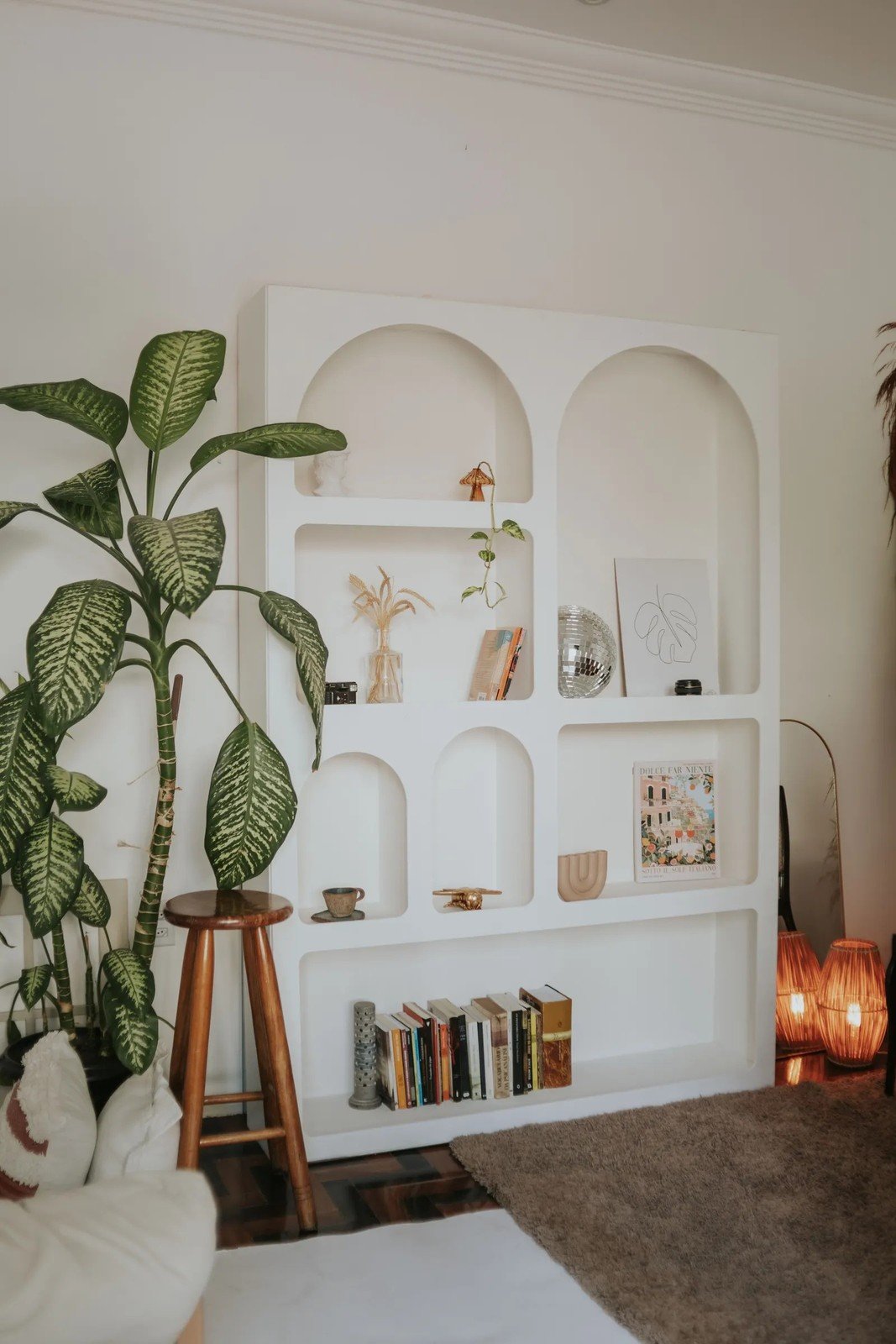
An open bookshelf or a low, open storage unit can split a studio while letting light and air through. Unlike a solid screen, you can still see a softened version of the other side, which helps a small room feel less chopped in half.
Use the shelf as a divider, not as a wall of boxes:
- Keep it open. Leave some shelves partly empty, or use a mix of books, a lamp, and a few closed bins rather than a solid stack of opaque boxes. The point is a visual break with gaps for light.
- Choose a height that fits the job. A mid-height unit can separate a desk from a sofa without towering over the room. A taller bookcase can hide a bed more fully, but it also needs more stability and a more careful placement.
- Access from the side you use. If the shelf divides sleep from work, put everyday work items on the desk side and bedtime items on the bed side, so you are not walking around the unit fifty times a day.
The unit must be freestanding and used as the manufacturer intends. Follow any anti-tip or anchoring instructions that come with a tall bookcase. In a rental, ask the landlord before you drill. If you cannot anchor a tall, narrow unit, choose a lower, deeper, more stable piece rather than inventing a no-drill workaround that leaves a heavy shelf unsafe. A short, well-loaded open unit is a better divider than a tall one you are not allowed to secure.
This is still furniture, not a built-in. You should be able to move it when you rearrange, and you should not screw it into the floor or the ceiling.
Leave light and a walkway
A divider that steals the only daylight or the only path will make the studio harder to live in than an open plan was.
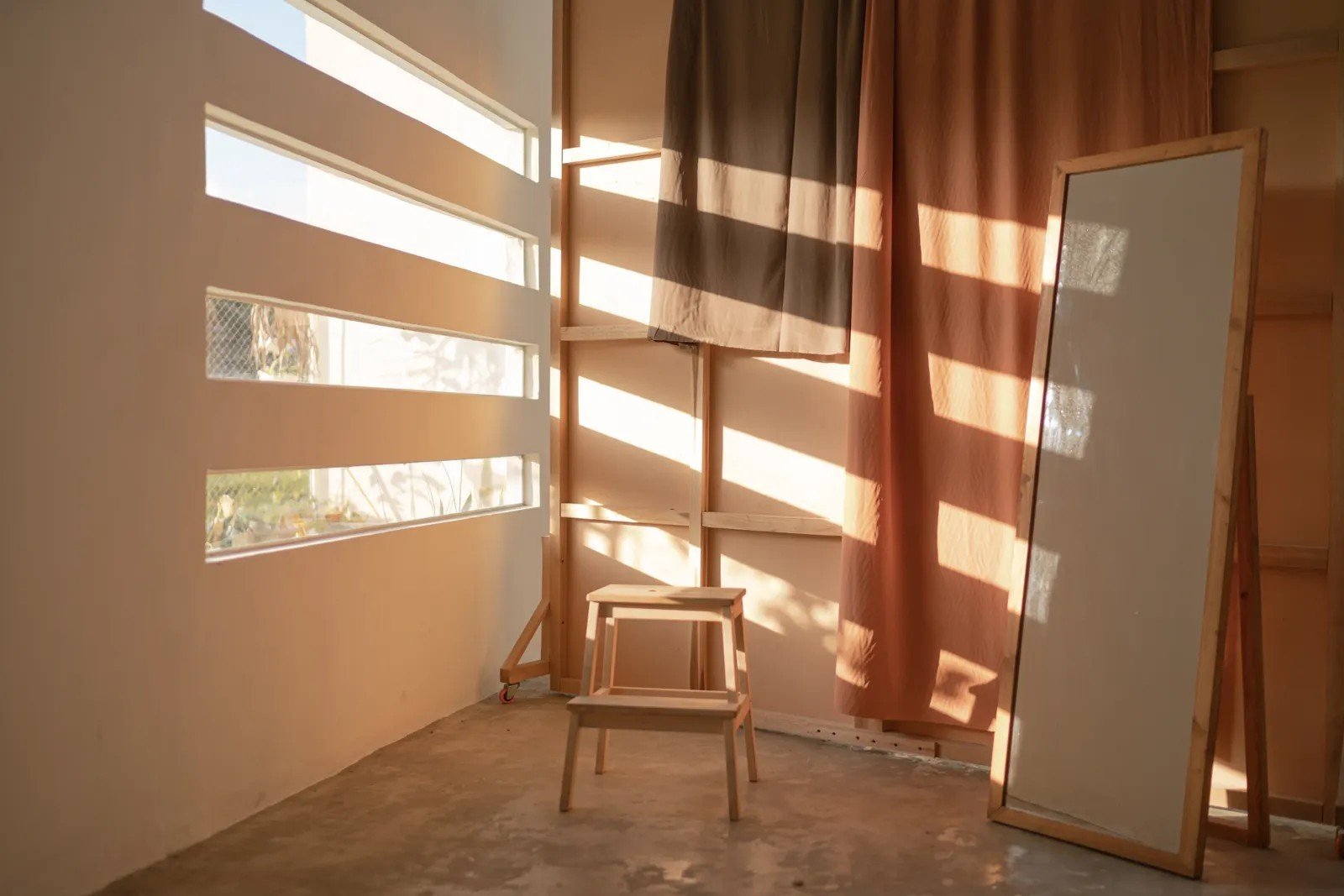
Stand in the room at the time of day you care about most—morning at the desk, evening on the sofa—and look at what a proposed screen or shelf would block. If the bed needs darkness, that is a curtain or a sleep setup issue as well as a divider issue; a screen can help, but it should not be the only thing standing between you and the window if that window lights the whole apartment.
Keep a clear walkway:
- From the entry to the kitchen, the bathroom, and the fire exit, with no zigzag that forces you to sidestep a panel every time.
- Around the bed, so you can make it and reach a closet or a rail.
- Behind a desk chair, so the chair can slide back without hitting the divider.
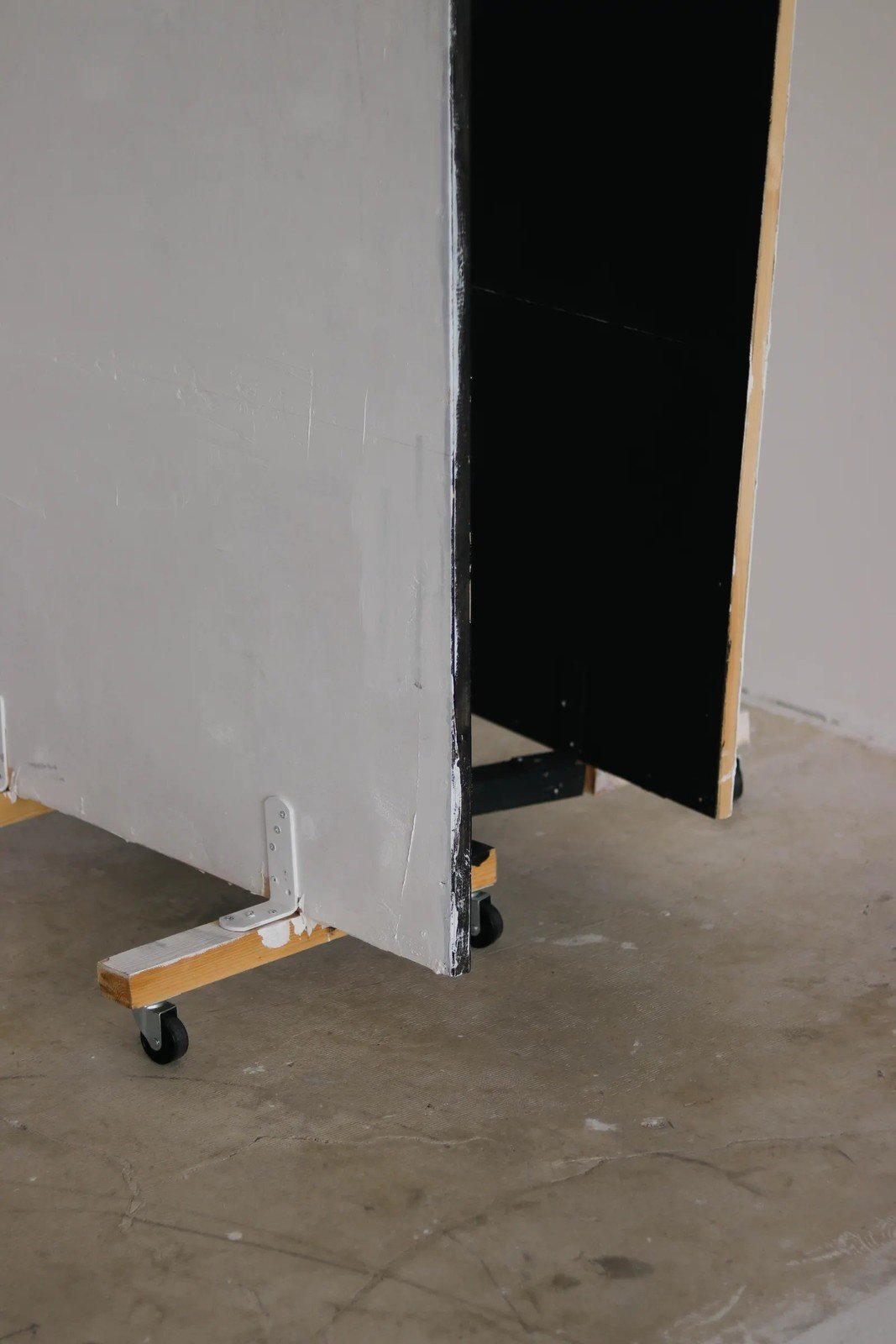
A rolling or wheeled partition can help if you want to open the room during the day and close it at night, but only if the wheels lock and the floor can take them without scuffs you cannot accept in a rental. Test the rolled path before you commit to leaving it in the middle of the room, and park it so a locked wheel cannot be knocked into a walkway.
Stability, and what not to build
Stability is the safety test. A divider that tips when someone brushes it is not a good apartment purchase, no matter how well it hides the bed.
Look for a screen that stands in a shallow zigzag rather than in a perfectly straight, easily pushed line, and for a shelf with a wide enough base for its height. Place either piece on a level floor, away from a door that flies open and away from a window where a strong draft might move a lightweight screen. If the manufacturer includes anchoring hardware for a tall bookcase, treat that as part of the product, not as an optional extra you skip without a plan.
What not to build in a typical rental:
- A framed wall, a half-wall, or a partition you screw into the floor and ceiling. That is a renovation, and it is usually not allowed without written permission. It is also much harder to undo at move-out.
- A ceiling-track curtain or sliding panel system. Tracks often need drilling into the ceiling or a door frame. Unless your lease and your landlord clearly allow it, treat this as usually not renter-friendly. A tension rod may work for a lightweight curtain in a limited opening, but it is not the same as a track system, and it still should not block an exit.
- A heavy DIY stack of unsecured boxes or an improvised tall stack of bricks and boards. That is not a substitute for a stable piece of furniture.
If you need a darker sleep zone, a screen plus existing window coverings is a safer first step than building a room inside the room. The layout guide can help you place the bed and the sofa so the divider only has to do a modest job. The divider should support the furniture plan, not fight it.
A practical studio room-divider checklist
Before you buy, confirm:
- The divider is freestanding—a folding screen or an open shelf—and I can move it when the lease ends.
- I measured the footprint, including a screen’s zigzag or a shelf’s depth, and it does not sit in the main walkway.
- Light from the main window can still reach the rest of the studio, or I have a plan that does not leave one side in permanent shadow.
- A tall shelf can be used as the manufacturer directs, and I will ask before drilling any anchors; otherwise I will choose a lower, more stable unit.
- I am not planning a framed wall, a ceiling track, or any fixed partition unless the landlord has clearly allowed it.
- The path from the door to the exit, the kitchen, and the bathroom stays clear when the divider is in place.
How to choose—and how to apply it
The calm way to choose among the best room dividers for studio apartments is to buy a freestanding piece that does a modest job well. A folding screen is enough for many sleep or dressing splits. Open shelving can divide a work zone from a sofa while letting light through. Leave a walkway, watch the daylight, and pick a stable design you can move. You do not need a built wall or a ceiling track, and those options are usually not renter-friendly. You need a screen or a shelf that stands safely, hides what you want hidden, and still leaves the studio usable as one home. Measure once, place the piece out of the exit path, and live with it for a day before you decide it has to be taller or more permanent.
FAQ
What is the best room divider for a studio apartment if I rent?
Start with a freestanding folding screen or an open bookshelf used as a divider. Both can split sleep, work, or a dressing spot without a renovation. Choose the screen if you want a movable visual break; choose open shelving if you also need storage and want light to pass through.
Will a room divider make a studio feel smaller?
It can, if it is solid, too tall, or placed across the only window or walkway. A mid-height open shelf, or a screen that stops short of the ceiling and sits in a shallow zigzag, usually keeps more of the room’s sense of space. Leave a clear path and some see-through or leftover light.
Can I use a bookcase as a room divider?
Yes, if it is stable, not overloaded into a solid wall of boxes, and used as the manufacturer intends. Keep some shelves open so light can pass, and do not screw the unit into the floor or ceiling. If it is tall, follow the anchoring instructions and ask your landlord before you drill; otherwise choose a lower piece.
Are ceiling-track curtains or a framed wall a good idea in a rental?
Usually not, unless you have clear written permission. Ceiling tracks and framed or half-walls typically need fixing into the building and are hard to reverse at move-out. Treat them as usually not renter-friendly, and look at a freestanding screen or shelf first.
How do I keep a folding screen from tipping?
Open it into a shallow zigzag rather than a straight line, stand it on a level floor, and keep it out of a door swing and a strong draft. Do not overload hanging hooks on a lightweight screen. If a screen still feels unsteady, it is the wrong piece for a tight, high-traffic path.


