
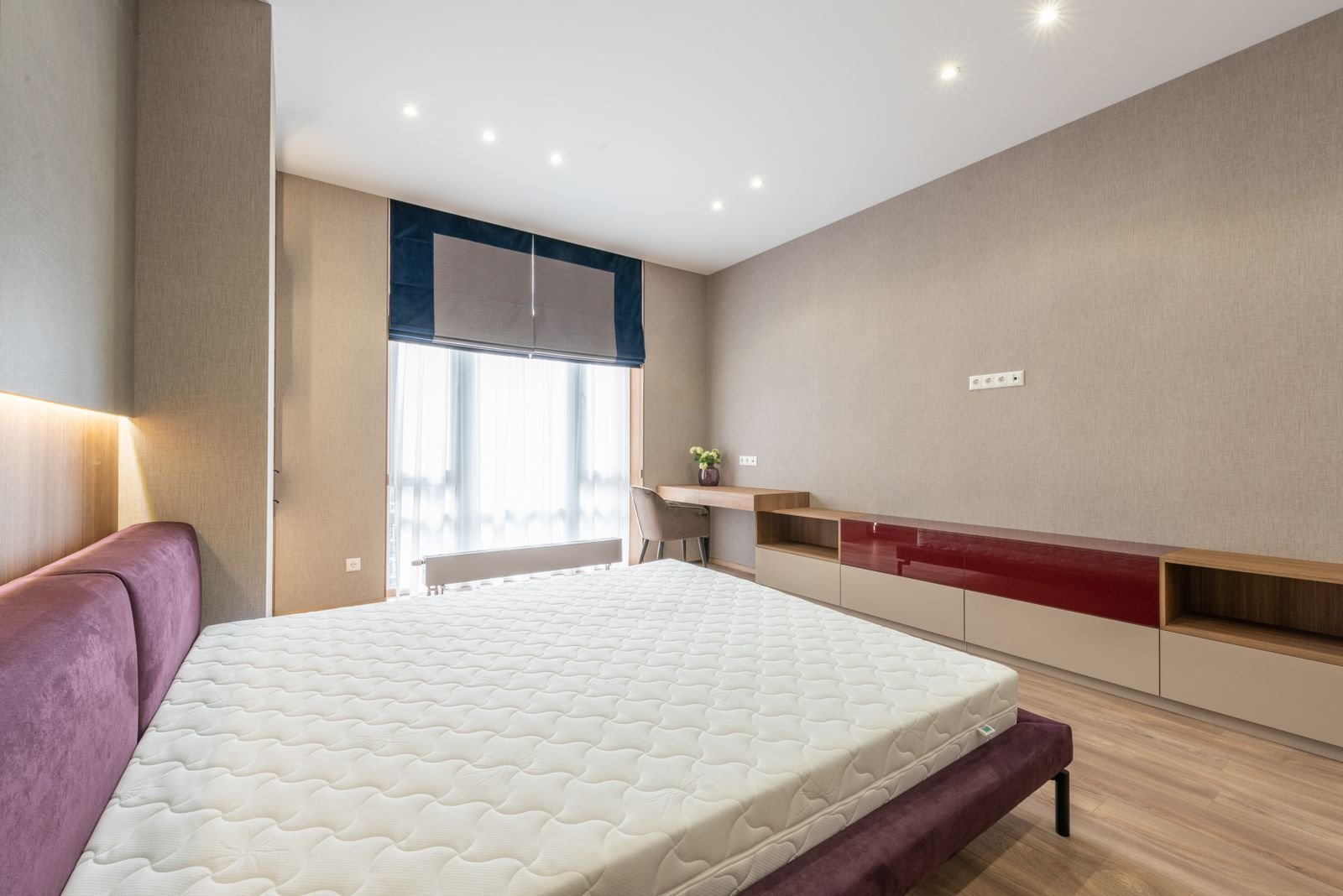
How to Clean a Mattress in a Small Apartment
In a small apartment you usually cannot haul a mattress downstairs, onto a balcony, or into the sun. The mattress has to be cleaned where it already sits, in a room that may not have much airflow. Learning how to clean a mattress in a small apartment is an in-place plan: strip the bed, vacuum, spot-clean, deodorize honestly, and dry the mattress fully before you make the bed again. It is also a realistic look at when a protector would have helped, and when a stain or odor is simply set.
This is not a laundry schedule for the layers you can remove. How often to wash the sheets is in How Often to Wash Sheets and Towels: A Practical Laundry Schedule for Small Homes. The comforter is in How to Wash a Comforter in an Apartment Laundry Room, and pillows are in How to Wash Pillows in an Apartment Laundry Room. Buying a protector, a topper, or a new mattress in a box is a separate decision. This article is cleaning the mattress itself.
Do not soak a mattress in a small room, and do not stand a wet mattress against a wall to “air.” Check the care tag before you use any cleaner. This guide does not invent disinfectant “kills everything” claims, and it does not promise to treat allergies or medical symptoms. A calm clean is a dry clean first, a small spot second, and a full dry before the bed is made again.
Strip the bed and start with the removable layers
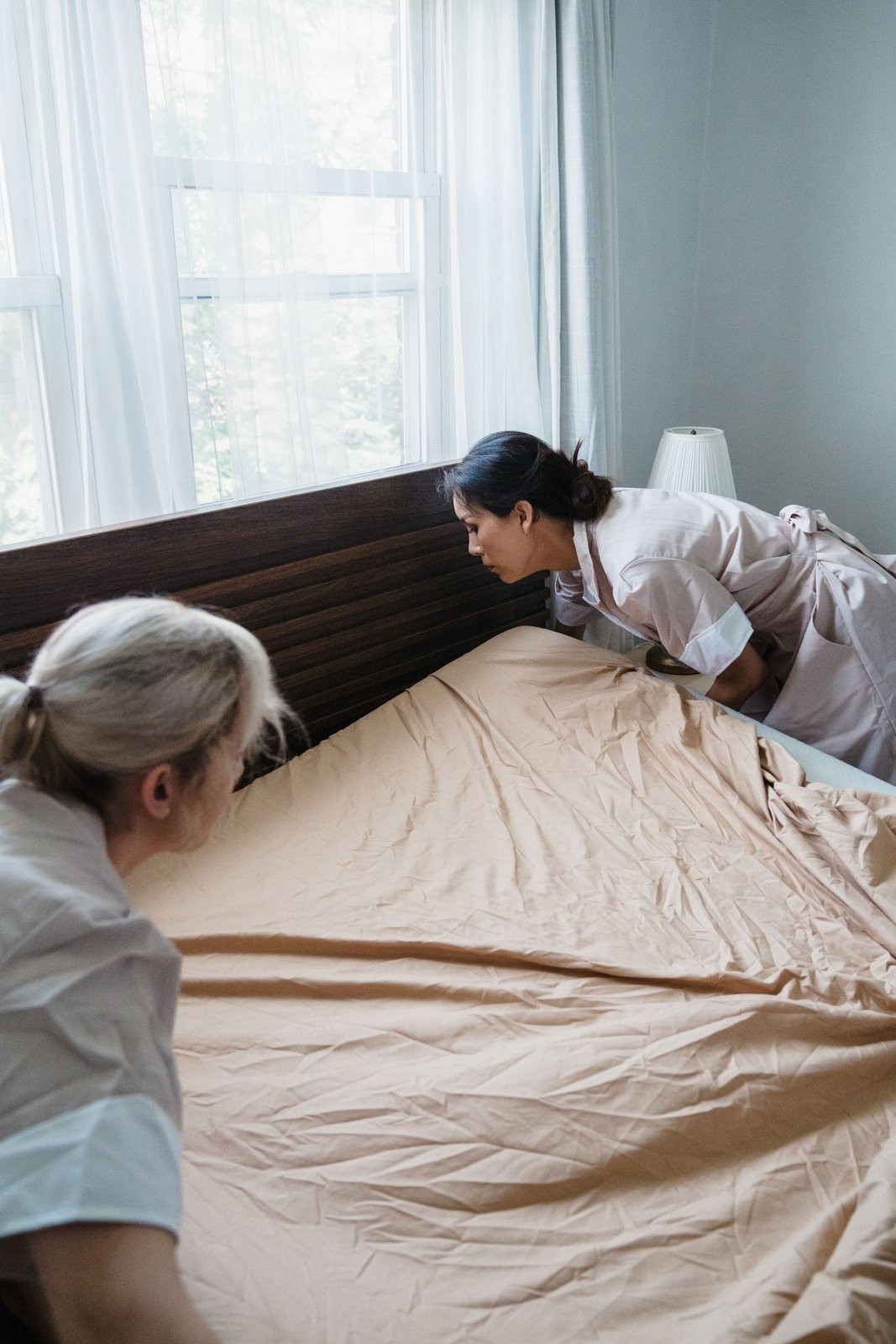
Start by stripping the bed completely. Take off the sheets, the protector if you have one, the topper if it is removable, and the pillowcases. The mattress needs a clear surface you can see and vacuum. Do this on a day when you can leave the bed unmade long enough for any damp spot to dry, not ten minutes before you need to sleep.
Wash the removable layers according to their own care labels. Those loads are the laundry guides above, not a second wash cycle you do on the mattress. If pet hair is on the bedding or has already worked into the room, How to Remove Pet Hair from Furniture, Floors, and Laundry is the hair-removal routine. Vacuuming the mattress will still help, but it is not a substitute for washing the sheets.

Look at the bare surface once the layers are off. Note any stains, damp spots, or odors before you add moisture. If you see active mold, or if you find pests, stop the cosmetic clean and deal with that problem honestly: a light vacuum will not fix either, and persistent mold or pests may mean replacement rather than another cleaner.
Open a window if you can, or run a fan that is not blowing dust back onto the mattress. You are not required to take the mattress outside. Many apartments have no yard, no safe railing, and no permission to leave a mattress in a hallway. Indoor air movement is the honest option.

Vacuum, then spot-clean without soaking
Vacuum the mattress slowly, including the sides, the piping, and any tufts or handles. Use an upholstery tool if you have one, and keep the beater bar off a delicate surface if your vacuum has that setting. Go over stains and the area where you usually sleep more than once. The goal is to lift loose dust, hair, and dry debris before any moisture goes on the fabric.
For a spot, work small. Check the care tag first. A little mild soap in a barely damp cloth is the usual starting point for a fresh spill, not a bowl of water poured onto the bed. Blot; do not scrub a wet circle into the foam or innerspring. How to Remove Stains from a Sofa in a Rental Apartment is the same blotting logic on a different piece of furniture. A mattress is thicker and slower to dry, so you must be even more conservative with water than you would be on a sofa cushion you can stand on end.
What not to do:
- Do not soak the mattress, steam it until it is wet through, or “flush” a stain with a large amount of cleaner in a small room. That is a mold risk.
- Do not stand a wet mattress against a wall to dry. The side against the wall stays damp, and you can mark the paint.
- Do not treat outdoor sunning as a required step. If you cannot safely take the mattress outside, skip that idea and dry it in place.
If the tag forbids a product, do not use it. If a stain is old, rust-colored, or has already gone through to the other side, cleaning may lighten it without removing it. Say that honestly to yourself before you add a second round of liquid. A second wet pass in a small room is how a simple spot becomes a damp core that takes a day to dry.
Keep a towel under your hand as you blot so you are lifting the moisture back off the fabric, not spreading it. Change to a clean, dry cloth as soon as the first one is wet. Work from the outside of a fresh spill toward the center when you can, so you do not enlarge the mark.
Deodorize honestly and dry the mattress fully in the room
A mattress that smells lightly of sleep or a closed room may improve if you vacuum it, leave it bare for several hours with some airflow, and put clean, dry bedding back on. Baking soda, used lightly and vacuumed up after it has sat on a dry surface, is a common odor-absorbing step. It is not a guarantee, and it is not a disinfectant. Do not invent a timeline on which every odor disappears.
Give the mattress time to dry completely before you make the bed. In a small room that can mean hours, or overnight, with a window open or a fan moving air across the surface. The mattress should feel dry to the touch, including the spot you cleaned and the underside of the cover fabric, before a protector and sheets go back on. If the room is already humid, wait longer rather than trapping moisture under clean bedding. A slightly cool, dry surface is better than a bed you remake too early and wake up to a musty smell.
If you share the room, plan the clean for a morning or a day when the bed can stay bare. Turning the mattress, if the tag and the design allow it, can help a surface dry, but it is not a reason to flip a soaking-wet mattress onto a damp side.
A deep clean of the rest of the apartment can wait until the mattress is dry and made. How to Deep Clean a Rental Apartment Without Damaging Anything is the wider cleaning pass. Do not wet-mop around a drying mattress in a way that throws more moisture into the same small room.
When a protector would have helped — and when the mattress is simply done
A waterproof or washable protector will not make an already stained mattress new, but it would have caught many spills and much sweat before they reached the surface you just cleaned. After the mattress is dry, putting a protector on is one of the more useful follow-up steps. Best Mattress Protectors for Apartment Beds is the buying guide. A topper is a comfort layer, not a cleaning method; Best Mattress Toppers for Apartment Beds: Comfort Without a Full Mattress Swap covers that choice. Neither product is a reason to soak the mattress underneath.
Some problems will not lift with another round of cleaner. Persistent mold, a pest issue, or a smell that remains after vacuuming, careful spotting, and a full dry may mean replacement rather than more product. A stain that has been set for months may stay visible even if the surface is otherwise clean. This is not a medical or allergy-cure article, and it is not a promise that every mattress can be saved.
Be especially cautious with a mattress that has been wet for a long time, that has visible mold, or that has a smell you cannot place after a full dry. More fragrance, more spray, or a heavier soak will not make those problems safe or gone. If you are dealing with a pest issue, follow building rules and professional advice rather than treating this article as a pest-control plan.
If you do replace the mattress, Best Mattress in a Box for Small Apartments is the buying path that fits many rentals, because the box can come up a stairwell. Follow the building’s rules for disposing of the old mattress; do not leave it in a hallway or on a curb if that is not allowed.
Practical takeaways
- I stripped the bed and washed the removable layers, then vacuumed the bare mattress, including the sides.
- I checked the care tag, and I spot-cleaned with a barely damp cloth rather than soaking the mattress.
- I did not stand a wet mattress against a wall, and I did not treat outdoor sunning as required.
- I let the mattress dry fully in the room, with airflow, before I put bedding back on.
- I added a protector once the mattress was dry, and I treated persistent mold, pests, or a smell that would not lift as a reason to replace it rather than add more cleaner.
How to clean a mattress in a small apartment—and how to apply it
The calm way to clean a mattress in a small apartment is to do the work in place, with as little moisture as possible. Strip the bed, vacuum, spot-clean only what you can dry, and give the mattress hours of airflow in the room you have. A protector helps going forward. When mold, pests, or a set odor will not lift, replacement is the honest next step, not another wet pass in a small room.
FAQ
How do you clean a mattress in a small apartment?
Strip the bed, vacuum the mattress, spot-clean with a barely damp cloth if the care tag allows it, and dry the mattress fully in the room before you make the bed. You do not have to take the mattress outside. Do not soak it.
Can I use a lot of disinfectant or steam on a mattress?
Do not soak a mattress or steam it until it is wet through in a small room, because that is a mold risk. This guide does not invent “kills everything” claims. Follow the care tag, and keep any cleaner light enough that the spot can dry.
Do I have to put the mattress in the sun?
No. Sunning it outside is often not an option in an apartment, and it is not required. Dry the mattress in place with a window open or a fan, and do not stand it wet against a wall.
Will cleaning remove every stain or odor?
Not always. Some stains are set, and some odors will not lift after vacuuming, careful spotting, and a full dry. Persistent mold, pests, or a smell that remains may mean replacement.
Should I put a protector on after cleaning?
Yes, once the mattress is fully dry. A protector will not undo old damage, but it can catch future spills. Choose one from the protector guide, and do not use a topper as a substitute for cleaning.


