

How to Host a Dinner in a Small Apartment
Hosting a few people in a small apartment usually goes wrong in the last two hours, not in the invitation. The only counter fills with boards and packets, the table still holds weekday clutter, coats land on the chairs, and the sink is full before anyone has eaten.
If you want to host a dinner in a small apartment, treat it as a short plan, not a formal party. Choose a menu that uses one or two burners plus the oven or a compact countertop appliance you already own. Work backward from serving time so the worktop is not buried. Give coats and drinks a home that is not the prep zone, decide whether you are eating at a table or around a coffee table, and close the kitchen so the sink is still usable before bed.
This is dinner for a handful of guests, not everyday cooking for one or two, and not a furniture project. Everyday portion cooking lives in How to Cook for One or Two in a Small Kitchen. If you are still deciding what table even fits, that choice is in Small Kitchen Dining Table Ideas That Actually Fit.
Choose a menu that fits one or two burners
A tight kitchen punishes a menu that needs three pans at once. Before you shop, count the heat sources you can actually use together: one or two burners, plus either the oven or one compact countertop appliance you already own. If a dish needs a third live pan, it does not belong on this menu.
A reliable pattern is one hands-off element, one attended element, and something that needs no heat at the end. A tray bake in the oven, a pot of grains, soup, or sauce on one burner, and a salad or bread assembled last will feed a few people without a traffic jam. A stew that finishes in one pot is even calmer. Avoid any plan in which every dish has to be sautéed in the same skillet in the last twenty minutes.
You do not need a tasting-menu arc or a themed tablescape. You need food that can wait if a guest is late, and that can be served from the pot or tray it cooked in. Extra serving dishes are only more washing-up.
If you want to do a little work earlier, keep it modest: wash salad leaves, measure dry ingredients, or chop a few vegetables and put them in the fridge. That is a hosting shortcut, not a weekly batch session. The longer prep habit is already covered in How to Meal Prep in a Small Kitchen (Without Taking Over the Counter). Do not turn the afternoon into a second cook that leaves containers on the worktop.

A prep timeline that protects the only counter
The counter is the scarcest surface you have. If it disappears under boards, colanders, and bags, you will have nowhere to plate food or set a drink down. Work in a sequence that clears as it goes, rather than doing every task at once.
A practical day-of timeline looks like this:
- Earlier in the day: Shop, then put food away. Clear the worktop of weekday clutter—mail, keys, a drying bottle, the appliance you will not use tonight. The everyday habit of a clear counter is already covered in How to Keep Small Kitchen Counters Clear; tonight you are just applying it so there is a landing zone.
- About two hours before serving: Chop and measure what still needs chopping. Put the knife, board, and trimmings away when that job is finished. Do not leave a board in the only clear stretch “because you might need it again.”
- About one hour before: Start the oven tray or the compact appliance, or bring a one-pot dish up to a simmer. Use this hands-off block to set the table or coffee table, not to start a second messy prep.
- The last twenty minutes: Use one burner for whatever still needs a short, attended cook. Assemble the cold plate. Transfer food in the pots and trays you cooked in, then wipe the worktop once.
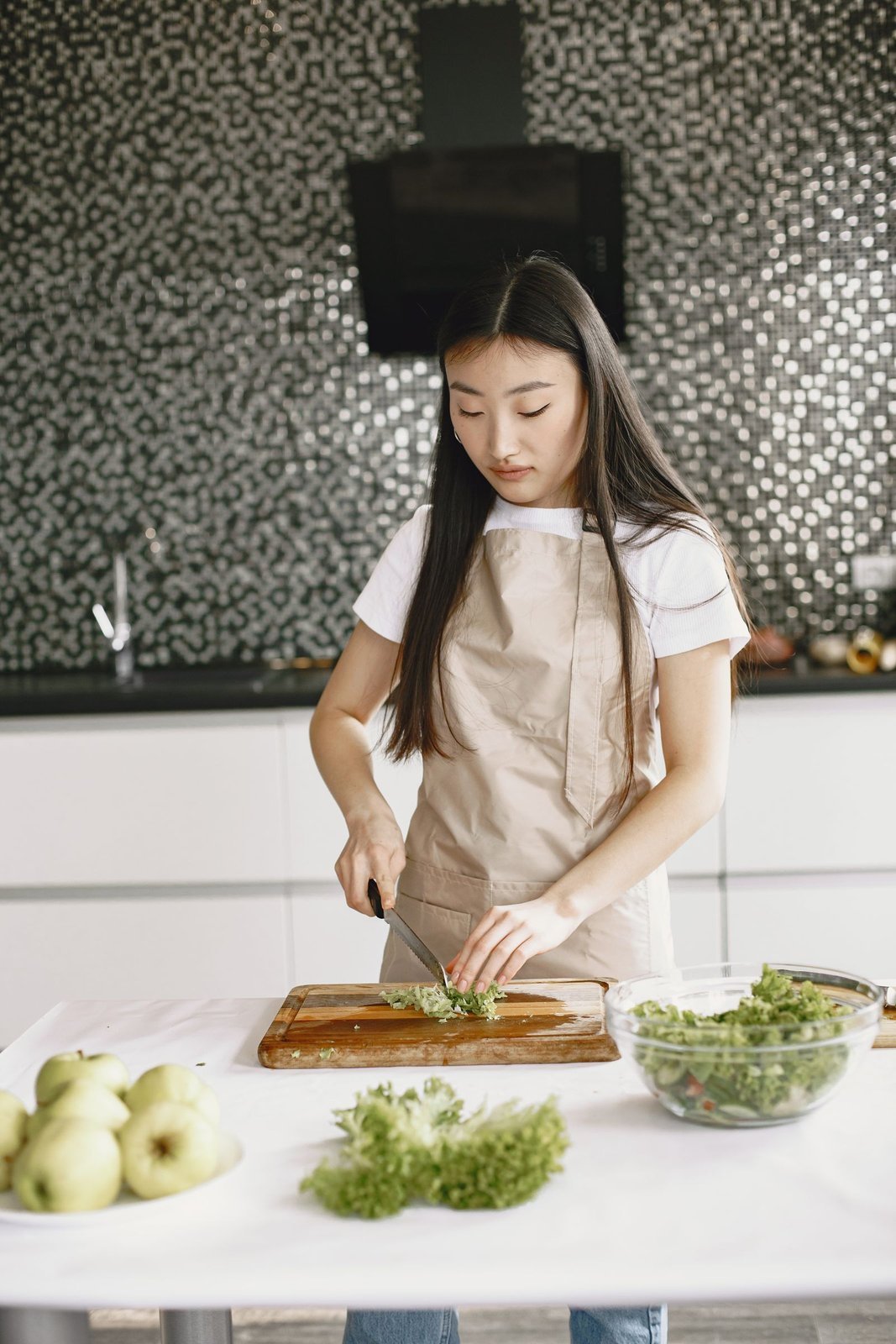
The test is simple: when guests arrive, you should still have a rectangle of counter for a platter or a stack of plates. If you cannot, the menu asked for more prep than the room can hold. Next time, move one job earlier, or serve one fewer cooked side.
Where coats and drinks go
In a small apartment, coats and bags will land on the dining chairs or the only sofa if you do not give them a destination. That is how a four-person dinner loses two seats before it starts.
Pick one place that is not the worktop and not the table you plan to eat at. A hook or rail you already have by the door is enough. If you do not have one, a chair in the bedroom, a cleared end of the bed, or a hanger on a closet rail will do for one evening. You do not need new hardware, and you should not start a renovation for a dinner. The point is that coats leave the eating zone.
Drinks need a similar decision. A tray on a side table, a cleared corner of a bookcase, or a folding surface you already own is better than bottles beside the chopping board. Guests who pour in the prep zone will stand in the cook’s only path. Set out glasses, water, and whatever you are serving, then leave the kitchen to the food.
This is an evening arrangement, not a new entry system. You only need a temporary landing that keeps the table free.
A table, or a coffee-table setup
You do not have to create a dining room. You have to decide where plates will actually sit, and then clear that surface before you cook.
If you already have a small dining table, use it. Wipe it, give each person a place for a plate and a glass, and resist decorating it so heavily that the food has nowhere to land. Choosing and placing that table is a separate problem; this evening you are only using the one you have.
If you do not have a dining table, a coffee-table setup can work for a few guests. Use trays so bowls and glasses have a stable base, and give people a sofa or cushions you already own. Keep hot pots on a trivet or a board, not directly on a low table that will be bumped. A cleared desk or the kitchen counter with stools can also serve, as long as the cook can still reach the stove and the path to the door stays clear.

Match the number of seats to the number of people. A borrowed folding chair is fine; surrounding a tiny table with furniture you then cannot move is not. Leave a walkway to the kitchen and the exit. You are hosting a dinner, not filling the room for a photograph.
Cleanup that leaves the sink usable overnight
A small kitchen does not have a second sink to hide a late shift. If you leave a full basin and a crowded draining board overnight, breakfast starts in last night’s washing-up.
Do a little cleanup while food is in the oven or simmering. Wash the board, knife, and mixing bowl, and put them away so you keep a landing zone for serving.
After you eat, pack leftovers promptly instead of leaving pans on the hob “until later.” How to pack, label, and fit those leftovers in a tight fridge is already covered in How to Store Leftovers in a Small Kitchen. The hosting job is simply to get food out of the cooking pans so those pans can be washed.
Then deal with the plates and pans the same evening. You do not have to finish every utensil before guests leave, but the sink should not be left as a soaking tank. Wash the main set, or wash the pans and stack rinsed plates so the basin is empty. If you use a rack, leave the faucet reachable. A wider look at racks belongs in Best Dish Drying Racks for Small Kitchens: What Fits a Tight Sink, and the washing method itself is in How to Wash Dishes in a Small Kitchen Without a Dishwasher. This close-down is only about ending the dinner so the kitchen still works.
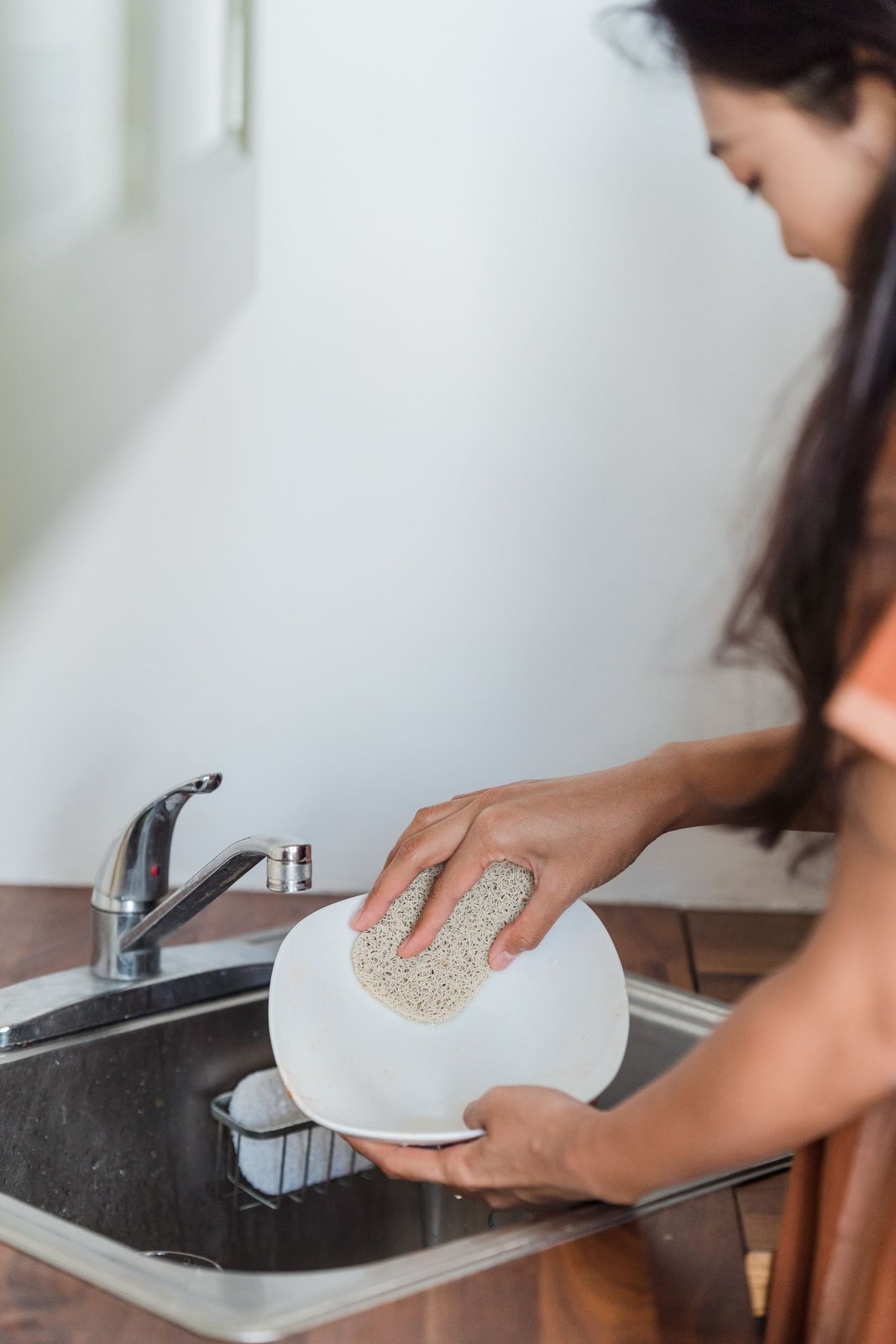
Wipe the table or coffee table, take out the trash if the can is full, and move coats so the room can be lived in again. The test is whether you can fill a kettle without moving a stack of pans.
A hosting checklist for a small apartment
Use this on the day you cook for a few guests:
- The menu uses one or two burners, plus the oven or one compact appliance I already own, and one dish that needs no heat at the end.
- I have a landing stretch of counter, and chopping tools go away when that job is finished.
- Coats, bags, and drinks have a home that is not the dining chairs or the worktop.
- Plates have a decided table or a stable coffee-table setup, with a path to the kitchen and the door.
- Leftovers are packed, the main pans and plates are washed or cleared from the basin, and the sink is usable before bed.
How to choose—and how to apply it
The calm way to host a dinner in a small apartment is to scale the plan to the room. Pick food that can cook on one or two burners plus the oven or a compact appliance, and time the prep so the only counter is still there when you plate. Put coats and drinks somewhere other than the eating surface. Use the table you have, or a tray-based coffee-table setup, and leave a path through the room. Close the kitchen the same evening so the sink is empty enough to use. You need a menu that fits the heat you have, a timeline that protects the worktop, and a close-down short enough that breakfast is still possible.
FAQ
How do you host a dinner in a small apartment without a dining room?
Decide where plates will sit before you cook—your small table, a coffee table with trays, a cleared desk, or the kitchen counter with stools you already have. Clear that surface, give coats a home that is not the chairs, and keep drinks off the prep counter. Leave a walkway to the kitchen and the door. You are arranging one meal, not creating a dining room.
What should I cook if I only have one or two burners?
Choose a menu with one hands-off element in the oven or a compact appliance, one attended pot or pan on the hob, and something cold to assemble at the end. A tray roast with a pot of grains and a salad is a typical pattern. Avoid any plan that needs three pans in the last twenty minutes.
How early should I start cooking for a few guests?
Work backward from serving time. Clear the counter earlier in the day, chop about two hours ahead and put the tools away, start the oven or a one-pot dish about an hour ahead, and save the last short cook for the end. The aim is not to start at dawn; it is to avoid a last-hour pile-up on the only worktop.
Where should guests put coats and drinks in a tight apartment?
Use a hook, rail, or a chair or cleared bed in another room so coats do not take the dining seats. Put drinks on a tray or a side table, not beside the chopping board. Guests should be able to pour a glass without standing in the cook’s only path.
Do I have to finish all the dishes before I go to bed?
You should not leave the sink unusable overnight. Wash the main pans and plates the same evening, or rinse and stack them so the basin is empty, and keep the faucet reachable. Leftovers should be packed rather than left in cooking pots. A full soaking tank until morning is how breakfast starts in last night’s dinner.


