Best Privacy Window Film for Rental Apartments
Many renters need privacy on a ground-floor or close-facing window without giving up all the daylight, and without leaving a sticky mess at move-out. The best privacy window film for rental apartments is the film that does that job in the daytime, comes off later without wrecking the glass, and does not pretend to be a lock, a blackout curtain, or a miracle one-way mirror. If a facing window is only a problem at sitting height, you may only need film on the lower sash. If the issue is a bathroom that faces a walkway, you will probably want every pane covered, still with a way to open the window.
There is no ranked list in this guide, and no invented test score. “Best” means choosing a finish, a removable method, and an honest expectation about night-time views. Good enough is a pane that is harder to see through in daylight, with a removal plan you can actually finish. If a listing promises total one-way privacy at all hours, treat that claim with caution and test it yourself on one pane before you cover every window in the apartment.
Decide what kind of privacy you need, by room and by time of day
Start with the room, not with a product name. A bathroom often needs more daytime privacy than a living room, because people walk past at closer range. A living room may only need to break a direct view from a facing window, while still letting in a lot of light. A bedroom can use film for daytime privacy, but film will not make the room dark enough to sleep, and it should not replace Best Blackout Curtains for Renters: How to Choose Without Damaging Walls or How to Make a Bedroom Dark Enough to Sleep in a Bright Apartment.
Measure each pane, not the whole window as a single rectangle. Note the width and height inside the frame, any locks or handles that sit on the glass, and whether the sash opens. Write the measurements down, and measure twice if the panes are not the same size. Cut or order film slightly smaller than the glass if the maker recommends a margin, so you are not wrapping adhesive around the edge of a rental frame. A slightly short piece is easier to live with than film that wraps onto painted wood or a rubber gasket you may not be allowed to cover.
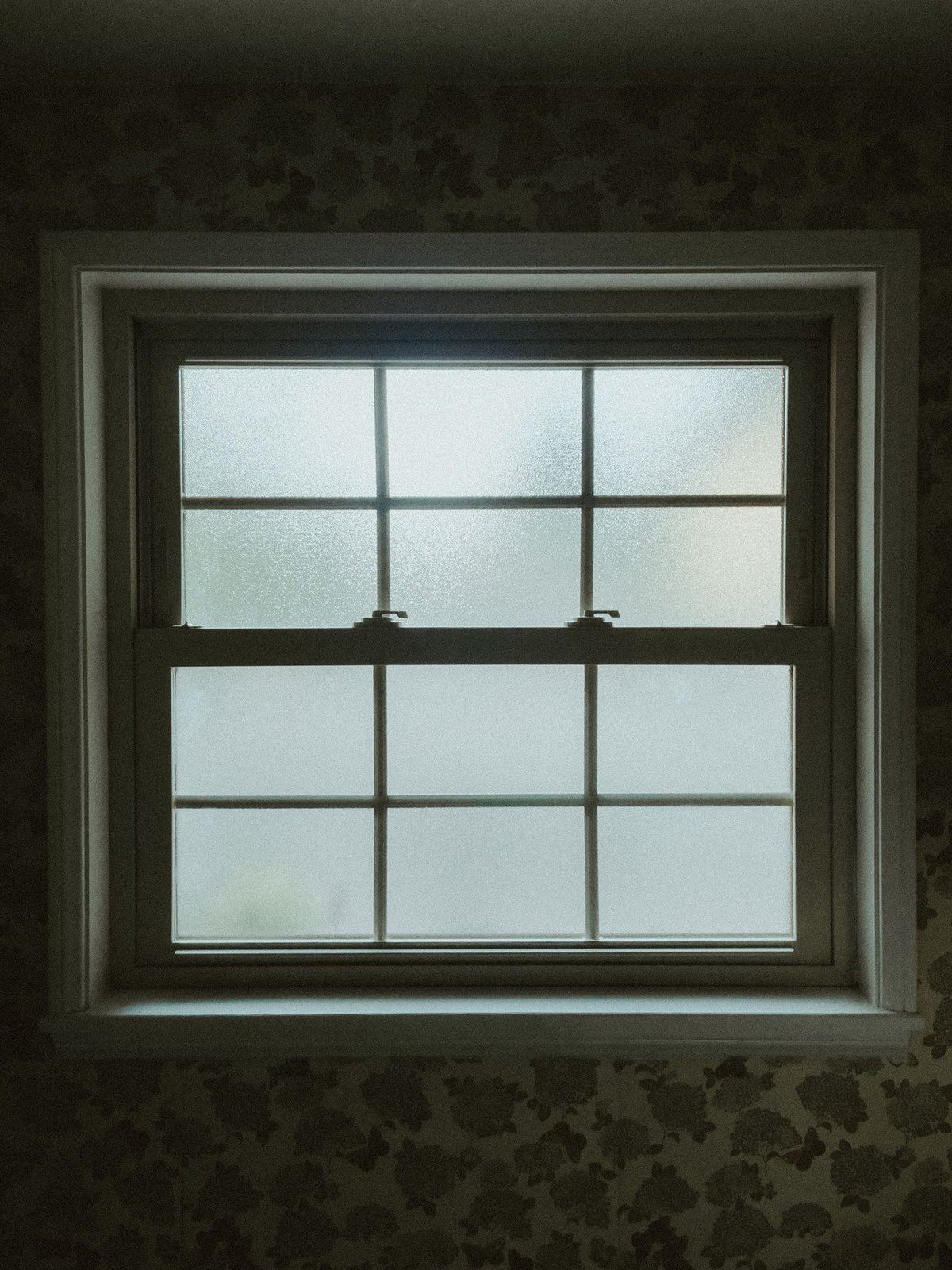
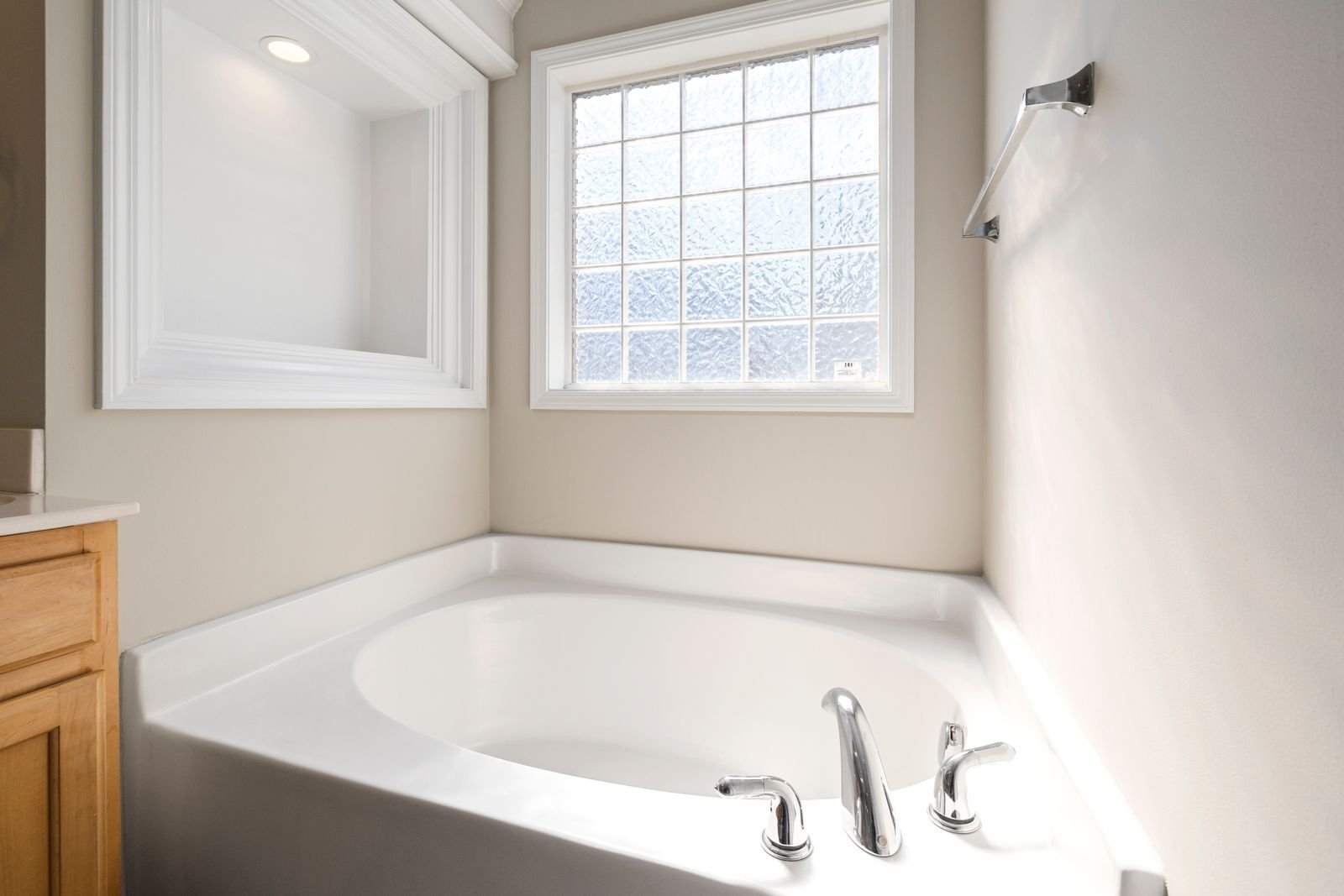
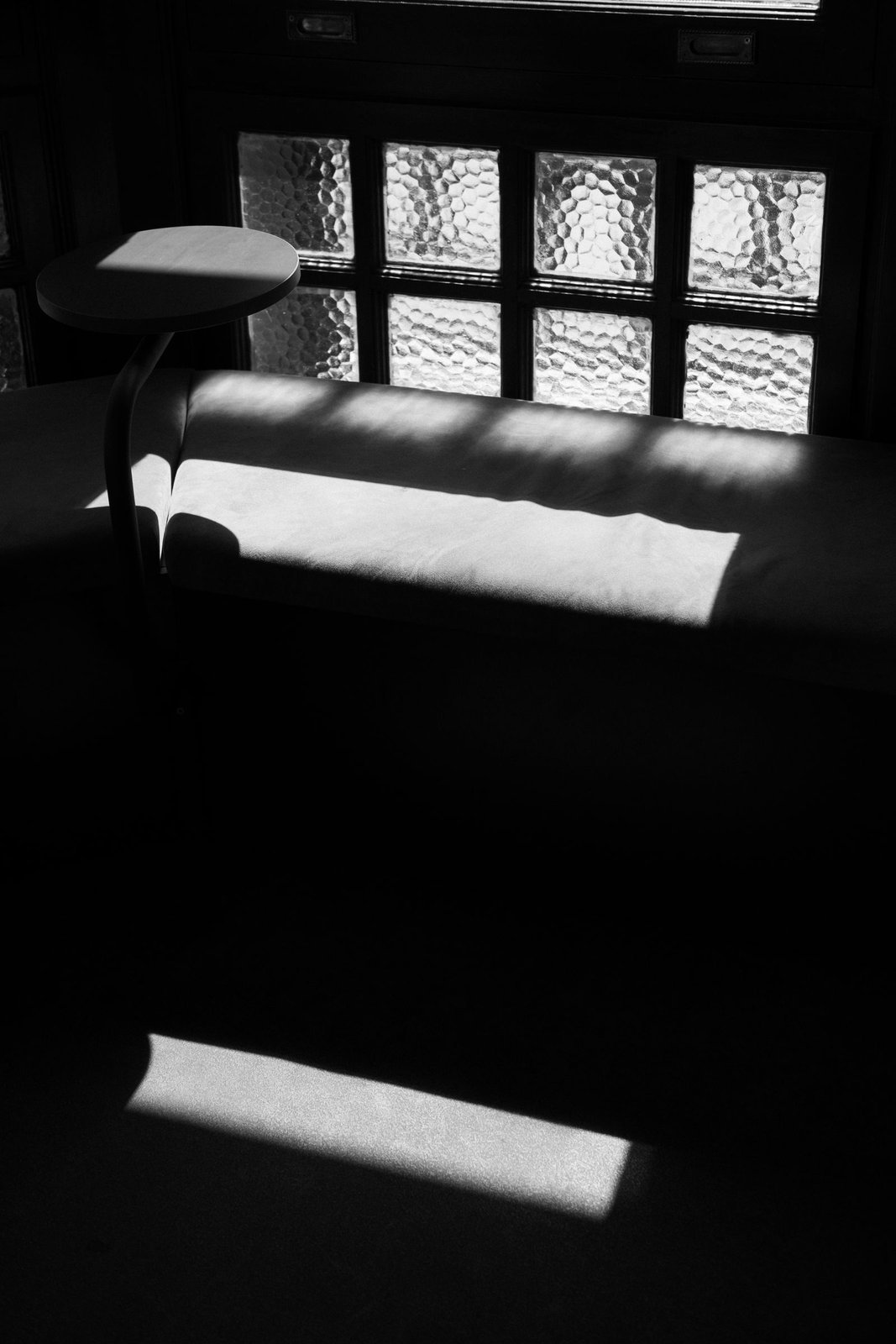
Frosted film is the usual starting point: it blurs a view while still passing a lot of light, and it is easier to live with than a heavy pattern. Patterned film can add a decorative look, but a busy pattern may feel louder in a small room and may be harder to match on several panes. So-called one-way or mirrored film needs an honest warning: the effect depends on the lighting. In daylight, with a brighter exterior, it can reduce the view in. At night, when your lamps are on and the street is dark, it often fails, and a silhouette can show clearly. If evening privacy matters, plan a curtain or a shade as well, using How to Hang Curtains in a Rental Apartment rather than hoping the film will do both jobs.
Film also does not make a dark apartment darker on purpose, and it should not be your only way to brighten a gloomy room. If the space already feels cave-like, see How to Make a Dark Apartment Feel Brighter before you cover every pane with a heavy frosting.
Static-cling versus adhesive, and the deposit risk
For a rental, removal is part of the purchase. Static-cling film, sometimes called removable cling, is often the safer starting point because it usually goes on with soapy water, can be lifted and reset, and is less likely to leave adhesive on the glass. It can lift at the corners in a very steamy bathroom or in strong heat, so you may need to reseat an edge, but that is easier than fighting leftover glue at move-out. In a very humid bathroom, check the edges after the first week of showers and press them back while the glass is clean and slightly damp, as the maker allows.
Adhesive film can look more finished and may stay flatter for longer, but leftover adhesive and heat can risk a deposit. Sun on a south-facing pane, a tight frame, or a long tenancy can make some adhesives harder to remove. If you choose adhesive, buy a product clearly described as removable, follow the maker’s temperature and dwell-time notes, and test a corner first on an out-of-the-way pane. Leave that test piece up for several days, including a sunny afternoon, before you commit the whole window. Do not bake the film with a high-heat tool to “set” it unless the maker says to, and do not assume a hair dryer on a high setting is harmless on a coated rental window.
Clean the glass before you apply anything. Dust, old film, and dirty tracks will show under a new sheet and can keep cling from holding. How to Clean Windows and Window Tracks in a Rental Apartment is the cleaning habit to do first, so you are not trapping grit under a new layer.
Application should stay gentle. Wet the glass if the maker says to, smooth from the center out, and trim with a method that does not gouge the glass or the frame. If a bubble will not move, lift that area and reset it rather than scraping hard. This is a renter décor task, in the same spirit as How to Decorate a Rental Apartment Without Damaging Walls: the test is whether you can reverse it.
What film cannot do
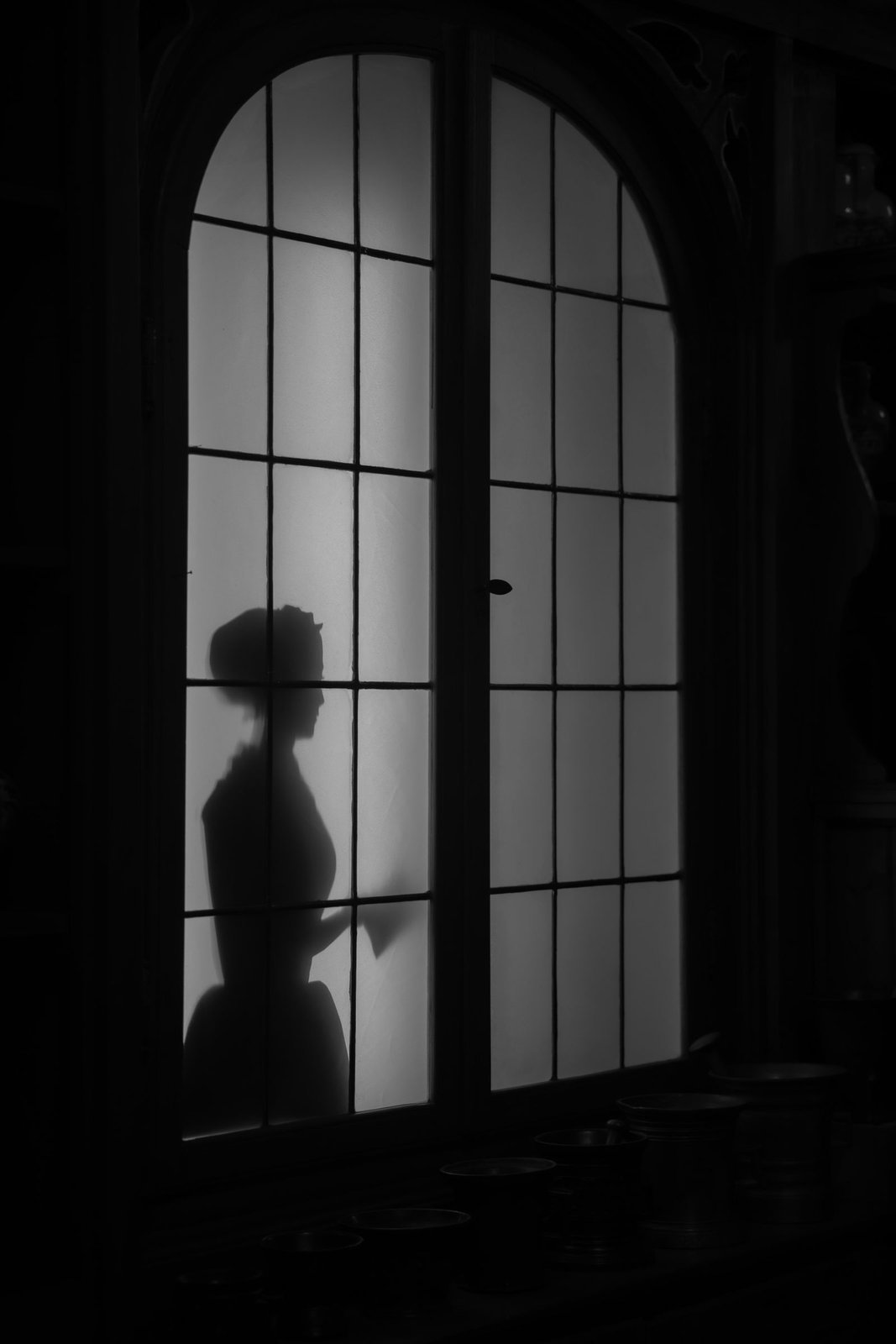
Film is not a lock, and it does not make a window secure. A person outside can still see a silhouette at night through many films, and no film turns a pane into a barrier. Keep your usual window locks, and do not treat frosting as a safety upgrade. If a ground-floor sash is easy to reach, film is only a privacy layer; the lock and the way you leave the window at night stay the same.
Film is also not a blackout. It will not replace a curtain stack if you need darkness, and it is not a substitute for Best Draft Stoppers and Window Insulation Kits for Rental Apartments if your real problem is a draft or winter heat loss. Some films claim a light solar benefit, but this guide will not invent energy savings. If you need a window air conditioner in the same opening, measure carefully and confirm that film on the glass will not interfere with a unit or a side panel; Best Window Air Conditioners for Small Apartments is the cooling guide, and the film should not be an obstacle you forgot to plan for.
A test corner answers more than a product description. Live with a small piece for a few days, including one evening with the lamps on, and look at the pane from outside if you can do so safely and without bothering neighbors. Try the test at the time of day that actually worries you, not only at noon. If you can still read a face at night, you need a curtain, not a second layer of optimistic one-way film.
Putting it on, living with it, and taking it off
Once a test corner works, work pane by pane. Keep spare film for a mistimed cut, and do not stretch a short piece to cover a lock or a warped corner. Do one pane, step back, and check it in daylight before you start the next. In a bathroom, leave clearance around a sash you open for ventilation, and check the cling after a hot shower. In a living room, leave at least one clear pane if you want a view and only need to break a sightline at sitting height; some renters film the lower sash and leave the upper one clear. If a pane has a deep scratch or a failing seal, mention that to the building before you cover it, so the film is not blamed for an older problem.
Heat and leftover adhesive are the move-out risks. When you remove film, work slowly, at the temperature the maker recommends, and pull at a low angle. Have a trash bag ready so sticky pieces do not land on a painted sill. If adhesive remains, use only a remover or method the film maker and your lease allow, and stop if the glass looks scratched or the frame finish starts to lift. It is better to leave a stubborn corner and ask the building for advice than to gouge a pane. Save the product label until you move out, so you can follow the same removal notes you used at installation.
Skip film that is described only as permanent, skip cheap adhesive with no removal notes, and skip covering a bedroom window in the hope that it will go dark at night. Skip using film as an excuse to stop locking a ground-floor sash. Also skip stacking two different films on the same pane to “fix” nighttime visibility; that usually looks worse and is harder to remove.

Good enough is a removable film that adds daytime privacy, still lets in a useful amount of light, and comes off without a fight, with curtains ready for the evenings when so-called one-way film fails. If you cannot take a test piece off cleanly, do not cover the whole window. Keep a simple evening curtain on a hook or tension rod for the hours when indoor lighting works against the film, and take that extra curtain down only when you no longer need the evening cover. That is a rental buying decision, not a security system and not a blackout plan.
FAQ
Will privacy window film stop people from seeing in at night?
Not reliably. Daytime privacy is not the same as nighttime privacy. When your lights are on and it is dark outside, a silhouette can show through many films, including some sold as one-way. Use curtains or a shade if you need evening privacy.
Is static-cling film better than adhesive film in a rental?
Often, yes, as a starting point. Cling film is usually easier to remove and is less likely to leave adhesive on the glass. Adhesive film can look more finished, but leftover glue or heat damage can risk a deposit if it is poorly applied or left too long.
Can I use privacy film to black out a bedroom?
No. Film is not a substitute for blackout curtains or a plan to darken a bright bedroom. It may cut glare and add daytime privacy, but it will not make a room dark enough to sleep.
Does privacy film make a window more secure?
No. Film does not replace locks, and it does not turn glass into a security window. Treat it as a privacy layer only, and keep your usual window locks and habits.
How do I avoid damaging the glass when I move out?
Start with a small test corner, follow the film maker’s removal instructions, and work slowly. Avoid harsh scraping on tempered or coated glass. If adhesive remains, use only a method the film maker and your lease allow, and stop if the glass or frame looks at risk.