How to Reheat and Serve Holiday Leftovers in a Small Kitchen
The holiday meal is over. In a small kitchen, leftover work starts here: the fridge is at its fullest, the counter still holds a roasting pan, and it is easy to dry out good food—or leave it sitting because there is nowhere to work. Learning how to reheat and serve holiday leftovers in a small kitchen is a day-after, same-weekend skill, not a second cooking day.
Good enough is modest: leftover food becomes one or two easy meals, not a restaurant reset that uses every pan you own. Yesterday you may have followed a plan like How to Cook a Holiday Meal in a Small Apartment Kitchen. Today the job is smaller: make space, check what is still worth eating, reheat in a sensible order, and get a plate on the table without blocking the sink.
Start with a clear-out, not a second cook
Do this the night of the meal if you still have energy, or first thing the next morning before you start improvising. The point is not to deep-organize the fridge. It is to get leftover food out of open pans, free a short stretch of counter, and make tomorrow’s reheating possible.
Work in a tight order so the kitchen does not stall:
- Move drinks, ice buckets, and extra glasses off the main work counter. If you set up a holiday drinks area, take it down far enough that a pot and a plate can sit side by side; How to Set Up a Drinks Station for Holiday Guests in a Small Kitchen is the setup guide, and this is the takedown.
- Get leftover food into closed containers or covered dishes you already own. Packing and stacking those containers is a separate skill; use How to Store Leftovers in a Small Kitchen rather than turning this clear-out into a container project.
- Make one fridge shelf or door zone the leftover zone so you are not hunting behind condiments later. A fuller system lives in How to Organize a Small Apartment Fridge; right now you only need a visible place for tomorrow’s food.
- Soak or wash the roasting pans once the food is put away, so they are not still colonizing the sink at breakfast.
You do not need a perfect fridge. You need to see what you have and to set down one pan without moving a stack of platters.
A conservative safety pass, then simple labels
Before you plan any leftover meal, do a plain safety pass. HomeRivr stays conservative here: when in doubt, throw it out. Do not taste food you already suspect is off, and do not talk yourself into saving a tray that sat out on the counter for a long stretch after dinner.
Use judgment, not a memorized chart you cannot verify in the moment. Food that was left out too long, smells or looks wrong, or has been sitting in a warm, uncovered pan should go, as should leftovers you cannot confidently identify after a busy hosting night.
This article is not a food-waste system. If you want a broader plan for using food up over a normal week, see How to Reduce Food Waste in a Small Kitchen. For holiday leftovers, the kind choice is sometimes the trash, not a heroic soup.
Once you know what you are keeping, add simple labels: the name of the food and the day it was cooked or put away. A piece of tape on the lid is enough. Labels help roommates and tired hosts, and they keep you from reheating the same container twice.
Match the food to a reheat method that fits the counter
In a small kitchen, the method matters as much as the food. You usually have one free burner, a short landing space, and maybe a toaster oven or microwave competing with the kettle. Choose one main heat source for the meal, not three appliances running at once.
Stove. Moist or saucy leftovers often do well in a lidded skillet or saucepan: gravies, stews, cooked vegetables, leftover grains, and sliced meat warmed in a little broth or pan juices. Use a pan you can also serve from if you want to skip a second dish, keep the heat moderate, and stir so the food heats evenly.

Toaster oven. A toaster oven is useful for dry heat without a full oven: a slice of baked casserole, leftover rolls, roasted vegetables, or a small gratin. Use an oven-safe dish that fits with space around it, and cover loosely with foil if the top browns before the center is hot. This is leftover reheating, not everyday oven cooking; see How to Use a Toaster Oven as Your Main Oven in a Small Apartment. Do not crowd it with a huge roasting pan.
Microwave. The microwave is fastest for a single plate or a small container of moist food, and often the least disruptive option when you do not want another pan in the sink. Use a microwave-safe dish, leave the lid slightly vented, and pause to stir so cold spots do not linger. Reheat until the food is steaming hot throughout, then serve.
Cold plate. Some leftover foods are better served cold than forced through a second heat: cooked vegetables that still taste good, cheeses, certain salads, cranberry sauce, pies, and leftover bread or rolls beside a bowl of soup. A cold plate is also the right call when the kitchen is too crowded to run another appliance.
A baked casserole in a glass dish can go from the fridge to a toaster oven or a conventional oven, then be portioned onto plates. It should not become a new baking project; How to Bake in a Small Apartment Kitchen is the cooking-day method, not the leftover plan.

A reheat order that keeps a small kitchen calm
The easiest way to dry out leftover food, or to trap yourself behind hot dishes, is to heat everything at once. Pick a main item and one or two sides. Everything else can stay cold, be served at room temperature if it is still safe and palatable, or wait for tomorrow.
A practical order for many holiday leftovers:
- Get the main item going first if it needs the longest, gentlest heat—sliced meat in a covered skillet, a stew, or a casserole already in an oven-safe dish.
- Warm one starch or vegetable in the same pan if it can share the moisture, or in a second small pot if you truly need it hot.
- Use the microwave only for a single leftover that does not fit the first pan, not as a second full cooking station.
- Plate as soon as the food is hot. Do not hold leftover meat in a pan on a low burner while you tidy the whole kitchen.
If you hosted a sit-down meal the day before, this is a different job from How to Host a Dinner in a Small Apartment. You are feeding yourself, a partner, or a leftover guest or two—not resetting the table for a second party. Keep raw items far from ready-to-eat leftovers, and wash the board or spoon that touched the leftover package before you serve from it. This is ordinary kitchen hygiene, not medical advice.
Serve without using every dish you own
A small kitchen loses the day when leftover food moves from a container into a saucepan, then onto a serving platter, then onto plates. Aim to reheat in the dish you can serve from, or to plate directly from the pan.
- Reheat only what you will eat at this meal. Repeated heating of the same container clutters the sink and is harder on the food.
- Use lids, a splash of broth or water, or a loose foil cover so leftovers do not dry out in a thin pan on a small burner.
- Set out plates and utensils before the food is hot.
- If you do not have a dining table, plate in the kitchen and carry finished plates to where you actually eat.
- Wash or soak the reheat pan as soon as you have plated. One pan in the sink is manageable; a leftover serving buffet is not.

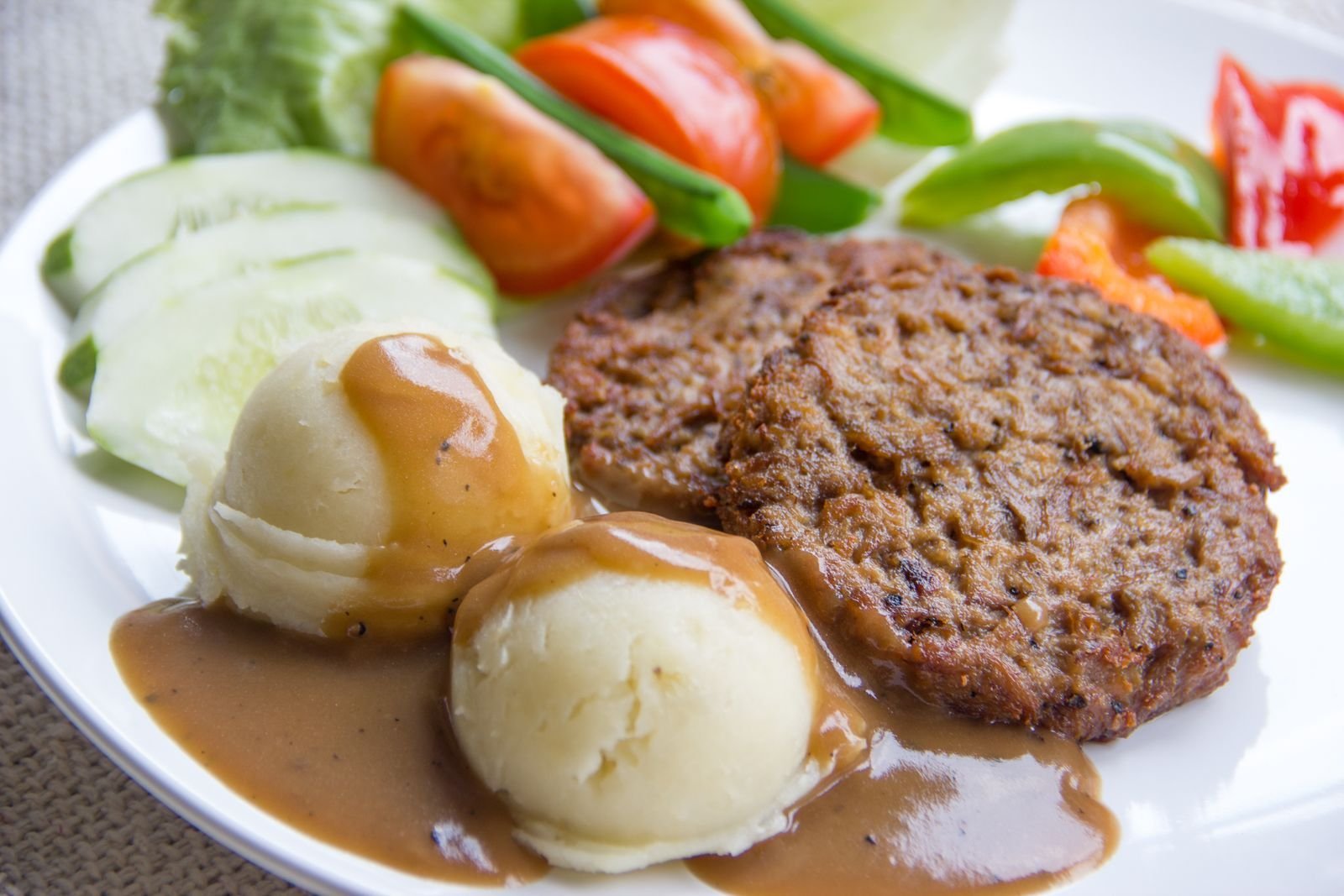
A plated leftover meal can be plain and still feel complete: a portion of the main dish, one hot side or a simple salad, and a cold condiment that already tastes good. You are not obligated to reheat every side from the holiday table.
A simple plan for one or two easy days
You do not need a week of leftover menus. Give yourself a short plan and then stop.
- The first leftover meal is the most straightforward: reheat the main item and one side, and serve a cold item from the fridge.
- The second meal can be a remix only if it stays simple—sliced leftover meat on bread, leftover grains warmed in a skillet, or a soup from already-cooked pieces without a new grocery list. If the remix needs a long shop or a sink full of extra bowls, skip it and serve the food more plainly.
- After those meals, stop inventing new dishes. Eat what is still clearly good, or freeze only if you already have freezer space and containers you trust.
Write the two meals on the leftover labels or on a note on the fridge, so you are not opening five containers at 7 p.m. and heating all of them. If guests are still in the apartment, tell them what is for the leftover meal and when you plan to eat.
How to apply it
To reheat and serve holiday leftovers in a small kitchen, start with a clear-out and a conservative safety pass, label what you keep, and choose one main heat source. Warm a main item and at most one or two sides, plate from the pan when you can, and stop after a couple of easy meals.
A leftover meal that fits the kitchen you have will always beat a reset that asks the kitchen to cook the holiday again.
FAQ
What should I reheat first after a holiday meal?
Start with the main leftover that needs gentle, even heat, such as sliced meat in a covered pan, a stew, or a casserole in an oven-safe dish. Warm one side if you need it hot, and serve other items cold when they already taste good that way.
Is it better to use the stove, a toaster oven, or a microwave?
Use the stove for moist or saucy food you can stir, a toaster oven for a small baked dish or something you want to keep drier on top, and a microwave for a single plate or small container of moist food. Choose one main method so a small counter does not fill with hot pans.
How do I keep leftover food from drying out in a small kitchen?
Reheat only what you will eat now, use a lid or loose cover, and add a splash of broth or water to meats and grains. Plate as soon as the food is hot instead of holding it in a thin pan.
What if I am not sure a leftover is still good?
Throw it out. Do not taste food you already think is off, and do not keep a pan of food that sat out too long after the meal. A conservative pass is the right call in a tight kitchen.
Do I need to turn leftovers into new recipes?
No. One or two plain leftover meals is enough. A simple remix is optional and only worth it if it uses what you already have and does not create a second sink full of dishes.