How to Chill Drinks for Holiday Guests Without Crowding the Fridge
Holiday food has a short list of places it can safely sit. A case of cans does not. If you need to chill drinks for holiday guests without crowding the fridge, the job is to keep beverages cold in a separate zone so the only refrigerator stays available for the turkey, the sides, and the leftovers you will pack later. Stuffing the food fridge with drinks is convenient for about ten minutes. Then the door stays open while people hunt for a soda, and the dish that actually has to stay cold loses its shelf.
This is not a second food fridge, and it is not a styled drinks station. It is a plan for cold drinks that leaves the kitchen refrigerator alone. In a US or UK apartment, “good enough” is simple: guests can pick up a cold drink, and the holiday meal still has fridge space.
Keep the fridge for food, not the drink case
Drinks are bulky, they get opened first, and they do not need the same kind of cold storage as a platter of leftovers. A twelve-pack on a shelf looks harmless until you add mixers, juice, and the sparkling water someone brought. The door rack fills, a tray of sides gets stacked at an angle, and every guest visit to the fridge is a long look with the door wide open.
Use the main fridge for food. If your shelves are already tight, organize what is already there rather than adding a beverage cave. How to Organize a Small Apartment Fridge is the everyday version of that edit: leftovers in clear containers and enough landing space to take a dish out without a shuffle. The same logic applies on a holiday, only more so.
A temporary overflow cold zone is a different tool. How to Set Up a Temporary Overflow Fridge Zone for a Holiday Meal in a Small Apartment is about extra cold space for food when one fridge cannot hold the whole meal. Do not fill that overflow zone with soda, and do not take perishable dishes out so the drinks can move in. HomeRivr’s conservative line is plain: perishable dishes belong in the fridge, and drinks can go elsewhere. This guide does not invent a number of hours that food can sit out.
The same fridge still has to take leftovers when the meal is over. How to Store Leftovers in a Small Kitchen and How to Pack Leftovers for Guests to Take Home From a Small Kitchen only work if the shelves are not already a wall of cans.
Give drinks their own cold zone
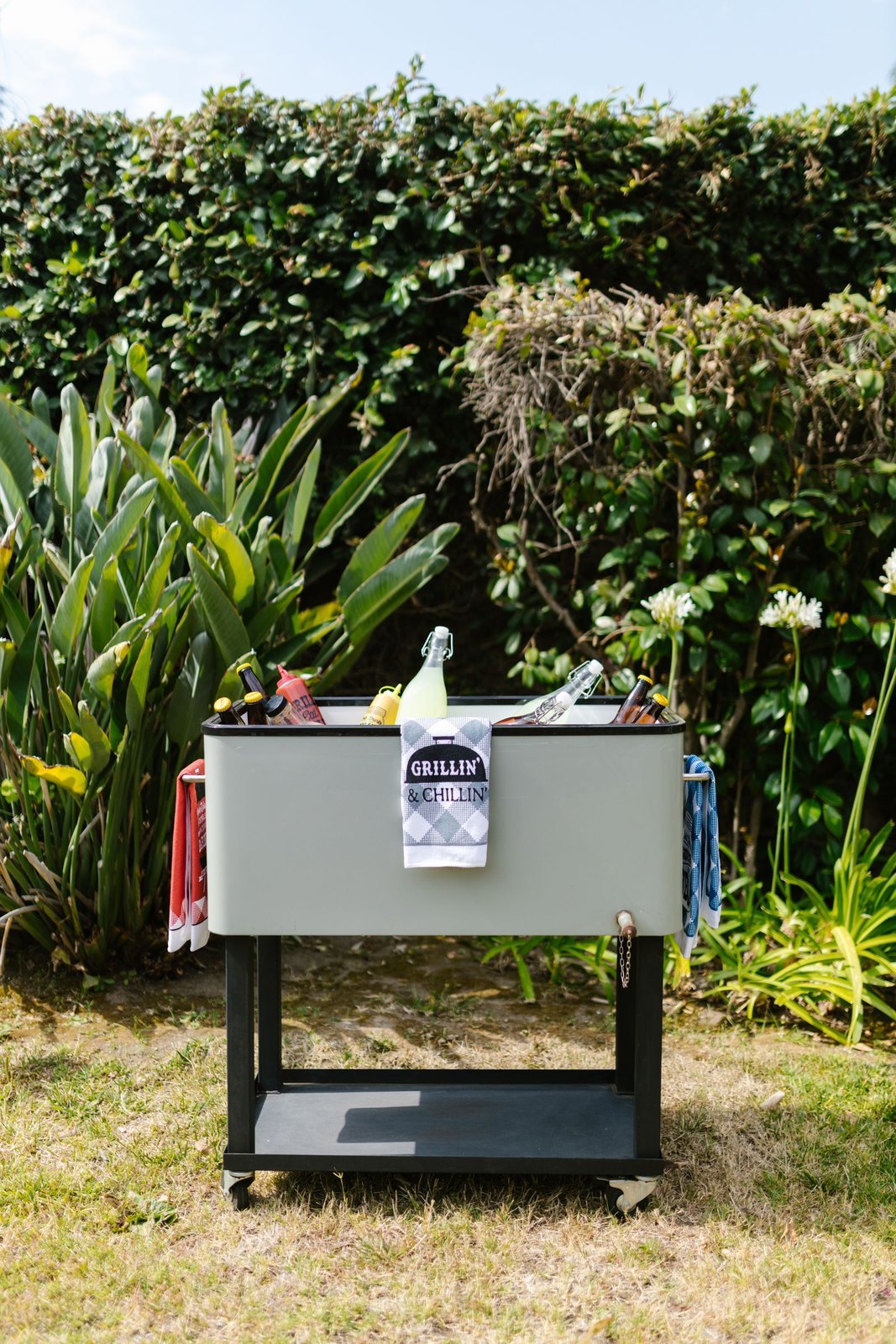
A cooler or a tub with ice is the whole system for most apartments. You need a vessel that holds ice and cans, a place you are allowed to put it, and a way for guests to reach it without walking through the cook’s workspace.
Good locations, in roughly this order:
- A balcony or stoop, if you have one and the cooler will sit stably.
- A cold stairwell landing only if you are allowed to use it and the tub will not block a path or a door.
- A low table, bench, or a folded towel on the floor by the entry, away from a heater and out of the main walkway.
- A covered porch or a building courtyard only with the same permission and path rules.
Put a towel or a tray under a plastic tub so meltwater does not mark a rental floor. If the cooler has a drain plug, know where the water will go before the ice starts to melt. Keep the lid on when no one is serving so the ice lasts and the tub is less likely to be knocked over. This is ordinary household caution, not a complete outdoor-safety manual.
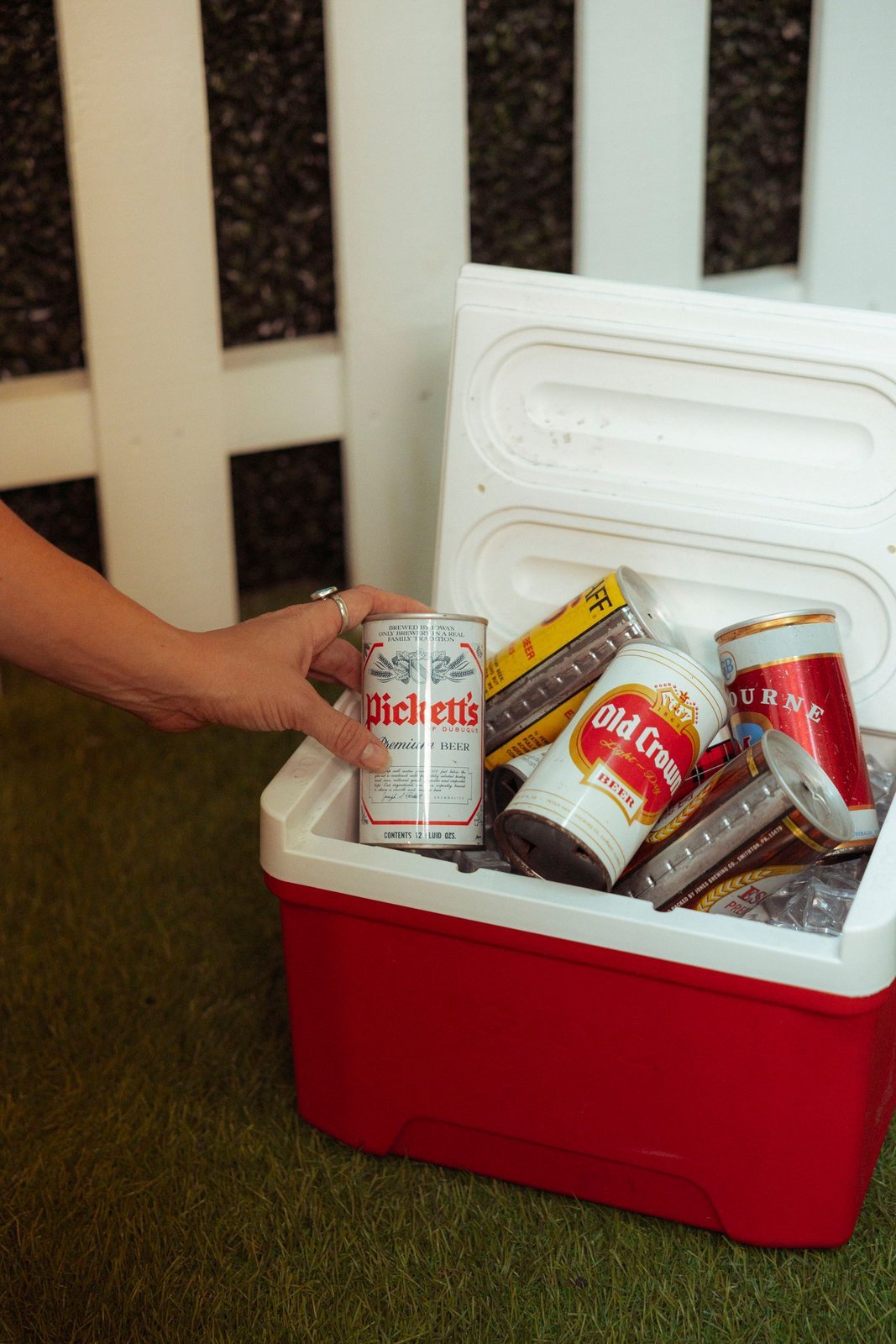
This cold zone is not the same thing as a drinks station. How to Set Up a Drinks Station for Holiday Guests in a Small Kitchen is about where people pour, find glasses, and leave empties. You can set cups, an opener, and a bag for recycling next to the cooler, but you do not need a full bar on the kitchen counter. The chilling happens in the tub.
Hot drinks are a separate lane. How to Set Up a Coffee Station in a Small Kitchen and Best Compact Coffee Urns for Small Apartment Gatherings cover the urn or carafe side of a gathering. Do not park the coffee service in the food fridge, and do not treat this article as a coffee-station rewrite.
Ice, frozen bottles, and rotation
You do not need to chill the entire case at once. Load a first wave of cans or bottles into the tub so they are actually surrounded by ice, not perched on top of a thin layer. Keep the rest in a closet, under a bench, or in the original packaging. As the first wave goes, add the next. Rotation uses less ice, takes less floor space, and still feels generous because the drink in someone’s hand is cold.
Frozen water bottles make excellent ice packs. Fill bottles most of the way, leave a little room for the water to expand, and freeze them ahead of time if you have freezer space. They chill the tub and you can drink the water later. A bag of ice from the shop works too. If you already own a compact ice maker, use it to top up the tub; if you do not, this is not the moment to shop for one. Best Compact Ice Makers for Small Apartments is the buying guide for that appliance, not this page.
A metal bucket, a clean storage tote, or a picnic cooler all work. A rolling cooler is handy if you can store it the rest of the year; a simple tub is enough for one holiday. Add enough ice that cans sit down in it, not just on it. If you are using a balcony in cold weather, the outdoor air helps, but still use ice or frozen bottles so the first drinks are cold when guests arrive.
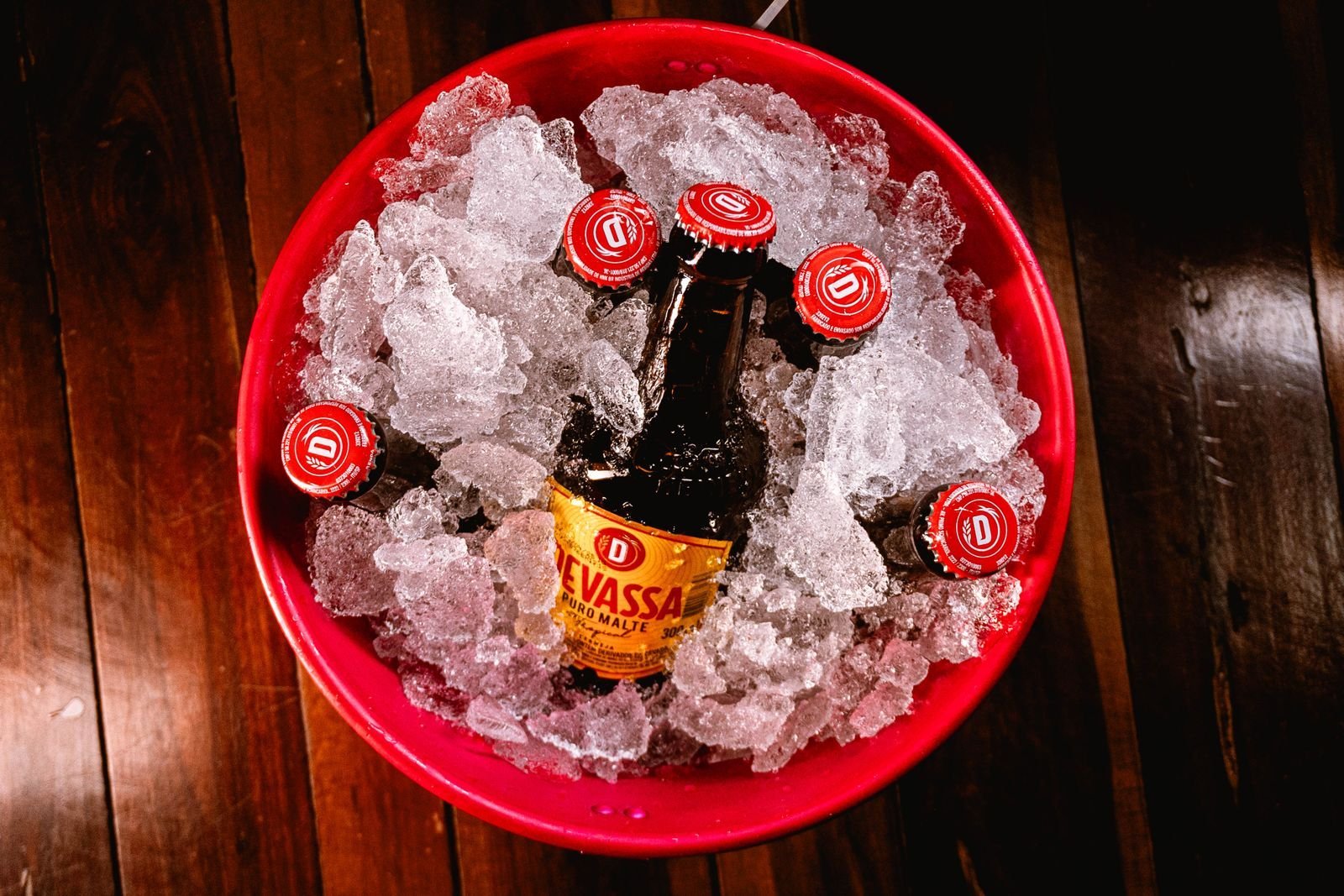
Refresh the ice if the remaining drinks feel tepid. Pour meltwater down the sink, and wipe the floor around the tub during a long gathering so a rental entry does not become a puddle.
A balcony, a landing, or a spot by the door
A small apartment often has more cold-adjacent space than it has fridge space. A balcony ice bucket sits outside the kitchen, is easy for guests to find, and does not compete with the oven. Use a stable table or a level patch of floor, keep the bucket away from the railing if wind is an issue, and bring it in when the gathering ends so a tub of water is not left outside overnight.
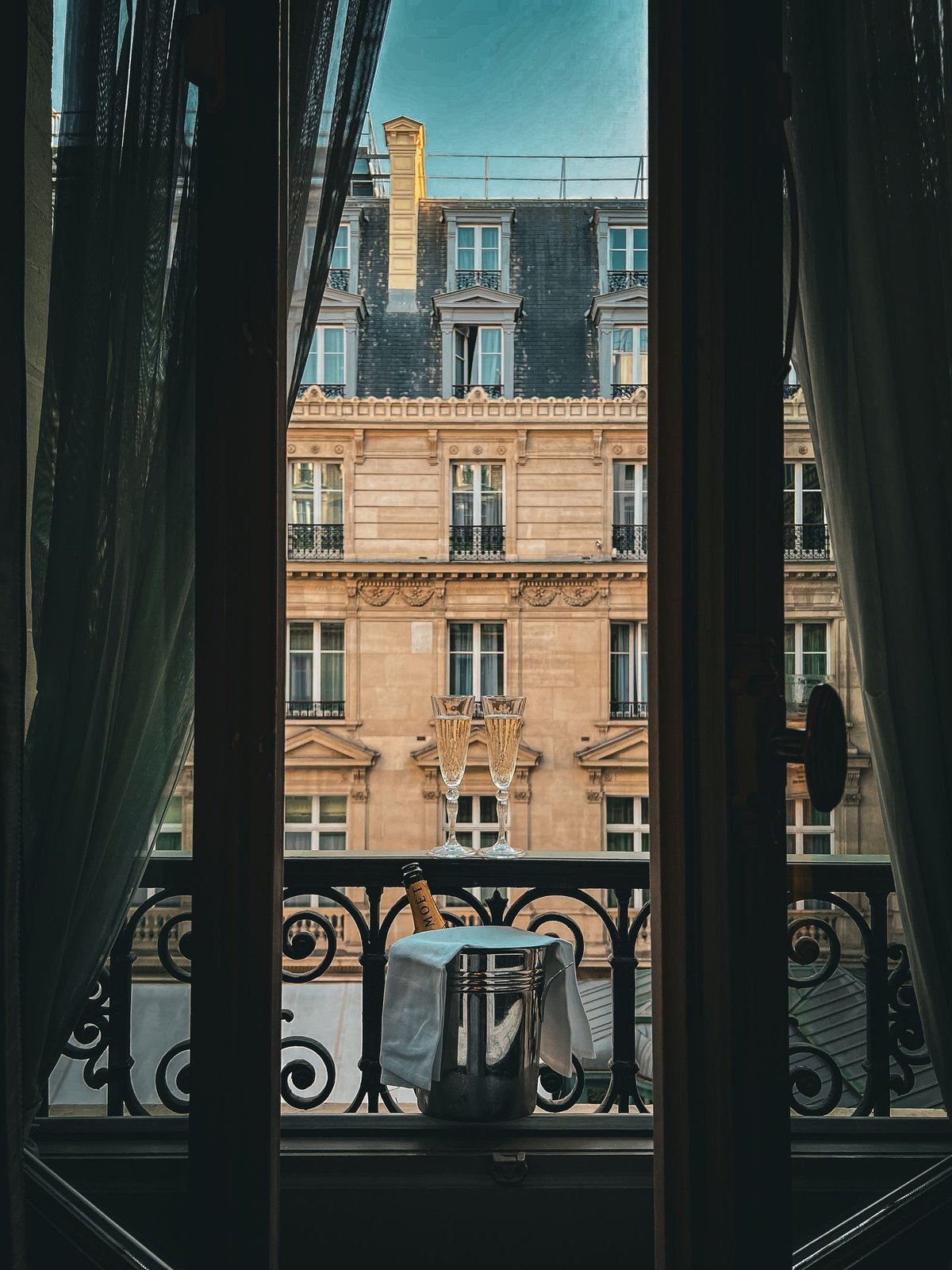
If you do not have a balcony, the entry is usually better than the kitchen. Guests can take a drink as they come in, and they are not opening the food fridge beside the cook. A stairwell landing can work only if you are allowed to use it and the tub will not block a path or a door. If the landing is shared, ask first. When in doubt, use your own entry.
A note that says “drinks are here” saves the fridge from becoming the default. Put a bottle opener and a bag or bin for empties next to the tub so cans do not migrate back onto the kitchen counter.
Use a mini fridge only if you already have one
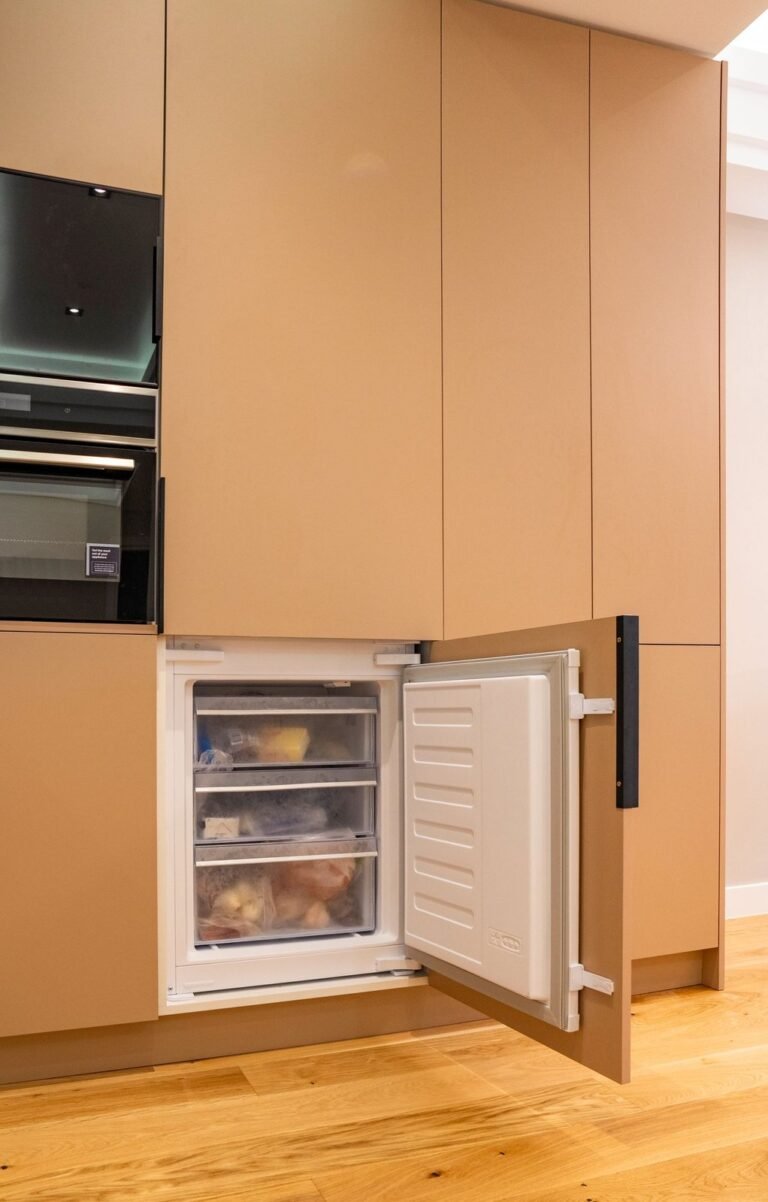
A mini fridge is a fine drinks fridge if it is already in the apartment. Move beverages into it and leave the kitchen refrigerator for food. Do not treat this guide as a reason to buy a second appliance. Best Mini Fridges for Small Apartments exists for that decision, including noise, heat, and where a compact fridge can sit safely.
If you use one you already own, give it a stable, ventilated spot and do not overload it. A few host drinks can also live on a door shelf of the main fridge. That is different from parking the whole case there. The test is simple: can you still see and reach the food?
What not to do
Do not take the turkey, the gravy, or a dairy-based side out of the fridge to make room for soda. Do not use the overflowing food fridge as a beverage cave. Do not block a hallway, a stair, or an apartment door with a cooler, and do not leave a tub where it can be knocked into a walkway. If you are unsure about a perishable dish, keep it in the fridge and move the drinks instead. This guide does not invent a rule about how long cooked food can sit out.
A plan you can set up the morning of the meal
The night before, freeze water bottles if you have room, and clear a square of floor or a balcony table. The morning of the gathering, set the tub on a towel, add ice, and load the first wave of drinks. Put the opener and the empties bag beside it, and tell the first guests where the drinks are.
You do not need a magazine patio. A tidy tub and a fridge that still has space for food is the whole standard. When the gathering ends, empty the meltwater, dry the cooler, and give the refrigerator back to leftovers.
How to apply it
Decide where the drinks will live before the food needs the fridge. Use a cooler or a tub with ice on a balcony, an allowed landing, or a protected spot by the entry. Chill in rotation, use frozen water bottles as ice packs, and leave a mini fridge out of the plan unless you already own one. Keep perishable dishes in the refrigerator, and let guests take a cold drink from the tub. That is how you chill drinks for holiday guests without crowding the fridge, and still have a shelf left for the meal.
FAQ
Where should I chill drinks if I only have one fridge?
Use a cooler or a tub with ice on a balcony, an allowed landing, or a towel-protected spot by the entry. Keep the kitchen refrigerator for food, and load drinks into the tub in rotation rather than moving the whole case inside.
Can I put a few drinks in the main fridge?
Yes. A small number of host drinks on a door shelf is fine if food still has room. The problem is filling the fridge with a full case so platters and leftovers have to compete for space.
Is it all right to take food out so the drinks can go in?
No. Perishable holiday dishes belong in the fridge. If something has to move, move the drinks to a cooler or a tub of ice. This guide does not give a number of hours that cooked food can sit out.
Do I need a mini fridge or an ice maker for this?
No. Those appliances can help if you already own them. A tub, ice or frozen water bottles, and a first wave of cans are enough for most small gatherings.
What if I do not have a balcony?
Use your own entry, a stable indoor corner out of the walkway, or a landing only if you are allowed to use it and you will not block a path or a door. Put a towel under the tub to protect the floor.