Best Casserole Dishes and Baking Dishes for Small Apartment Ovens
A casserole dish has to do two jobs in a small home: fit the oven, and then live on a tight table or in a small refrigerator. The best casserole dishes and baking dishes for small apartment ovens are the ones that clear the rack with a little room to spare, not the ones that barely scrape in or cannot go from oven to leftovers without taking over the only shelf.
This is a type buying guide, not a ranked list and not a set of test scores. There are no prices and no model winners here. “Best” means choosing footprint, depth, a lid, and a material that you can actually use in a US or UK rental oven and then carry to the table.
What this dish is, and what it is not
A lidded casserole, a baking dish, or a gratin is oven-to-table bakeware. It is not a large roast or turkey pan. If you need that deeper, wider tool, Best Roasting Pans for Small Apartment Ovens is the right guide. It is also not a bag or a carrier for taking a hot dish to someone else’s house; Best Insulated Casserole Carriers for Holiday Dishes covers transport.
A casserole dish is not a pot-and-pan set, and it is not a countertop oven. Best Cookware Sets for Small Kitchens is for stovetop cookware. Best Toaster Ovens for Apartments: Compact Picks That Earn the Space and Best Air Fryer Toaster Oven Combos for Small Kitchens are for smaller countertop ovens, which may need a different, smaller pan than your main oven. Meal-prep containers are for storage, not for baking a gratin. Best Meal Prep Containers for Apartments: What to Buy for a Tiny Fridge can hold leftovers once the bakeware has come out of the oven. Best Electric Warming Trays and Buffet Servers for Small Apartments keeps a finished dish warm; it does not replace the baking dish.
If you are planning a whole holiday menu in a tight kitchen, How to Cook a Holiday Meal in a Small Apartment Kitchen is the workflow. This page is only the bakeware that has to fit the oven.
Measure the oven before you buy a 9×13
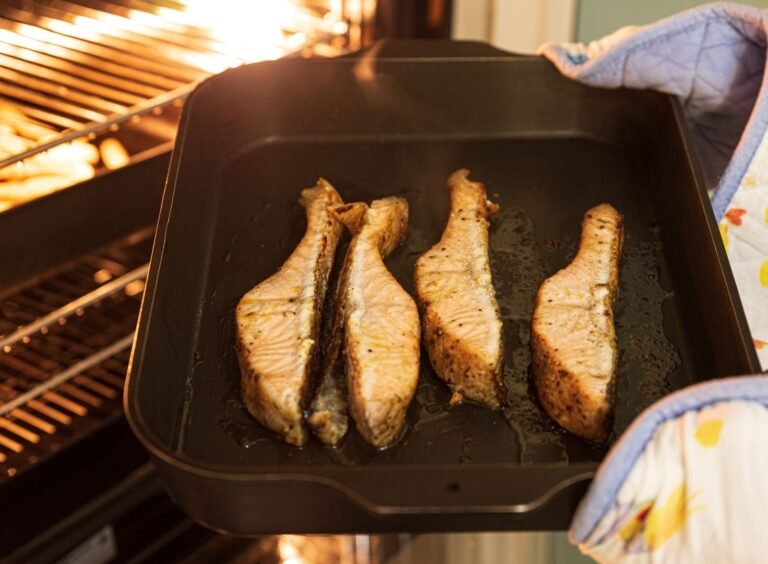
A classic 9×13-inch rectangular dish is a familiar size, but in a small rental oven it can be a tight or impossible fit once you count handles, a rim, and the way the rack sits. Measure the usable width, depth, and height of the oven with the rack in the position you actually use. Then measure any dish you already own the same way, including handles and a lid if you will bake with it on.
You want a little clearance on all sides, not a scrape. A dish that touches the wall or sits so far back that you cannot lift it out safely is not a good small-oven choice, even if the label says 9×13. A slightly smaller rectangle, an oval, or an 8-inch or 2-quart style dish is often easier to lift, cooler to carry, and simpler to store in a small fridge afterward.
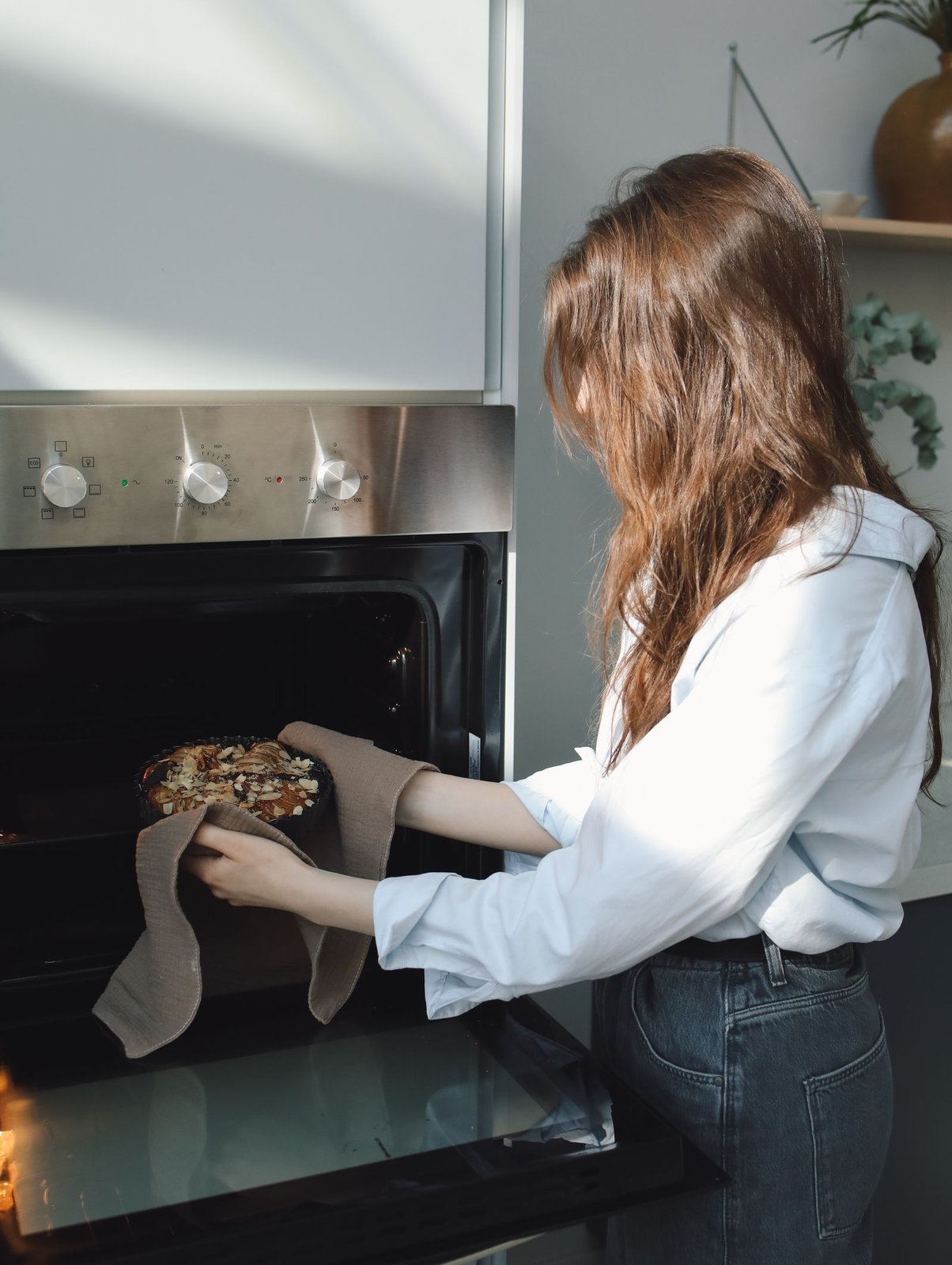
Depth matters as much as footprint. A shallow brownie or sheet-style pan is right for a thin bake and a short side. A deeper casserole or gratin dish is better for a saucy side, a baked pasta, or a dish that might bubble. If you only have room for one or two pieces, a mid-depth baking dish that can do a side and a leftover-night bake will usually earn more use than a very shallow pan plus a huge deep one that does not fit.
Handles or a rim you can actually grip with oven mitts are worth more in a small kitchen than a rimless slab that you have to slide. You will be lifting the dish in a tight space.
Lids, leftover night, and oven-to-table
A lid is most useful after the oven, not only during it. On leftover night, a dish that can go from the table into the fridge with a lid (or a tight, oven-safe cover the maker allows) saves you a transfer into another container, which matters when the refrigerator is already tight. If the lid is glass or ceramic, confirm that it is intended for the oven if you plan to bake with it on. If it is only for storage, treat it that way.
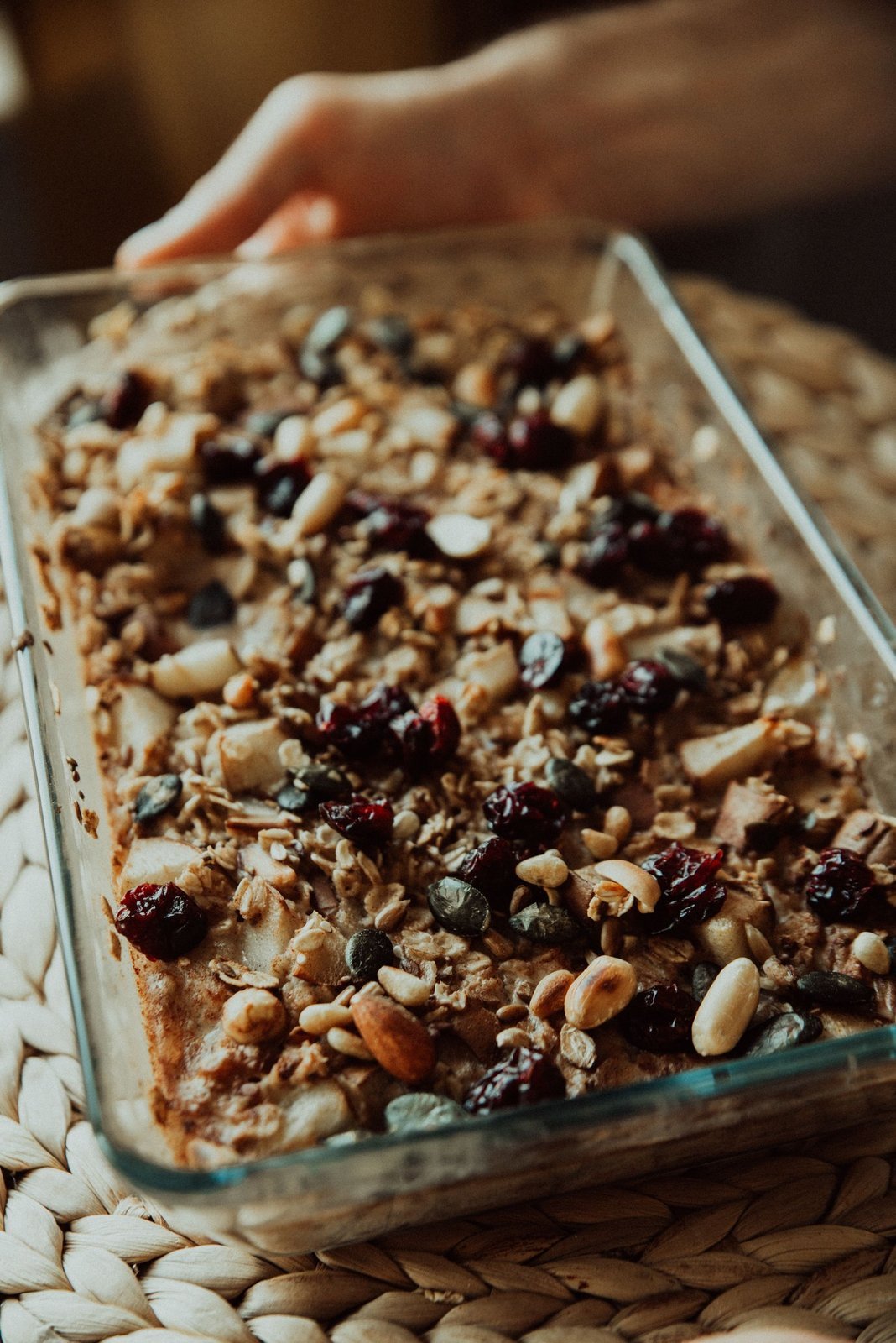
Oven-to-table is a space saver in an apartment: the dish you bake in is the dish you serve in. Look for a piece that is presentable enough to sit on a trivet, and modest enough that it does not dominate a small table. An oval or a smaller rectangle often looks calmer than a full-size hotel pan. Set the hot dish on a dry trivet or board, not on a wet stone sink or a damp towel.
If you already own an insulated carrier, use it for travel. Do not expect a casserole lid alone to keep a dish hot on a long trip, and do not buy bakeware only because it looks like a transport system. The carrier and the dish are different tools.
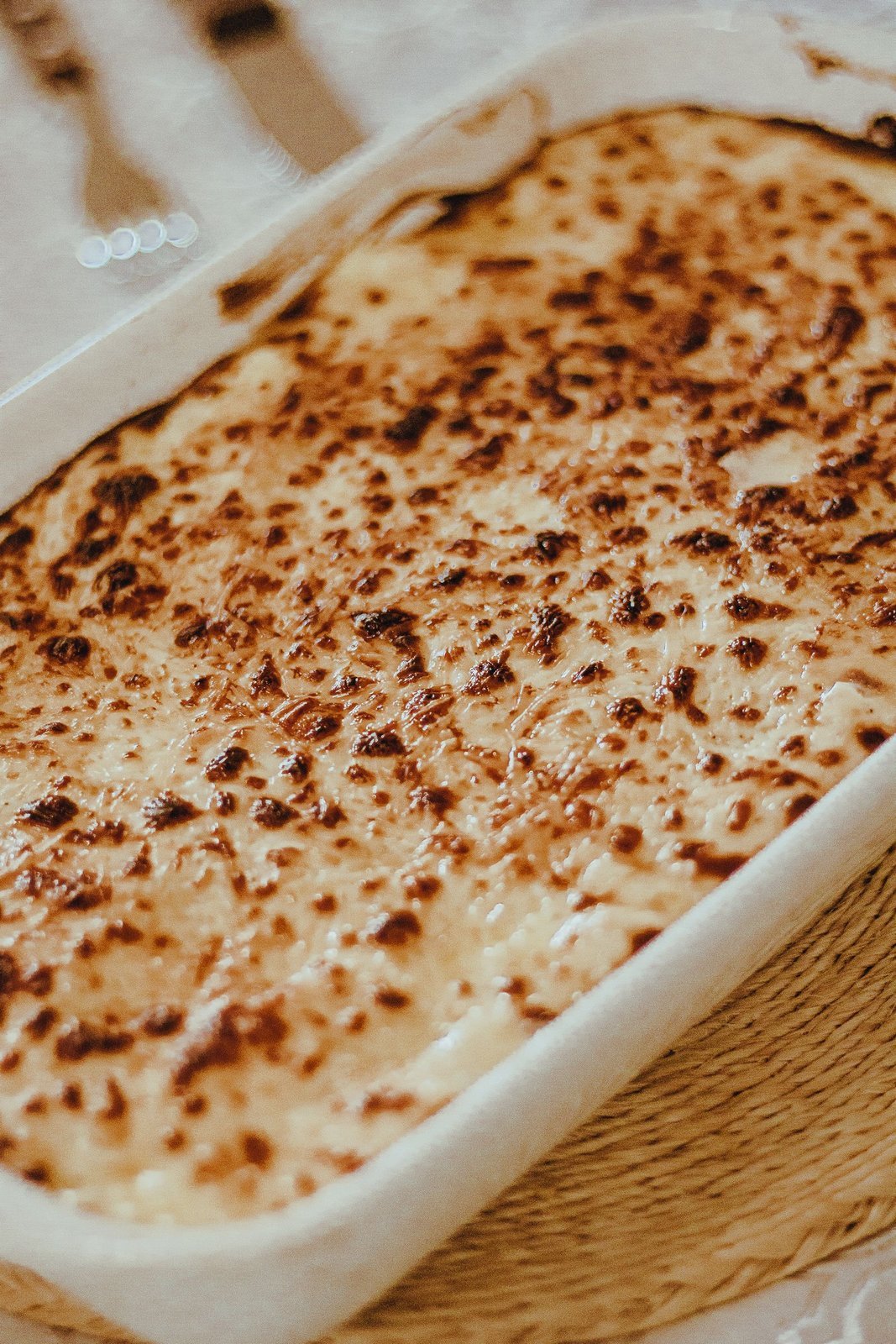
A woven sleeve or a basket under a dish can make the trip from oven to table easier, but it is not a substitute for a trivet, and it is not an insulated carrier. If you use one, keep it away from a bare burner and confirm it is meant to sit under a hot dish.
Glass, ceramic, or metal
Each material is a trade-off, not a ranking.
Glass lets you see the bottom and the sides, which is handy for a lasagne or a bake you do not want to over-brown in a small, sometimes uneven rental oven. It also shows leftovers clearly in the fridge. Practical caution, not laboratory advice: do not move a hot glass dish onto a wet or cold stone sink, and do not run a cold, wet glass dish straight into a preheated oven. Follow the maker’s notes about preheating, broilers, and sudden temperature changes. This guide does not invent precise thermal-shock rules.
Ceramic and stoneware often look more at home on the table and can hold heat for a short serve. They can be heavier, which matters when you are lifting a full dish out of a tight oven. Check whether the piece is broiler-safe if you like a browned top, and whether the lid, if any, is oven-safe too. Avoid guessing about decorative glazes or metallic rims; if the label is unclear, use the dish for baking and serving only in the way the maker describes.
Metal baking dishes, including enamel-covered metal, heat and brown quickly and are often lighter than a thick ceramic. They may not be your first choice for a fridge-to-table leftover if you prefer a lidded ceramic or glass for storage, but a modest metal pan can be a good everyday baker. Avoid metal and some decorated dishes in a microwave unless the manufacturer says otherwise.
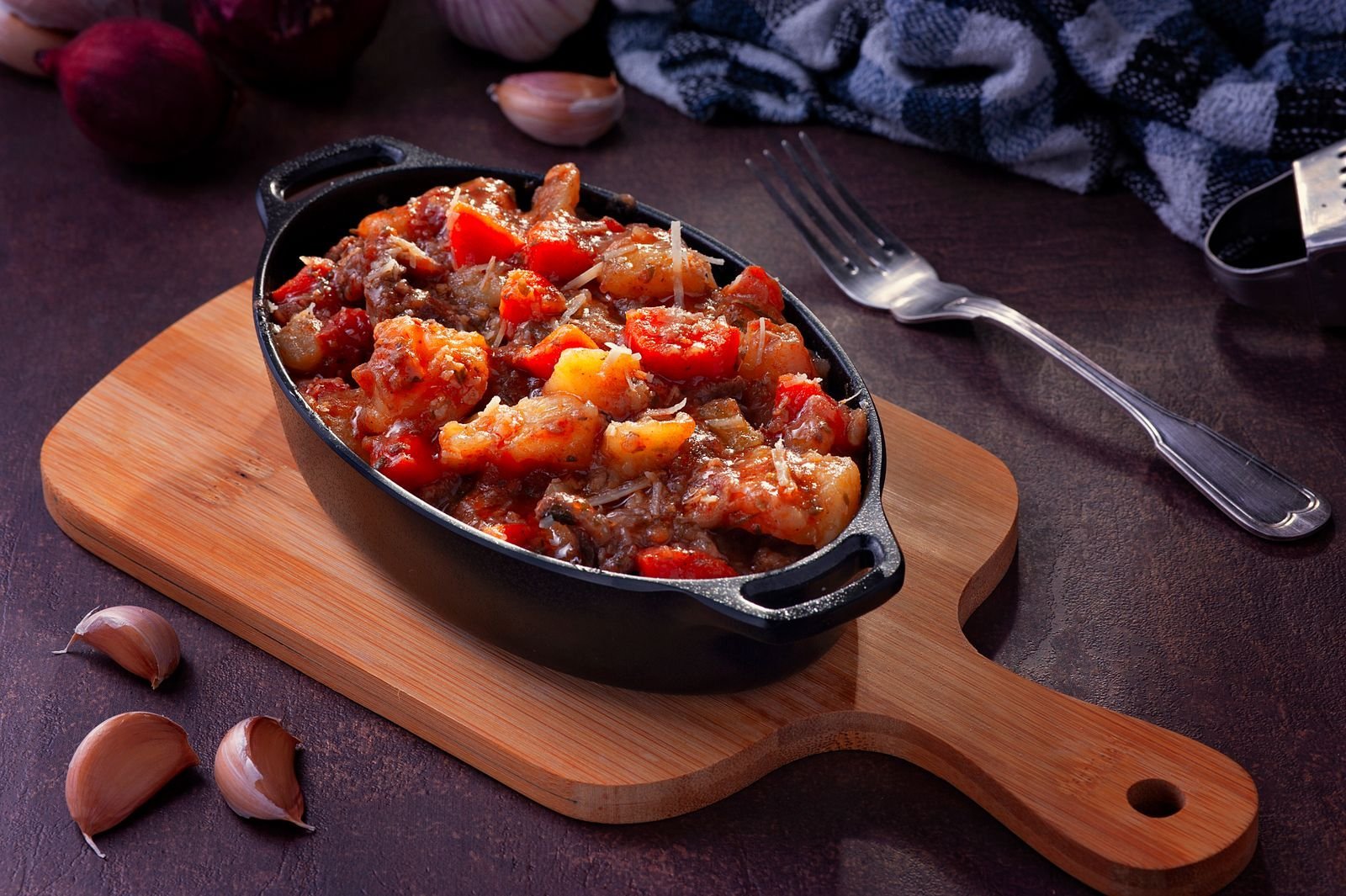
A smaller oval or gratin dish is often the better apartment choice than the largest rectangle on the shelf. It fits a modest oven, it sits on a tight table, and it can go into a small fridge with less Tetris. You can bake a side in it, or a smaller main, without committing to a pan that only works twice a year.
How many dishes you actually need
For many small kitchens, one mid-size baking dish (glass or ceramic) plus one smaller oval or square is enough. The mid-size piece does a holiday side or a weeknight bake. The smaller one does a gratin, a small dessert, or leftover-night portions that would look lost in a 9×13. Add a lid where it will actually be used.
Skip a huge piece that only fits if you remove a rack or angle the dish. Skip a set of many sizes if you have no place to stack them. Nested dishes earn their space; a tower of odd shapes does not. If a dish will live in the oven when the oven is off and fully cool, measure that habit the same way you would measure a cupboard, and take the dish out before you preheat. A small reminder on the oven handle helps if more than one person cooks in the kitchen.
When you shop, take the oven measurements with you, or compare them to the product dimensions, including handles, before you buy. If the seller does not list a footprint you can trust, it is safer to choose a slightly smaller, clearly measured dish than to hope a large 9×13 will behave in a compact rental oven.
A practical buying checklist
Before you buy, confirm:
- I measured the oven rack’s usable width, depth, and height, including clearance to lift the dish out.
- The footprint, with handles, has room to spare, rather than scraping the sides.
- The depth matches what I actually cook: a side or a saucy bake, not only a thin brownie.
- I know whether I want a lid for leftover night, and whether that lid is oven-safe or storage-only.
- I am choosing glass, ceramic, or metal for reasons I can explain, not because of a ranking.
- I will set a hot glass dish on a dry trivet or board, not on a wet stone sink.
- The dish can go to a small table and, once cool, into a small fridge.
- I am not buying a roasting pan, a carrier, a toaster-oven, or a meal-prep container by accident.
How to choose—and how to apply it
Measure the oven, then choose one or two dishes that clear the rack and can move to the table or the fridge. Prefer a mid-size baking dish and a smaller oval or square over a single oversized 9×13 that barely fits. Use a lid where leftover night would otherwise force a messy transfer. Treat glass, ceramic, and metal as practical trade-offs, and follow ordinary care: no invented science, and no hot glass on a wet sink. That is how the best casserole dishes and baking dishes for small apartment ovens earn their space.
FAQ
Will a 9×13-inch baking dish fit a small apartment oven?
Sometimes, but not always, especially once you count handles and lifting room. Measure the usable rack and the dish, and choose a slightly smaller rectangle or an oval if the 9×13 would scrape or be hard to lift out.
Do I need a lid on a casserole dish?
A lid is most helpful after baking, when the same dish goes into the fridge. Confirm whether the lid is oven-safe if you want to bake with it on. A tight, maker-approved cover is enough if the lid is only for storage.
Is glass or ceramic better for a rental oven?
Neither wins as a ranked choice. Glass lets you see the bake and the leftovers; ceramic often looks more at home on the table and can be heavier. Follow the maker’s care notes for whichever you choose.
Can I put a hot glass baking dish in the sink?
Do not set a hot glass dish on a wet or cold stone sink. Use a dry trivet or a wooden board, and wait until the dish has cooled before you wash it, following the manufacturer’s instructions.
How many baking dishes does a small kitchen need?
One mid-size dish and one smaller oval or square are enough for most apartments. Skip extra sizes you cannot stack or store, and do not buy a huge pan that only fits if you remove an oven rack.