Best Folding Chairs and Extra Seating for Small-Apartment Guests
Guest seating in a small apartment fails in the closet, not at the table. A chair that looks fine for a holiday meal is a poor buy if it does not fold thin enough to live under a bed, behind a door, or on a shelf you already have. Choosing the best folding chairs and extra seating for small-apartment guests is about storage, weight, and meal-length comfort, not a second dining set.
Good enough is two to four chairs you can bring out and hide when people leave. You do not need a stack that claims the only closet, or seating that looks formal if it cannot disappear afterward.
This is not a guide to everyday dining chairs, lounge chairs, or kitchen stools. Those are different purchases: Best Dining Chairs for Small Apartments for the seats that stay at the table, Best Accent Chairs for Small Living Rooms for a chair that lives in the room all week, and Best Bar Stools for Small Apartment Kitchens for counter-height seating. Folding or stackable guest seating is what you add when company comes.
Start with where the chair will live
Measure the storage spot before you shop. A closet shelf, the gap under a bed, the space behind a door, or a slim slot beside a bookcase all have a thickness limit. Folded depth matters more than the open width of the seat. A chair that folds to a thin, flat panel is easier to slide under a bed than one that stays bulky from a padded back or a thick frame.
If you will stand chairs in a closet, check height and whether they can lean without tipping onto clothes. If they will go under the bed, measure the clearance with the bedding on, not the empty frame. Write that number down. A chair that is too thick will end up in the hallway.
Also check how you will carry the chair from that storage spot to the table. A narrow hallway, a tight door, and stairs all argue for a lighter chair you can hold in one hand, even if a heavier wood chair looks nicer when it is open.
Open and close the chair once in the aisle or doorway, not only in a wide showroom. Some frames need more swing room than their folded size suggests, and a chair that nicks a doorjamb every time you fetch it will not get used. If you live with someone else, agree on a home so the chairs do not take the only closet.
Look at meal comfort, not just a twenty-minute perch
A bare stadium-style seat can work for a short game. A holiday meal lasts longer. Sit in the chair, or at least check the seat size, the height relative to your table, and whether there is a back you can rest against. A slightly wider seat and a supportive back usually beat a compact stool if people will eat there.

Padding helps for a long dinner, but it also adds folded bulk. If your only storage is a shallow under-bed gap, a simpler wood or metal chair that folds truly flat may be the better trade. If you have a closet slot with a little more room, a modestly padded seat can be worth the extra inch. The storage measurement comes first, and comfort is the second filter.
Seat height should meet the table you actually use. A folding chair that sits much lower than your everyday chairs makes a guest feel perched at a child’s place. Bring a measurement of the table height if you can, and look for a chair that lands in a similar range. If you sometimes pull a chair up to a coffee table, do not expect one height to serve both; meal seating should match the dining surface first.
Armrests can make a long dinner more comfortable, but they often stop chairs from tucking tight under the table and add width at a compact top. If you already have armless everyday chairs, an armless folding chair usually mixes in more easily.
Check the back, the feet, and the floor
A folding chair needs a back that feels stable when someone leans, not only when they sit upright. Shake the open frame. It should not rack sideways or fold unexpectedly. If there is a lock, make sure you can open and close it without pinching your hand.
Feet matter in a rental. Hard metal caps can scratch wood or vinyl. Softer caps or plastic glides are kinder, and they are quieter when someone shifts. If the chair arrives with bare metal feet, stick-on felt or rubber caps are a simple fix, as long as they stay on. Avoid anything that would leave marks you cannot clean. Test the chair on a hard floor if you can: it should not rock or scrape when someone scoots in.

Weight is part of stability and part of storage. A very light chair is easy to carry and easy to knock over. A very heavy chair feels solid at dinner and is a chore to haul from a closet every time. Pick the lightest chair that still feels steady when you lean on the back, and confirm you can carry two at once if you buy a pair.
Match the look to the night, without buying a second style
A simple wood or cane folding chair often looks at ease at a dinner table. A plain metal chair can be fine for a game night or a spill-prone snack evening, and it usually wipes clean. You do not need two different sets. If you can only buy one style, choose the one that can sit at a meal without looking like leftover event seating, as long as it still folds to your storage size.
Skip a bulky slipcover or a decorative chair that no longer folds flat. Extra fabric is hard to store and easy to stain. A chair that already looks finished when open will serve a holiday meal and a casual gathering.
Color and material should be easy to wipe. A pale fabric seat shows spills; a finished wood, metal, or cane surface usually cleans with a damp cloth. Matching everyday chairs exactly is optional. Sitting at a similar height, with a back that does not look like leftover event stock, is usually enough.
Know when not to buy folding chairs
Folding chairs are not the only extra-seat option, and they are not always the right one.
If a bench already covers the two extra places at your table, you may not need chairs at all. If guests often stay overnight, a Best Sofa Beds for Small Apartments search is a different purchase; a sofa bed is for sleeping, not for adding dinner seats. If the real problem is that you have no table, look at Best Folding Dining Tables for Small Apartments before you add chairs that have nowhere to pull up. A combined folding table-and-chair set can be the better purchase when you start from an empty corner, as long as the whole set still stores in one place.
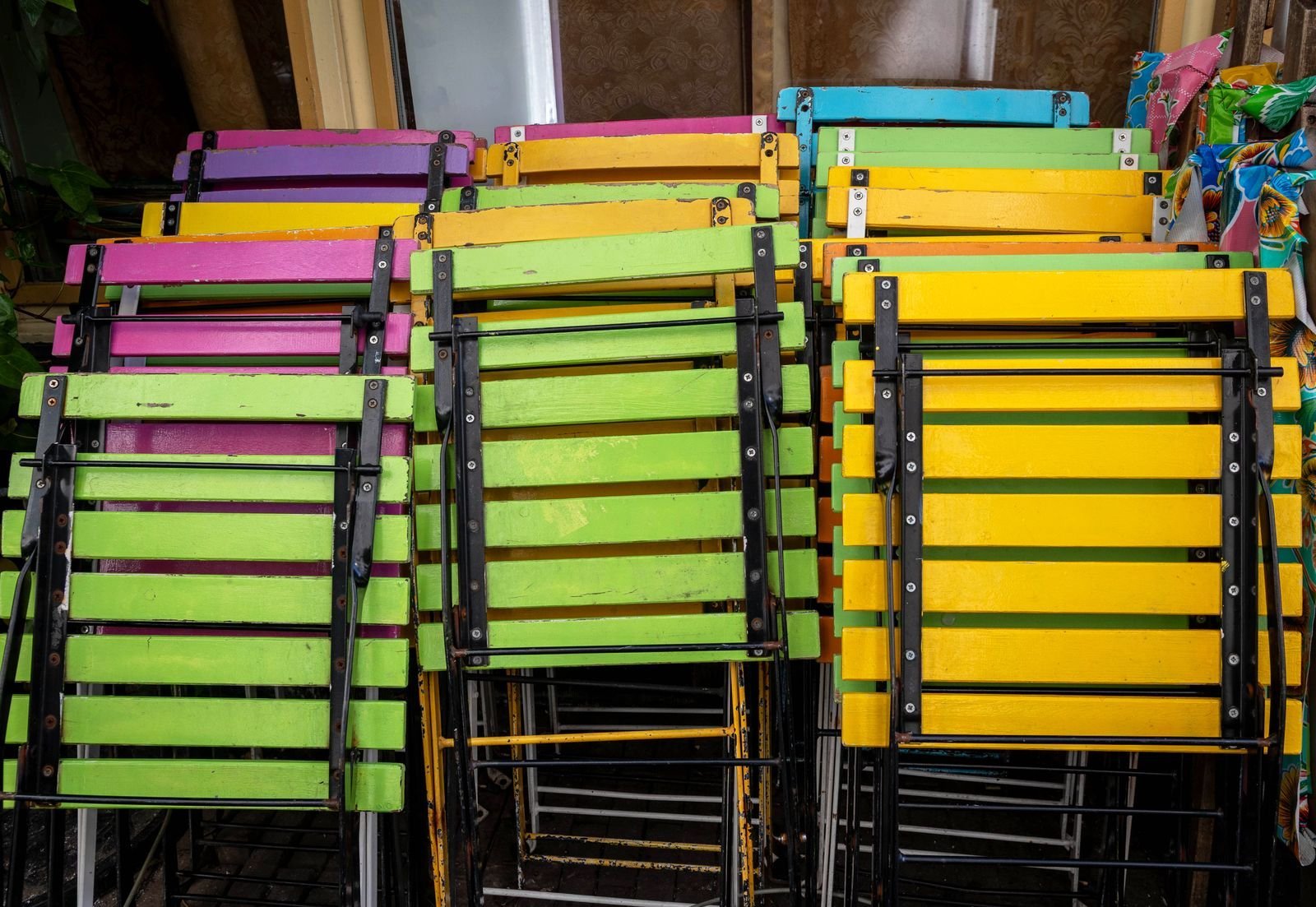
Do not buy a large commercial stack. In a small apartment, four chairs that barely fit are worse than two you can actually hide. If a listing shows a dozen chairs nested on a rack, treat that as a venue product, not an apartment one, unless the chair still folds to your measured gap and you are buying only two or four.
Used chairs can be practical if you can inspect the frame, the folding joints, and the feet in person. Skip a chair that wobbles, pinches, or has a cracked seat. A simple, sturdy chair that stores well beats a rare vintage piece that does not.
Consider stackable stools and other compact extras
Not every extra seat has to fold. Stackable stools can nest in a closet or a corner and work well for a short visit or a casual night. They usually have no back, so they are a weaker choice for a long meal, and they still need a measured footprint.

A storage ottoman can add a seat and hide blankets, but it is a different product with a different footprint; see Best Storage Ottomans for Small Living Rooms if that is the piece you actually need. Floor cushions can add a short-term seat for a casual night, but they are not meal seating. None of these replace a folding chair when you want a back and a seat at the table, and none of them should be bought as a set of six if you only host two extra people.
Buy for the meal you actually host
Think about how you use the seats, not a generic party. If most gatherings are dinners, comfort and a finished look come first after storage. If you more often host a film or a game around a coffee table, a slimmer chair you can tuck beside the sofa may matter more than padding. For the dinner itself, the hosting method lives in How to Host a Dinner in a Small Apartment. If you often eat without a formal table, How to Serve and Eat Dinner in a Small Apartment Without a Dining Table may change how many chairs you need at all.
Do not shop from invented rankings or a labeled “best” score. Compare folded size, weight, seat comfort, back stability, and floor-friendly feet against the place the chairs will live. Two chairs that fit and get used beat four chairs that lean in a hallway.
When guests leave, fold the chairs the same day and put them back in the measured spot. Wipe crumbs first, and let a damp seat dry before it goes under a bed or into a closet. That last step is part of the purchase. If you will not carry them away, they are not extra seating. They are clutter.
A useful test is to host one ordinary meal and put every chair away the same evening. If that feels like a chore you will skip, the set is too heavy, too bulky, or too numerous. Keep only seats that disappear.
FAQ
How many folding chairs does a small apartment need?
Two to four is enough for most small apartments. Buy the number you can store in a closet, under a bed, or behind a door, not the number that would fill a larger dining room.
Is a padded folding chair better than a simple wood or metal one?
Padding is more comfortable for a long meal, but it often makes the chair thicker when folded. If your storage gap is shallow, a simpler chair that folds flat may be the better fit. If you have a little more room, a modestly padded seat can be worth it.
What should I measure before I buy?
Measure the height and depth of the place the chairs will live, including under-bed clearance with the bedding on. Also note your table height so the chair seat is not much lower than your everyday chairs, and think about the path you will carry them through.
When should I skip folding chairs?
Skip them if a bench already covers the extra seats, if you need a sofa bed for overnight guests, or if you still need a table and a folding table-and-chair set would store more efficiently as one purchase.
Can stackable stools replace folding chairs?
They can for a short visit or a casual night, especially if they nest tightly. They are a weaker choice for a long meal because most have no back. Choose stools only if that trade matches how you actually host.