
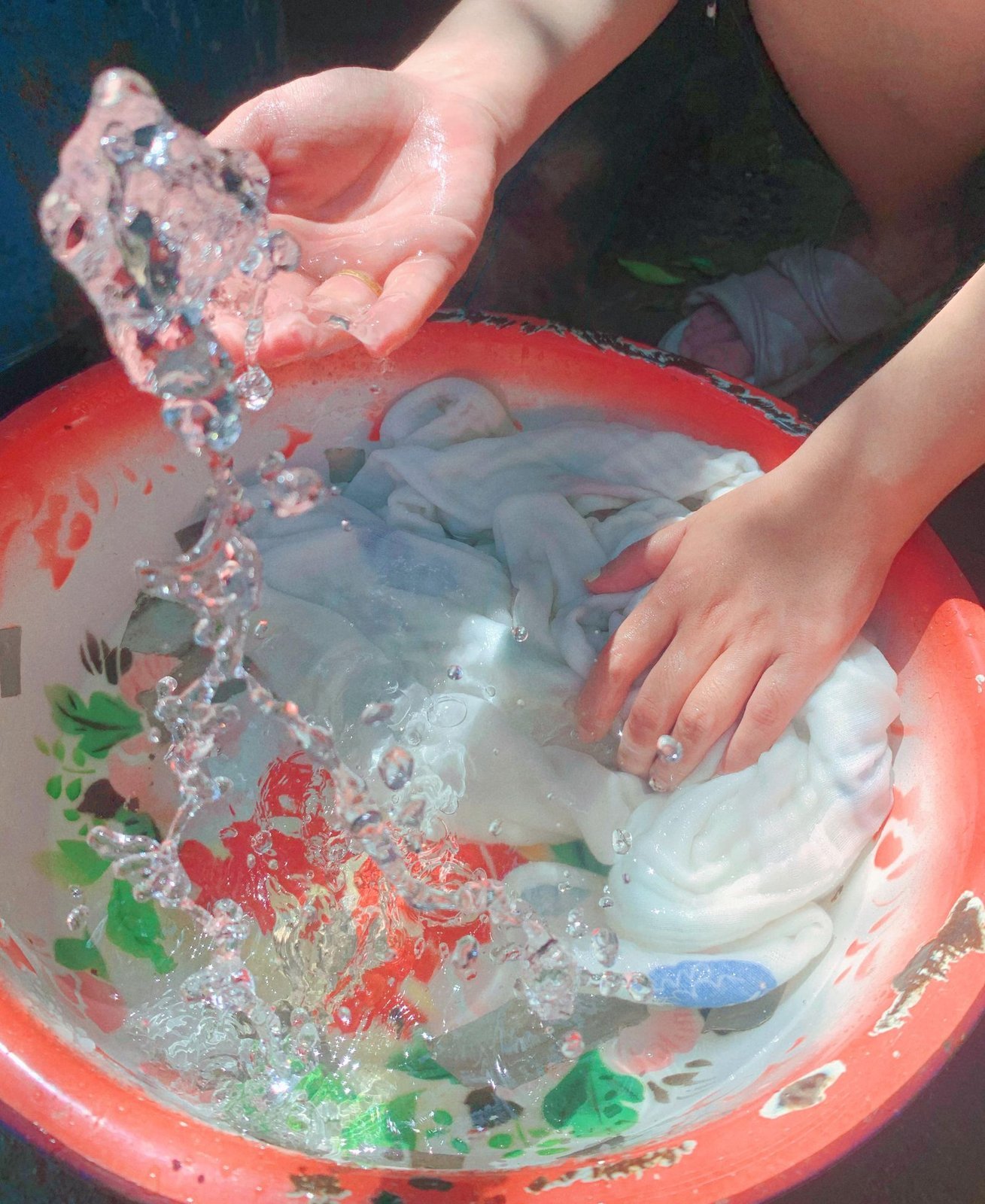
How to Wash Delicates in an Apartment Laundry Room
A shared apartment machine is built for sheets, towels, and everyday cotton. It is often too rough for the fragile pieces: bras, tights, silk or lace tops, wool sweaters, and anything else the care label marks as gentle. If you want to wash delicates in an apartment, the job is not to invent a second laundry routine for the whole week. It is to give those pieces a shorter, quieter path — a mesh bag and a gentle cycle when the machine can be trusted, a sink when it cannot, and a dry that does not stretch the garment or leave it dripping in a rental bathroom.
This article is only about those fragile pieces. Apartment Laundry Routine: A Simple System That Fits Shared Machines is when and how you do the weekly load. How to Dry Clothes in a Small Apartment Without a Dryer is the general no-dryer plan for everyday clothes. Winter coats, gym clothes, curtains, sheets and towels, comforters, and sneakers each have their own guides. Here you are only washing what would be damaged by a normal spin, a hot dryer, or a careless wring.
Read the label before you pick a machine
Start with the care label, not with the laundry-room card. Hand-wash, gentle cycle, cold water, do not tumble dry, and dry-clean only mean different things. Follow the most cautious instruction on the garment. If the label says dry-clean only, a sink experiment is not a clever shortcut. A garment that is already shredded, stained through, or labeled dry-clean only may need a cleaner, not another experiment.
Check the laundry room’s rules as well. Some buildings ban hand-washing in utility sinks, limit machine time, or do not want water dripped down the hallway. If the shared machine looks too rough — a violent spin, a drum full of zippers, a previous renter’s detergent still in the tray — it is reasonable to take the fragile pieces home to a bathroom sink instead.
Sort delicates out of the mixed bag before you leave the apartment. A silk top should not ride in with jeans and a wet towel. Bras and tights should not share a drum with anything that has a hook, a buckle, or a rough print. If you are already heading down with a regular load, keep the delicates in their own bag so you can decide at the machine, not after they have gone in with the rest.
How to Wash Gym Clothes and Activewear in an Apartment is the synthetic workout load, which also dislikes a hot dryer but is not the same fabric as silk or wool. Keep those paths separate.

Mesh bags, a gentle cycle, or a sink
A mesh bag is the simplest protection in a shared machine. Put bras, tights, and small knits in a bag that zips or ties fully shut so straps and hooks cannot catch on the drum or on someone else’s load if you are in a hurry. One bag per type is better than a stuffed bag that cannot move in the water. The bag does not make a rough cycle gentle. It only keeps the piece from stretching, snagging, or disappearing into the drum.
A gentle or delicate cycle, cold or lukewarm water, and a mild detergent are the usual machine settings when the label allows a machine wash. Do not add a “just in case” scoop of regular powder, and do not use bleach “to be safe.” Bleach can ruin silk, wool, and many dyed delicates. A short spin is kinder than a long, hard one. If the machine only offers a default heavy cycle, skip it and use the sink.
Hand-washing in a clean sink or basin is the right choice for silk, lace, and many wool sweaters, and for any piece you do not trust to a shared drum. Fill the sink with cool or lukewarm water and a small amount of gentle detergent. Ease the garment in; do not scrub it like a work shirt. Swish, soak briefly, and rinse until the water runs clear. Do not wring silk or wool. Press water out between towels, or let it drain on a hanger if the label allows hanging.
A utility sink in a laundry room can work if the rules allow it and the sink is clean. A bathroom sink at home is often calmer. Either way, leave the sink clean for the next person or for your own later use.
Water temperature, and what not to add
Cool or lukewarm water is the default for most delicates. Hot water can shrink wool, set stains, and weaken silk. If the label says cold, use cold. If you are unsure, go cooler rather than hotter.
Use less detergent than you would for a towel load. Residue in a tight knit is harder to rinse in a small sink, and a shared machine that already has leftover soap does not need more. Skip fabric softener on athletic-adjacent knits if you wash those separately, and skip bleach entirely on this pile. Stain treatment belongs on a test area, or with a cleaner if the stain is already through the fabric.
Do not overload. Fragile pieces need water and space. A drum packed with a comforter is the wrong company; How to Wash a Comforter in an Apartment Laundry Room is that bulky load. Sheets and towels have their own schedule in How Often to Wash Sheets and Towels: A Practical Laundry Schedule for Small Homes. Wash delicates in an apartment as a small, separate group, even if that means a short extra visit to the machine or a sink session at home.
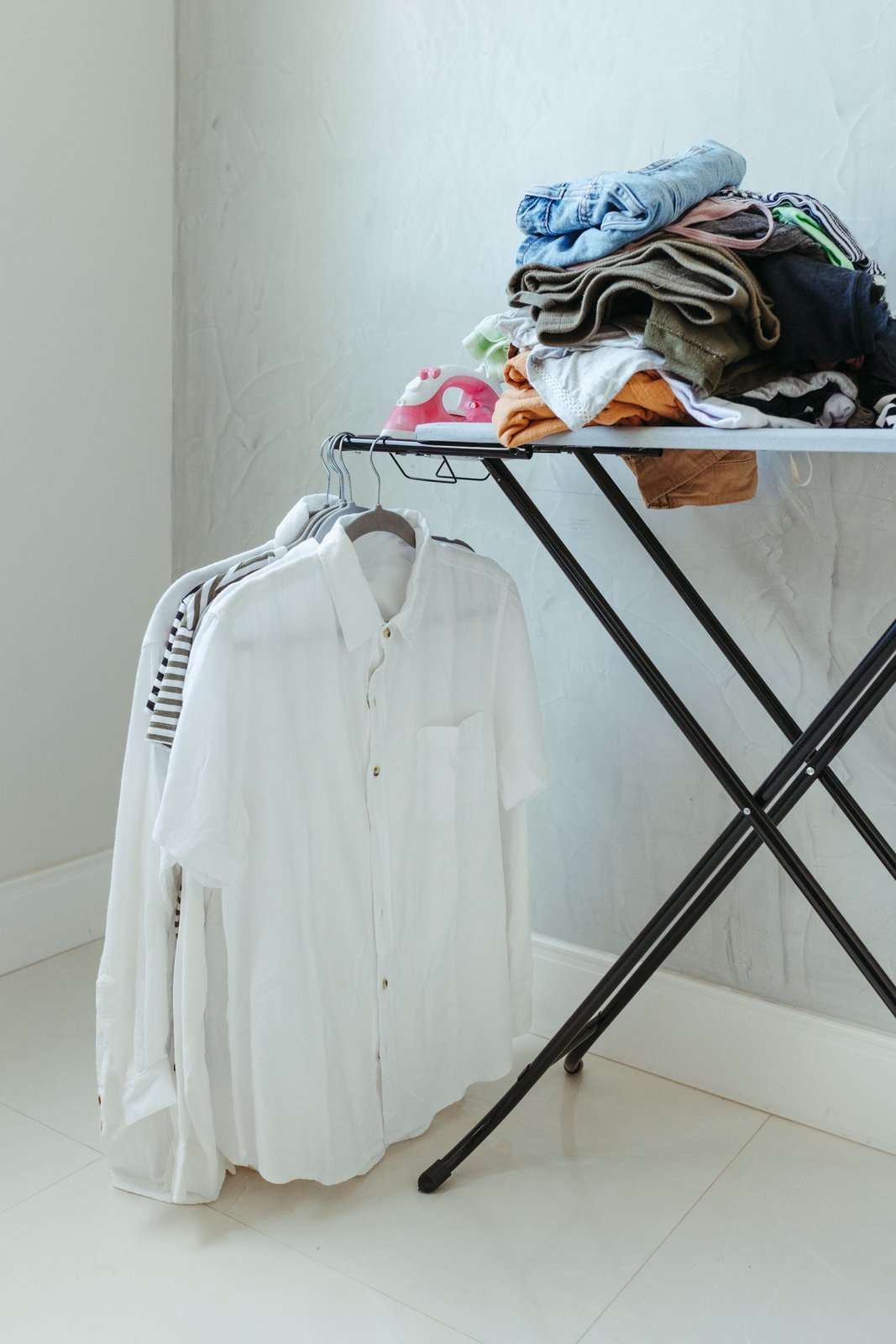
Skip the shared dryer more often than not
A shared dryer is often the wrong finish for delicates. Heat shrinks wool, weakens elastic, and can glaze or crease silk. A long, hot cycle is also a poor place for a bra or a pair of tights, even on low, if you cannot stand there and stop it. If the label says do not tumble dry, do not. Air-dry instead.
If a label allows a low, short tumble and you have a dryer you control, that is a narrower exception — and still riskier in a shared room where the next person may restart the machine on high. When in doubt, skip the dryer.
Everyday no-dryer drying is covered in the general guide above. For delicates, the finish is more specific: reshape, then dry flat or hang, depending on the garment. A wool sweater should usually dry flat, on a towel or a mesh rack, in its natural shape, away from a heater and direct sun. A silk or lace top can often hang on a padded or smooth hanger if the fabric will not stretch at the shoulders. Bras should be reshaped and dried in a way that does not crush the cups. Tights can hang from the waistband, not from a pin that leaves a bump.
Best Clothes Drying Racks for Small Apartments is how to choose a rack that actually fits. A shower rod or a hanger on a hook can stand in for a rack, as long as water is not running down a rental wall or pooling on a wood floor. Put a towel underneath.
Dry without stretching, and do not leave pieces dripping
How you get the water out matters as much as the wash. Do not wring silk or wool. Lift the garment, let it drain, and press it in a towel. Then move it to the flat towel or the hanger, already mostly damp rather than pouring.
Do not leave something dripping in a rental bathroom for hours. A soaked sweater over the shower head will stretch, drip onto the floor, and can leave a mildew smell if it stays there too long in still, wet air. Overnight on a properly set hanger or a flat towel is usually fine if there is air around the piece and a towel catching drips. Two days in a closed, steamy bathroom is too long. Move the piece to a drier room, or open the space so it can finish.
Wrinkles on a silk or linen-blend top are often better handled after the garment is dry, with a steamer or a compact iron on the setting the label allows — not with a hot dryer. Best Garment Steamers for Small Apartments and Best Compact Irons for Small Apartments are those tools. This article stops at a clean, correctly dried delicate.
Curtains and winter coats are different fabrics and different sizes; How to Wash Curtains in an Apartment Laundry Room and How to Wash a Winter Coat in an Apartment Laundry Room cover those. How to Wash Sneakers in an Apartment Laundry Room is the shoe load. Keep them out of the delicates bag.

Practical takeaways
To wash delicates in an apartment, treat bras, tights, silk, lace, and wool as a separate, gentler path, then dry them without heat or stretching.
- Read the care label and the laundry-room rules first. Dry-clean only, or a garment already shredded or stained through, may need a cleaner, not another experiment.
- Use a mesh bag and a gentle, cool cycle when the machine can be trusted. If the only cycle is rough, use a sink.
- Do not wring silk or wool, and do not use bleach “to be safe.”
- Skip the shared dryer more often than not. Dry sweaters flat; hang pieces that will not stretch, with a towel underneath.
- Do not leave a dripping garment in a rental bathroom for a long stretch. Get the water out, reshape, and give it air.
A small apartment does not need a special delicate-only appliance. It needs a bag, a gentle cycle or a clean sink, and a dry that leaves the piece in the shape you want to wear.

FAQ
Can I wash delicates in an apartment machine with the rest of the load?
Usually no. Keep bras, tights, silk, lace, and wool out of a mixed bag of jeans, towels, and zippers. Use a mesh bag and a gentle cycle, or wash them in a sink if the machine looks too rough.
Is a mesh bag enough protection?
It helps keep straps and small knits from snagging or disappearing, but it does not turn a heavy cycle into a gentle one. If the machine only offers a rough default, use the sink.
Should I put silk or a wool sweater in the shared dryer?
Not if the label says do not tumble dry, and not as a default. Heat shrinks wool and can damage silk and elastic. Reshape and air-dry instead.
How long can I leave a wet delicate hanging in a rental bathroom?
Long enough for it to dry with air around it and a towel catching drips — often overnight. Not long enough for it to keep dripping on the floor or to sit for days in still, steamy air.
What if the label says dry-clean only?
Treat that as the rule. A garment that is already shredded, stained through, or labeled dry-clean only may need a cleaner, not another experiment in the sink.


