How to Store Hats, Scarves, and Gloves in a Small Apartment
In a small apartment, hats, scarves, and gloves rarely get a real home. The knit cap lands on a chair. The gloves stay in a coat pocket until they are a damp, crumpled pair. The scarf ends up in a pile by the door. By the end of a wet week, you have a smell, a hunt every morning, and a rental wall or floor paying for it. If you want to store hats scarves and gloves without turning the entry into a laundry pile, the job is not a bigger closet. It is a small, dry place next to where you actually take them off.
This article is about those cold-weather accessories — the caps, gloves, and scarves you grab every morning. It is not a full coat-closet reset; How to Organize a Coat Closet in a Small Apartment is the jackets and long coats. It is not a whole entry system; Entryway Storage for Small Apartments: A Calm Setup That Actually Fits covers that, and How to Set Up a Drop Zone in a Small Apartment Without an Entryway is the plan when you do not have a hall. Here you are only placing the small things that otherwise live in pockets and piles.
Give them a home next to where you take them off
You will not store hats scarves and gloves well if the official home is at the back of a bedroom closet and the real landing spot is a chair. The storage has to be within a step or two of the door, or of the hook where the coat already comes off. A hook, a small basket, a slim hanger, or a single drawer is enough, as long as it is the place you actually use.
A row of hooks at entry height can hold a cap and a scarf without asking the coat closet to do that job. A small basket on a bench, a shelf, or the floor under the hooks can hold gloves and a second cap, as long as nothing goes in wet. A slim hanger can take two or three scarves without eating a full width of rod. If you have no entry, the first hook or drawer inside the main room is still better than a chair.
Do not wait for a renovation. Use the hook rail you have, or a removable over-the-door rack if the lease allows it. Over-the-Door Storage Ideas for Small Apartments is useful when wall space is scarce — and the accessories still need a dry hook or a basket of their own, not a jumble of bags and hats on one crowded hook. Bags belong in How to Store Bags, Backpacks, and Totes in a Small Apartment. This is the knit cap, the gloves, and the scarf.
Keep the everyday set to what two people (or one person) will actually wear this week. The rest is overflow, and overflow does not belong on the chair.

Dry wet wool and fleece before you store them
The most important rule is also the one that gets skipped. Do not store dripping items in a closed bin, in a coat pocket, or against a rental wall. A damp wool pile will smell. Fleece that goes into a basket wet will stay wet in the middle, and the next morning you will put on a cold, sour glove.
When you come in, hang the wet cap and scarf on a hook or a hanger with air around them. Lay gloves open, not balled, on a tray or a rack — never press wet wool against a painted rental wall or leave a puddle on a wood floor. Overnight is often enough for a lightly damp cap. A soaked scarf may need longer, and it should not go into a drawer until it is dry to the touch.
If something is still dripping, it is not ready. A hook in moving air is the right first stop. A lidded bin is the wrong one. Once the piece is dry, then it can go in the basket, on the hanger, or in the drawer.
Wool and fleece also pill and felt if you crush them while they are wet. Reshape a knit cap as it dries, smooth a scarf so it does not dry in a twisted rope, and turn gloves right-side out. You are not running a laundry service. You are preventing a smell and a misshapen accessory you will not want to wear.
One everyday set, and a place for the overflow
A small apartment works better when the entry holds this week’s set, not the entire winter collection. One cap, one pair of gloves, and one or two scarves per person is enough for the hook and basket by the door. The rest — the dressy scarf, the extra mittens, last year’s backup beanie — can live in a drawer, a box, or a high shelf, dry and folded, until you rotate them in.
That overflow is not the same job as packing away last season. How to Store Off-Season Clothes in a Small Apartment is the bins you put away until next year. Mid-winter extras still need to be reachable, just not in the way every time you open the door. A labeled bin on a closet shelf, or a shallow drawer reserved for accessories, is enough.
If you share the space, give each person a hook and a section of the basket, or two small baskets instead of one mixed pile. How to Organize a Shared Closet for Two in a Small Apartment is the wider closet split. For hats and gloves, a clear divide stops the morning hunt and keeps someone else’s wet gloves out of your dry cap.
When the season actually ends, pack only what is clean and dry. Do not seal a faintly damp scarf into a closed bin for the summer. That is how you unpack a smell in October.
Hooks, baskets, slim hangers, and a drawer
You do not need a specialty accessory closet. You need one or two of these, used on purpose.
Hooks are the fastest home for a cap and a scarf you wear every day. Place them where a wet item can hang freely, not crushed behind a door that slams into it. If you add hooks in a rental, use a method the lease allows — over-the-door, a standing rail, or adhesive hooks rated for the weight, not a surprise row of holes.
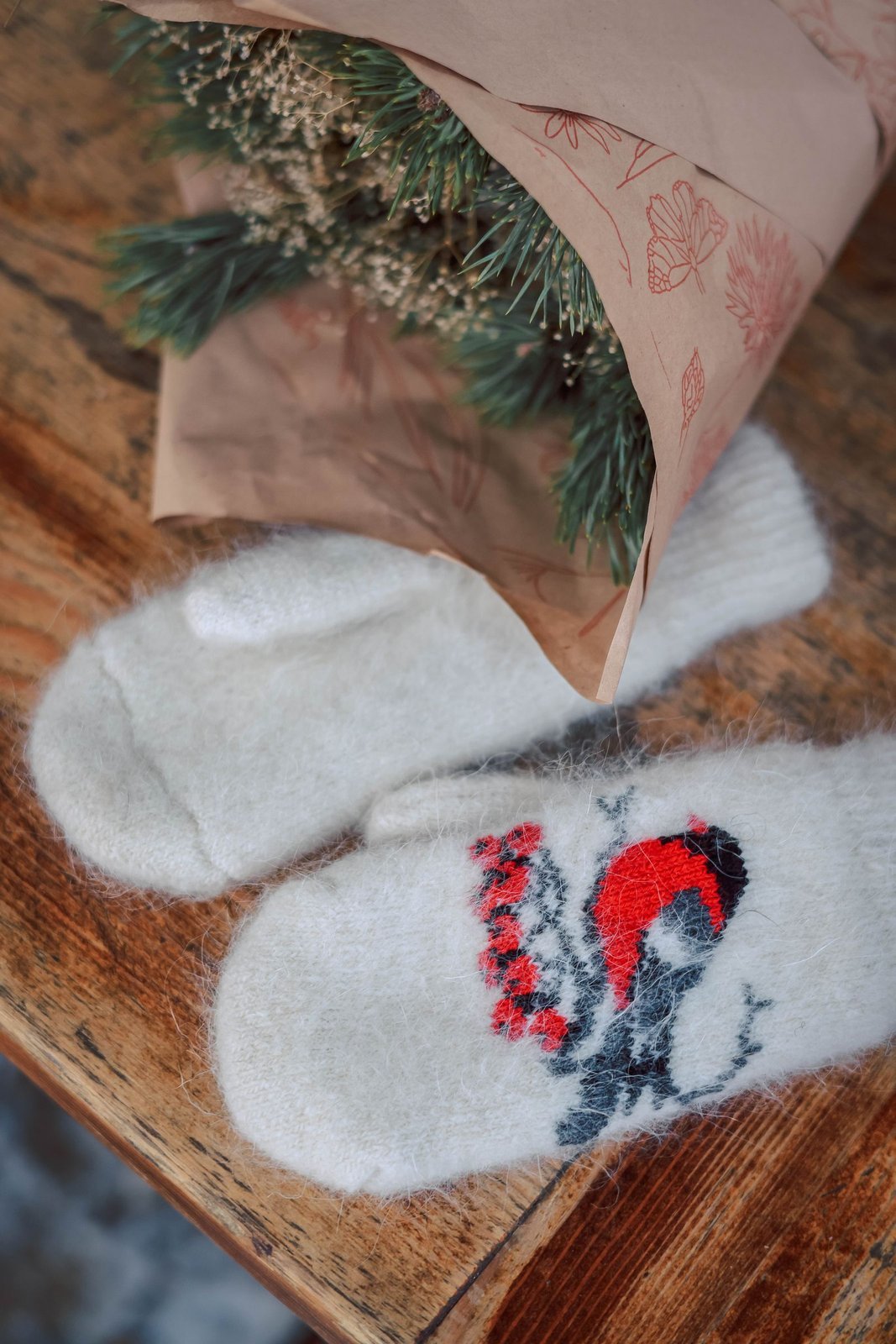
A small basket is the right home for gloves and for a dry cap you do not want to hang. Choose one you can pick up and take to the table to sort, not a deep hamper that becomes a damp pit. Do not use the basket as a wet drop. If the gloves come in soaked, they dry first, then they go in.
Slim hangers are kind to scarves. A scarf folded once over a hanger takes little rod space and is easy to see. Several scarves on one hanger still work if you can slide one off without dumping the others. A clothing rack can hold that hanger if the closet is already full, but the rack is not the system; Best Clothing Racks for Small Apartments is overflow hanging space. This article only needs a slim hanger for the scarves, not a second wardrobe.
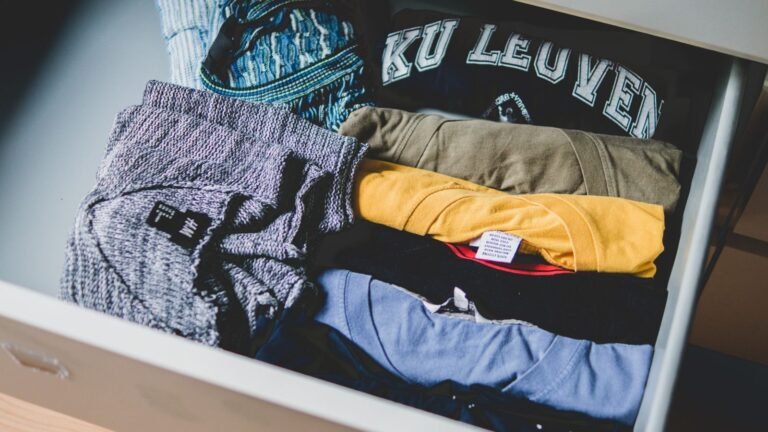
A shallow drawer in a nearby dresser, a bench with a lid, or a closet chest is the tidy home for extras and for gloves you want to keep in pairs. Use a simple divider so pairs stay together. Do not overfill it. If you have to jam a scarf in, that scarf belongs on a hanger, or it is overflow that should be edited.

Keep accessories out of the long-coat pile
The coat closet is for jackets and long coats. If hats and scarves share that rod, they disappear behind sleeves, fall to the floor, and pick up whatever dripped from a wet hem. Keep the long garments in their own space, and give the accessories the hook, basket, or hanger in front of or beside that closet — not buried in it.
The same logic applies to shoes. How to Organize Shoes in a Small Apartment is the shoe row. Do not drop gloves into the shoe tray, and do not let a wet cap sit on a boot. Each category gets a small, obvious home.
A chair is not a home. If the cap and scarf keep landing there, the official hook is too far away, or it is already full of coats. Move the accessory hook closer, or clear one hook so it stays empty for the cap and scarf. The system that works is the one you will use with one hand when you come in.
Edit what you keep. A small apartment does not need seven knit caps if you wear two. Keep the ones that still fit and still look like something you will put on. The rest can leave. Storage fails when the basket is a museum of accessories you do not wear.

Practical takeaways
Give the everyday set a dry home next to where you take them off, and keep the rest in simple overflow.
- Put a hook, a small basket, a slim hanger, or a drawer within a step of the door or the coat hook — not at the back of a bedroom closet.
- Dry wet wool or fleece on a hook or an open surface before it goes into a basket, drawer, or bin. A damp pile will smell.
- Do not store dripping items in a closed bin or against a rental wall.
- Keep this week’s cap, gloves, and scarf in the entry set. Fold extras, dry, in a drawer or box, separate from off-season bins.
- Keep accessories out of the long-coat pile and the shoe tray, and edit what you do not wear.
A small apartment does not need a special accessory closet. It needs a hook and a basket you will actually use, and the patience to let wool dry first.
FAQ
Where should I store hats scarves and gloves if I do not have an entryway?
Use the first hook or the first drawer inside the main room, within a step of where the coat comes off. A chair is not a home. The official spot has to be as convenient as the chair, or the chair will win.
Can I put wet gloves and a knit cap straight into a basket?
No. Let them dry on a hook or an open surface first. A damp wool or fleece pile will smell, and a closed basket keeps the moisture in the middle.
How do I keep scarves from taking over the coat closet?
Give scarves a slim hanger or a hook of their own, in front of or beside the long coats, not behind sleeves on the same crowded rod. The coat closet is for jackets and long coats.
What should I do with extra winter accessories I am not wearing this week?
Keep one everyday set by the door. Fold the rest, fully dry, in a shallow drawer or a box you can still reach. Pack pieces away for the next season only when they are clean and dry.
Is an over-the-door rack enough for hats and gloves?
It can be, if there is a hook or a small basket reserved for them and wet items can hang freely to dry. Do not mix dripping accessories with bags on one crowded hook, and do not press wet wool against a rental door.