How to Store Winter Coats and Heavy Jackets Without Crowding a Small Closet
A small closet can hold winter coats, but only if you treat bulky jackets as a midwinter problem rather than as one more item on an already tight rod. The useful way to store winter coats and heavy jackets in a small closet is an in-season plan for the two or three coats you actually wear each week. The goal is not a boutique cloakroom, and it is not a spring packing session. It is enough sturdy hanging space, enough air for a damp coat to dry, and a clear place for everything that should not be crushed in the closet at all.
By midwinter, the usual failure is simple: heavy coats steal the rod, come in wet, and press against the next garment before they have dried. The closet starts to smell stale, hangers bend, and the rest of your clothes disappear behind a padded wall of nylon and wool. A weekly check is enough: take out anything you have not worn in two weeks, feel the linings, and give the everyday coats a little space again before the rod turns into a single packed block.
Give everyday coats a rod or hook that can take the weight
Start with the coats you reach for most days, not with every jacket you own. Two or three everyday coats is a realistic set for a small apartment closet. Each one needs a hanger or hook that can hold the weight without collapsing, and enough width so the shoulders are not crushed against a shelf wall.
A thin wire hanger is a poor match for a wet parka. Use a sturdy plastic, wood, or wide hanger for the coats that stay on the rod, and reserve hooks for the coat you have just taken off. Button or zip a coat loosely on the hanger so it keeps its shape, but do not stretch a wet coat over a hanger that is too narrow. If the closet rod already sags, do not add more weight to it. Move some of the hanging load to a wall hook, an over-door hook, or a freestanding rack, and look at Closet Organizers for Renters: No-Drill Ideas That Still Look Neat for renter-safe ways to add a hook or a second rod without drilling a landlord’s wall.
If the closet is simply too small for even two hanging coats, a slim clothing rack just outside the closet can be the honest solution for the season. Best Clothing Racks for Small Apartments is the buying question for a rack that has to earn floor space; it is not a reason to fill the only hallway. A rack that holds two winter coats with a little space between them is more useful than a rod packed so tightly that nothing can dry.
This article is not a full rewrite of How to Organize a Coat Closet in a Small Apartment. That guide covers the whole closet as a system. Stay here for the bulky, in-season coats that make a tidy closet fail in January.
Leave space so a coat can dry
A heavy coat that is even slightly damp needs air. If you force it into a packed rod, the moisture sits in the lining and in the coat beside it. Leave a gap you can actually see between everyday coats—enough to slide a hand between them is a practical test—and avoid pressing a wet hem into trousers, dresses, or the next jacket.
The still-damp coat of the day should not go straight back into that tight space. Use a chair back, a hook on the closet door, or an over-door hook in the entry until the fabric feels dry to the touch. Give it a little air on both sides, and pull pockets inside out if they are wet from gloves or snow. That one habit does more to protect a small closet than any new organizer. If you do not have an entry, the same hook can live on the bedroom door or beside a drop zone; How to Set Up a Drop Zone in a Small Apartment Without an Entryway is the broader landing-spot plan, and a single sturdy hook for today’s coat is the winter version of it.
If two people share the closet, agree which everyday coats may hang and where the wet coat of the day goes, so one person’s damp parka is not crushing the other’s work coats. How to Organize a Shared Closet for Two in a Small Apartment covers the everyday split; in winter, the extra rule is space to dry, not just space to hang.
Hats, scarves, and gloves should not be stuffed in coat pockets or piled on the same hooks until the hooks sag. They need their own small home—a basket on a shelf, a hook rail with room to spare—so the coats can use the sturdy hooks. How to Store Hats, Scarves, and Gloves in a Small Apartment is that separate skill.

Rotate what hangs and what lives folded
Not every winter coat has to hang all season. Keep the everyday ones on the rod or on a hook. Fold true extras—the formal coat you wear twice a month, the old parka you are keeping as a backup—and give them a high shelf, a under-bed bin if they are fully dry, or a labeled bag on a high closet shelf. Folding a dry spare is kinder to a small closet than hanging six puffers in a space that can only dry two.
Write a short mental list if it helps: one commuting coat, one warmer weekend coat, and one spare if you truly use it. Everything else can leave the rod. Do this as a midwinter rotation, not as an off-season packing project. How to Store Off-Season Clothes in a Small Apartment is the guide for clothes you will not wear for months. A winter coat you might still need on a cold week should not be sealed away with summer linen. If you do need to compress a true spare, vacuum bags can help, but only for extras, never for the coat you wear to work. Best Vacuum Storage Bags for Small Apartments is the buying guide for bags you will actually unpack later; a daily coat that cannot breathe in a bag will come out wrinkled, musty, or both.
When you fold, make sure the coat is fully dry first. A slightly wet coat in a bag or a tight stack is how mildew starts in a closed closet. If a coat is dirty enough to need a wash, that is a laundry task, not a storage shortcut; How to Wash a Winter Coat in an Apartment Laundry Room covers the wash and dry, and the coat should return to the closet only when it is dry.

Keep wet hems off shoes, and use the entry if you have one
The bottom of a winter coat often arrives wetter than the shoulders. If coats hang over a pile of shoes, water drips onto leather and fabric, and the closet floor stays damp. Give shoes and boots their own tray or mat, ideally at the entry rather than under the coats, and leave a little clearance so hems can hang free. If the closet is deep enough, hang everyday coats toward the front of the rod so hems are easier to check, and keep folded extras on the shelf above rather than in a heap on the floor.
How to Store Winter Boots and Wet Shoes in a Small Apartment is the footwear side of this habit. The coat plan and the boot plan work together: wet things dry in the open, then go to their homes, instead of sharing one dark, crowded floor. Umbrellas and dripping rain gear belong in the same “dry first” group, not in the closet with hanging wool; How to Store Umbrellas and Wet Rain Gear in a Small Apartment Entry keeps that mess at the door.
If you have even a narrow entry, a hook rail or a small bench can take today’s coat and keep the closet for dry hanging. Entryway Storage for Small Apartments: A Calm Setup That Actually Fits is the wider entry plan. You do not need a built-in mudroom. One sturdy hook and a tray for boots already protect the closet.

What to skip, and what good enough looks like
Skip packing the rod until hangers overlap and you have to shove a coat in sideways. Skip putting a wet coat into a vacuum bag “just for tonight.” Skip hanging every jacket you own “because it is winter.” The closet will work harder if you are honest about which coats are in daily rotation.
Also skip turning the closet into a drying rack for soaking coats. A dripping coat needs more air than a closed closet can offer. Use the hook, chair, or a shower rod with the door open until the worst of the water is gone, then move the coat to the closet rod once it is only slightly cool or fully dry. If a coat is soaked through after a storm, it may need a full indoor dry overnight before it is ready to hang with other clothes. Do not heap it in the closet while it is still dripping.
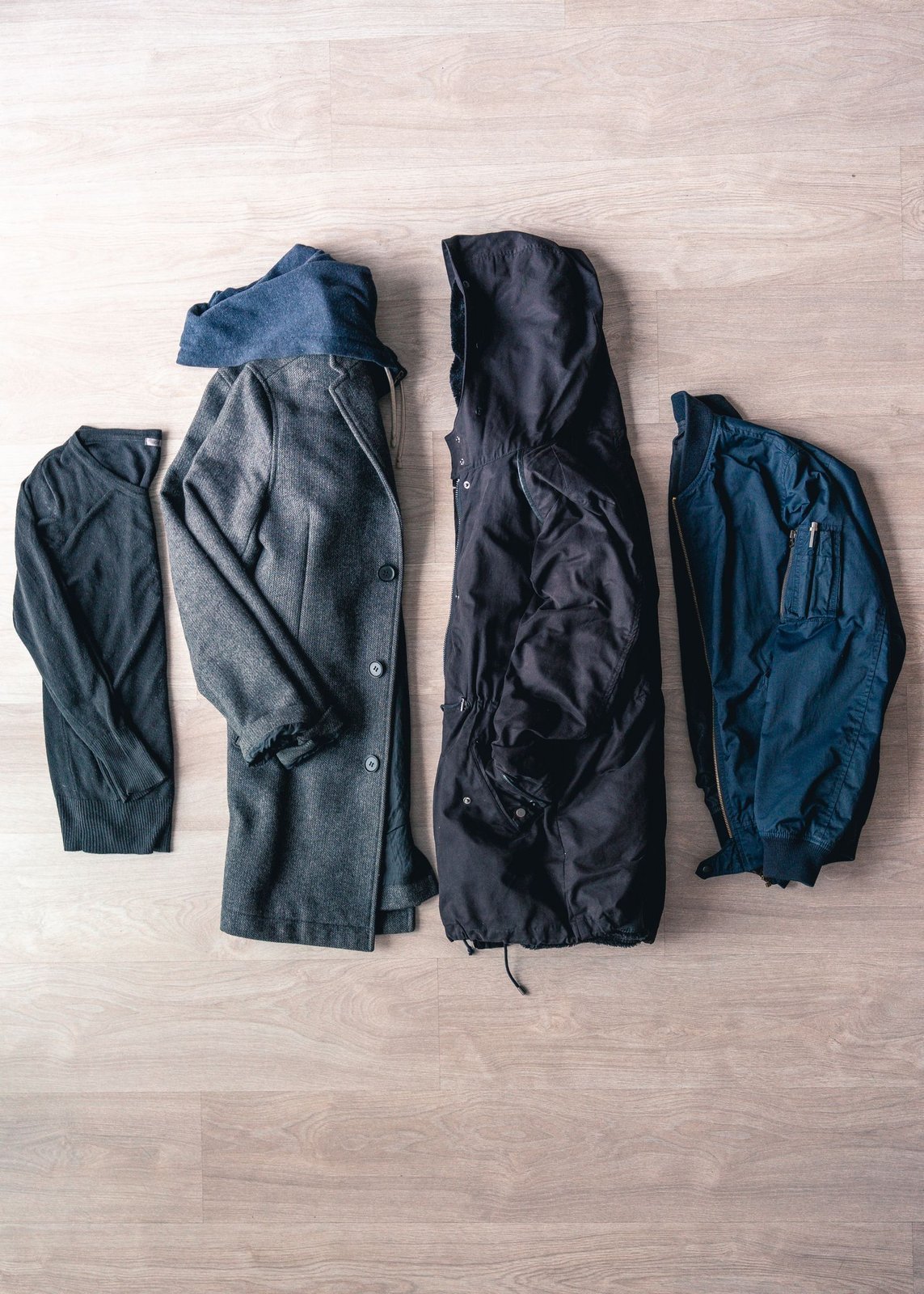
Good enough is not a walk-in of perfectly spaced luxury coats. It looks like this: two or three everyday coats can hang and dry without burying the rest of the closet, the wet coat of the day has a hook or chair of its own, extras live folded and dry on a high shelf, and shoes are not standing in drips from wet hems. Revisit the rod after a stretch of wet weather, because that is when crowding returns and damp linings hide in a packed row. That is a midwinter habit you can keep in a small apartment, not a renovation.
FAQ
How many winter coats should hang in a small closet at once?
Two or three everyday coats is a realistic number for most tight closets. If a hanging coat cannot dry without pressing into the next one, fold a true spare or move it to a sturdy rack or hook outside the closet.
Can I put a still-damp coat straight into the closet?
It is better not to. Hang the coat of the day on a chair back, a shower rod if the coat is only damp, or an over-door hook until the hem and lining feel dry, then move it to the closet rod so moisture does not sit against other clothes.
Are vacuum storage bags a good idea for winter coats?
Use them only for true extras you will not wear for weeks, and only if the fabric can take compression. Everyday coats need to hang or rest loosely so they can dry and keep their shape.
What if two people share one small closet?
Agree which two or three everyday coats each person may hang, and give the still-damp coat of the day a hook or chair outside the shared rod. Extras can live folded on a high shelf or on a rack if the closet rod is already full.
Where should wet boots go if coats hang above them?
Keep wet hems and wet shoes apart. Use a tray or mat for boots at the entry, and hang coats so hems do not drip onto footwear. A crowded floor under the coats is how both the coats and the shoes stay damp.