How to Get Salt and Slush Stains off Floors and Entry Mats in Winter
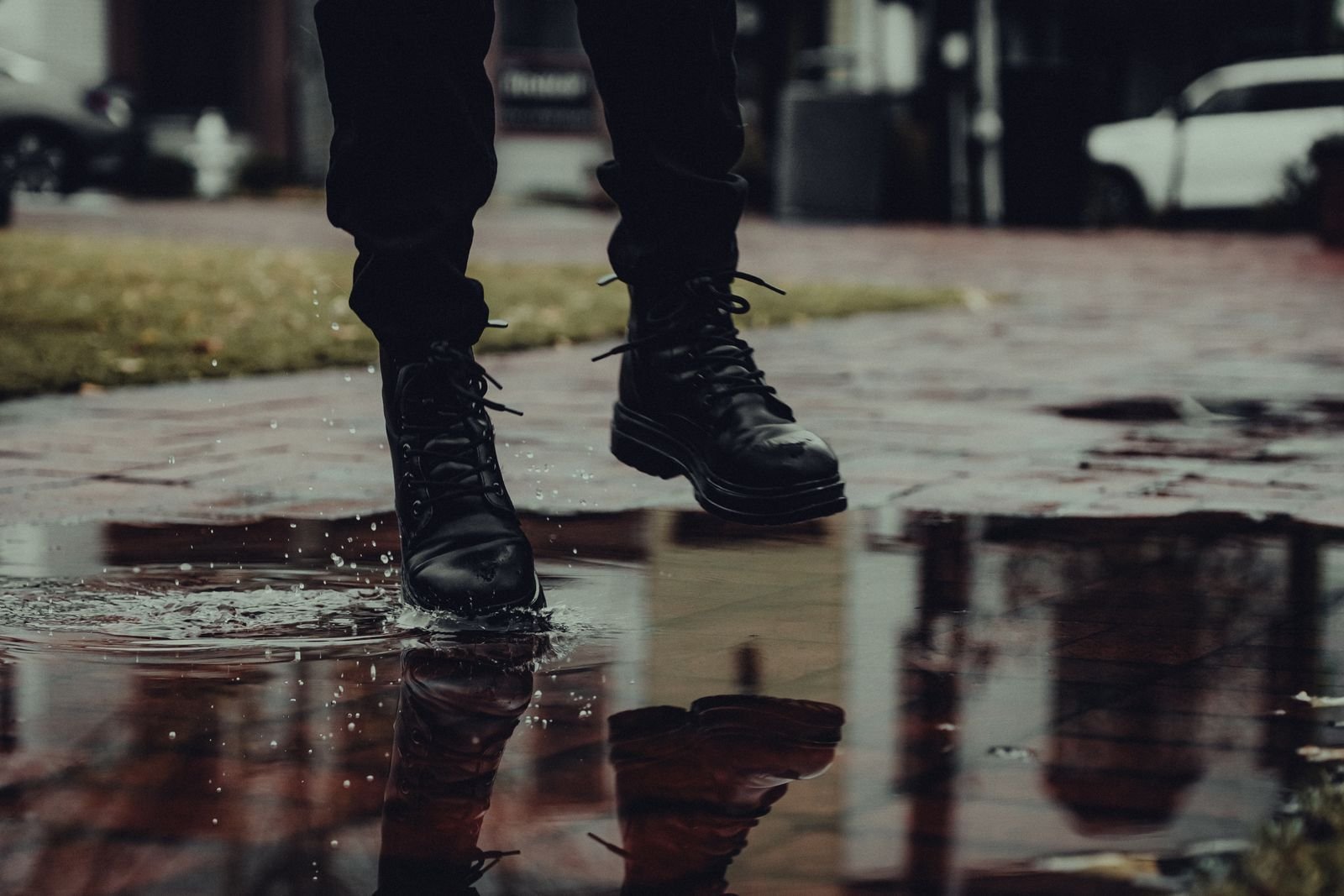
Winter slush does not stay on the sidewalk. The useful way to get salt and slush stains off floors and entry mats is a short habit after wet walks, plus a weekly catch-up, not a spring deep clean and not a new way to wash the whole apartment. Road salt and sandy melt leave a white film, a gritty path, and sometimes a dull patch on a rental floor if they sit overnight. What makes this its own skill is the combination of water, grit, and salt: the water spreads the mess, the grit scratches, and the salt dries into a white ring that a dry broom often just pushes around. The job is to stop most of that at the door, wipe what gets past the mat while it is still damp, and dry the entry so water does not linger.
Good enough is not a showroom floor all winter. It is an entry that is not crusty and a main room that does not wear a white path from the door to the sofa.
Stop most of the grit at the door
A dedicated entry mat and a shoes-off habit do more than any later scrub. One mat just inside the door, or a mat outside plus a second absorbent one inside if you have the room, gives wet soles a place to land. A scrape-style mat outside, if your building allows one, knocks off the worst lumps; a washable absorbent mat inside catches the melt. Ask people to take shoes off on the mat rather than halfway down the hall, and keep a pair of indoor shoes or socks in easy reach so the habit is easier to keep. If you have no true entry, the same mat can live on the first clear stretch of floor; How to Set Up a Drop Zone in a Small Apartment Without an Entryway is the broader landing-spot plan, and the winter version is simply a mat plus a place for wet shoes.
Wet boots should not dry on the only rug you care about, and they should not stand in a puddle on bare wood. A cheap tray or a waterproof mat under winter footwear keeps melt in one place. How to Store Winter Boots and Wet Shoes in a Small Apartment is the storage side of that habit. If you want a more finished shoe home once the boots are dry, Best Shoe Storage Cabinets and Racks for Small Apartments is the buying question; it is not a substitute for a wet-weather tray.
A wider entry setup—hooks, a bench, a place for bags—helps only if the floor is still protected. Entryway Storage for Small Apartments: A Calm Setup That Actually Fits can hold the dry side of the door. Keep the wet side simple: mat, tray, and a shoes-off rule you can keep on a weeknight.
Wipe the first few feet after slushy walks
When you come in, do not wait for the floor to dry into a white map. Knock loose snow back toward the mat or the tray, or run a dry cloth over the soles before the shoes come off if they are caked. Then wipe or damp-mop the first few feet of hard floor—the path that actually got walked, often from the door toward the kitchen or the sofa. A lightly damp microfiber pad or cloth is enough for a quick pass. Work from the cleaner end of the path back toward the mat so you are not spreading grit farther into the room. The floor should look barely wet and then dry, not flooded. If you can see a white film after the first pass, wait until that area is dry enough to tell salt from leftover moisture, then wipe again.
This is a short reset, closer to How to Do a 15-Minute Daily Cleaning Reset in a Small Apartment than to a weekend project. You are catching salt while it is still a film, not waiting until it cakes. If guests are coming later, a clean entry path also makes How to Speed-Clean a Small Apartment Before Guests Arrive faster, but that guide is a whole-home sprint; this article stays on salt, slush, and the first stretch of floor.
Do not soak hardwood. Extra water is as unkind as leftover salt, especially on a rental finish you did not install. Wring the mop well. On vinyl or tile, you can use a slightly wetter pad, but still dry the path so footprints do not walk grit farther in. Never let a puddle sit overnight at the door.

Match the cleaner to the floor, and skip harsh shortcuts
Salt residue is often a white haze rather than a dramatic stain. A renter-safe cleaner that matches the floor is safer than one harsh mix for every surface. Check the finish, the care label if you have one, and what your lease or building allows. Hardwood, vinyl, and stone do not take the same product, and a bleach splash on an unknown vinyl floor is a poor experiment in a rental.
Use as little cleaner as the label suggests, then rinse or wipe with a clean damp pad if the floor looks streaky. Do not invent a strong homemade recipe, and do not mix products. If a white ring remains after a damp wipe, a second pass with a cleaner approved for that finish is the next step, not a scouring powder that can dull the surface. On sealed hardwood, stay with a barely damp pad and a product written for wood; on vinyl, avoid anything the label does not mention, including bleach; on tile, you can usually clean the grout path more carefully, but still dry standing water so it does not creep under a mat or a shoe tray. When in doubt, test a small corner first and stop if the finish looks dull or cloudy. For a broader plan that covers several floor types, How to Clean Floors in a Rental Apartment (Hardwood, Vinyl, and Tile) is the general guide; keep this page for the winter salt path.
If the grit has jumped onto an area rug just inside the door, vacuum it while it is dry, then treat the rug as its own job rather than soaking it in place. How to Clean an Area Rug in a Small Apartment covers that without turning the entry into a wet laundry pile.

Mats: shake, vacuum, rinse, and dry
Mats do the dirty work, so they need a weekly catch-up even if you wipe the floor more often. Midweek is a good time, or after a stretch of slushy days, before the mat is stiff with salt. Take the mat outside and shake it if you can do so without sending grit onto a walkway someone else has to clear. Vacuum both sides, including the edges and the underside, where salt and sand collect. If the mat is washable and the building laundry or a tub allows it, rinse it in cool or lukewarm water, press the water out, and dry it fully—draped over a rack, a tub edge, or a drying stand—before it goes back on the floor. Lift the mat now and then and wipe the floor underneath, because a damp mat sitting on wood or laminate just moves the problem out of sight. If the mat has a rubber back, dry that side too so it does not stay sour or stain the floor.
Do not put a dripping mat in a shared dryer unless the care label and the laundry rules allow it, and do not bleach a mat whose fiber you have not checked. The goal is a mat that can take tomorrow’s slush, not a ruined one.
Sneakers that have been through salted slush are a laundry question of their own; How to Wash Sneakers in an Apartment Laundry Room is that separate task. A winter coat that has picked up road spray is also not the floor’s job; How to Wash a Winter Coat in an Apartment Laundry Room covers the coat, and the entry still needs its own wipe.
What to skip, and what good enough looks like
Skip leaving salt to “dry so you can sweep it later.” It cakes, it scratches, and it can dull a finish. Skip soaking hardwood in the name of a deep clean. Skip bleach on a floor you cannot name. Skip washing the whole apartment every time someone comes in from the snow; the first few feet and the mat are the job. Also skip running a soaking mop from the door all the way across the living room on a weeknight. That spreads grit and water farther than the salt actually traveled. Stay with the entry path, then stop, and let that short stretch dry before anyone walks it in socks.

A weekly catch-up is the time to look at the whole first stretch in good light, not just the obvious puddle. White rings around a mat, a dull patch in front of the door, and grit along the baseboard are the usual leftovers. Wipe those on the same visit as the mat, and dry the floor before you put the mat back. If a dull patch does not improve after a finish-safe cleaner, leave it and mention it at move-out rather than trying a stronger untested product on a rental floor. Good enough looks like this: shoes come off on a mat, the first stretch of floor gets a damp wipe after slushy walks, the mat is shaken or vacuumed on a weekly rhythm and dried after any rinse, and the main floor does not keep a white winter path. Re-check the path after the next thaw, when leftover salt often reappears. That is a midwinter habit you can keep in a small rental apartment, not a floor restoration project.
FAQ
What should I do right after a slushy walk?
Take shoes off on a dedicated mat, knock or brush loose grit back toward the door, and wipe the first few feet of hard floor with a damp—not soaking—cloth or mop. Let the mat and the floor dry rather than leaving a wet puddle.
Can I use the same cleaner on hardwood, vinyl, and tile?
No. Check the finish and use a cleaner the manufacturer or your lease allows for that surface. A mix that is safe on tile may be too harsh or too wet for hardwood or an unknown vinyl floor.
Should I let salt dry and sweep it later?
It is better not to leave it overnight. Salt can leave white rings and dull a finish if it sits. A quick wipe after wet walks, then a short weekly catch-up, is calmer than waiting for a crust to form.
How do I clean an entry mat in an apartment?
Shake it outside if you can do so without bothering neighbors, vacuum both sides, and rinse it in a tub or laundry sink only if the mat and the building rules allow. Dry it fully before you put it back so the floor underneath does not stay wet.
Is this the same as a whole-apartment floor clean?
No. This is the winter entry path: mats, the first few feet of floor, and the white film salt leaves behind. A broader floor-cleaning plan, and guest-ready speed-cleaning, are separate jobs.