How to Set Up Temporary Guest Storage for Coats and Bags in a Small Apartment
Guests do not arrive empty-handed. In a small apartment, coats, totes, and overnight bags can fill the only hallway in ten minutes, especially around a holiday meal or a weekend visit. The skill is not a better closet system for your own clothes. It is how to set up temporary guest storage for coats and bags in a small apartment, use it for one visit, and take it down when people leave.
Good enough is simple: guests know where to put things, the hallway stays walkable, and you are not piling coats on the only dining chairs. You do not need a mudroom renovation, and you should not invent a built-in you cannot install in a rental. Permanent closet work belongs elsewhere, including How to Organize a Coat Closet in a Small Apartment and How to Store Winter Coats and Heavy Jackets Without Crowding a Small Closet. This setup is for other people’s things, for a short stay. If the visit is one dinner, the landing spot can be a rack and a shoe mat that come out for the evening. If guests stay the weekend, the same idea still holds, with a parked place for overnight bags added so the doorway does not become a luggage closet.
Pick one agreed landing spot
The most useful decision is also the smallest: choose one place, tell people where it is, and keep everything else clear. A second “just put it there” spot is how shoes migrate into the kitchen and bags end up on the sofa.
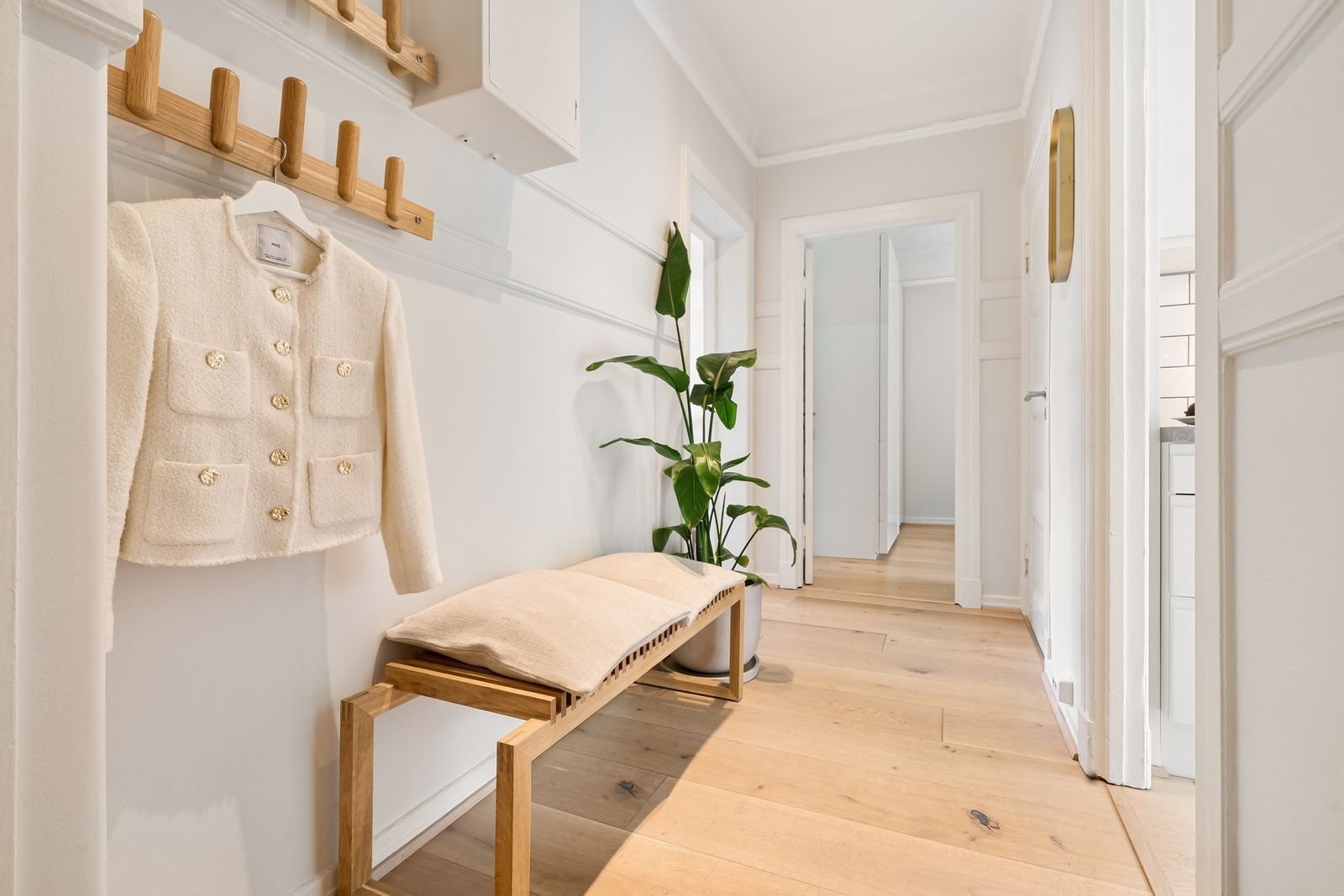
Good landing spots in a small apartment are ones you can assemble and later put away:
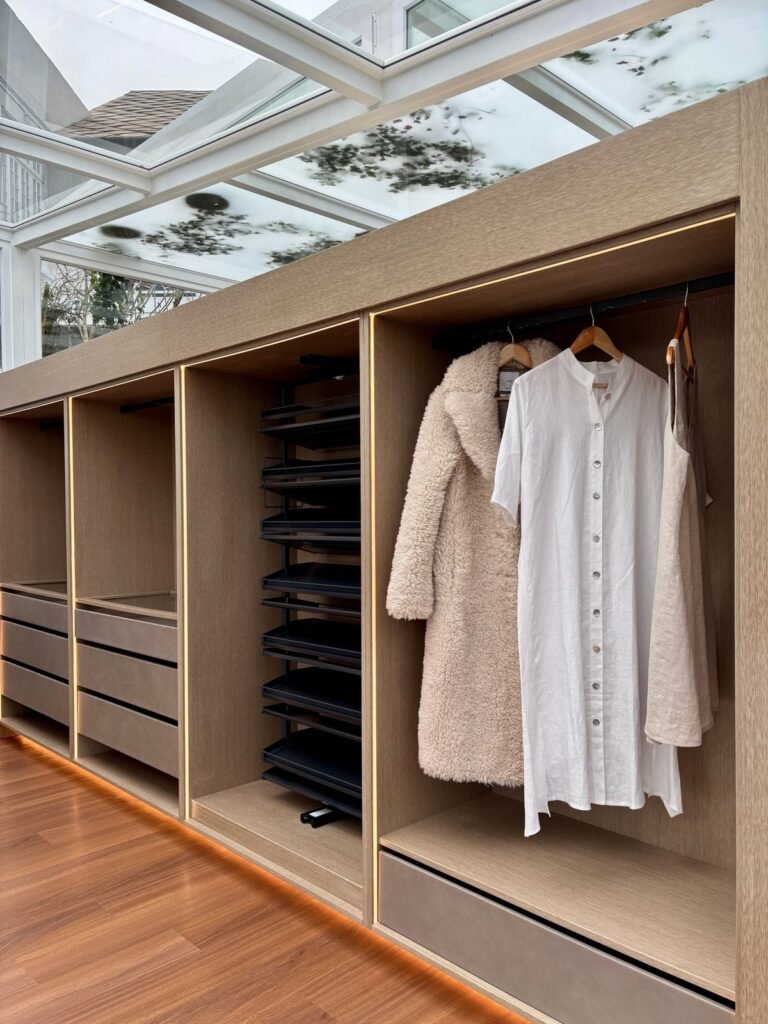
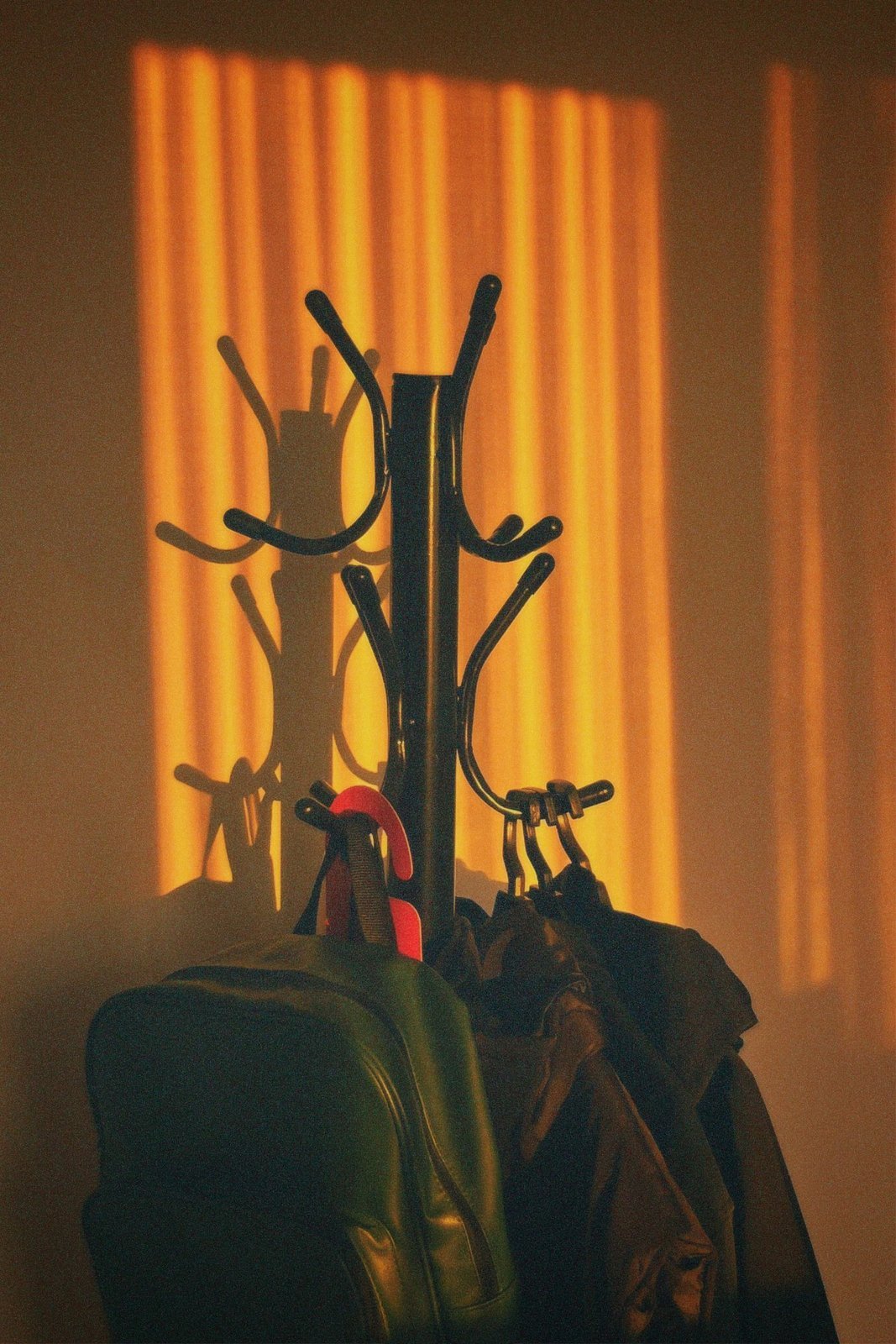
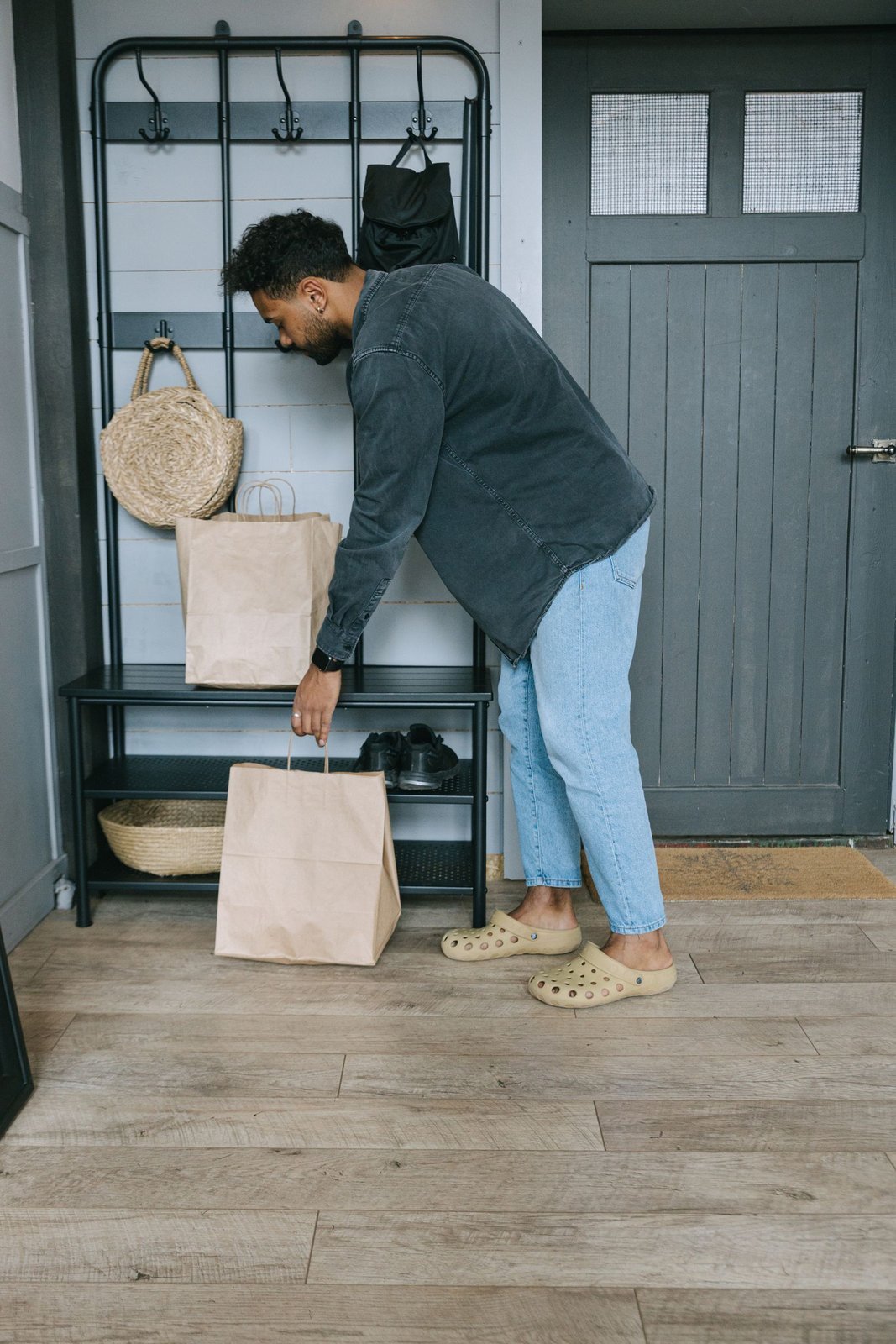
- A freestanding coat rack or a slim hall tree parked near the door, if it still leaves a walking lane.
- A clear hook row you already have, or a renter-safe hook rail you are already allowed to use, with empty hooks reserved for guests.
- A bedroom chair or bench that is not the only seat in the apartment, used only for a coat or two, not as the main overflow.
- A labeled bin, tray, or mat just for guest shoes, set where people can reach it as they come in.
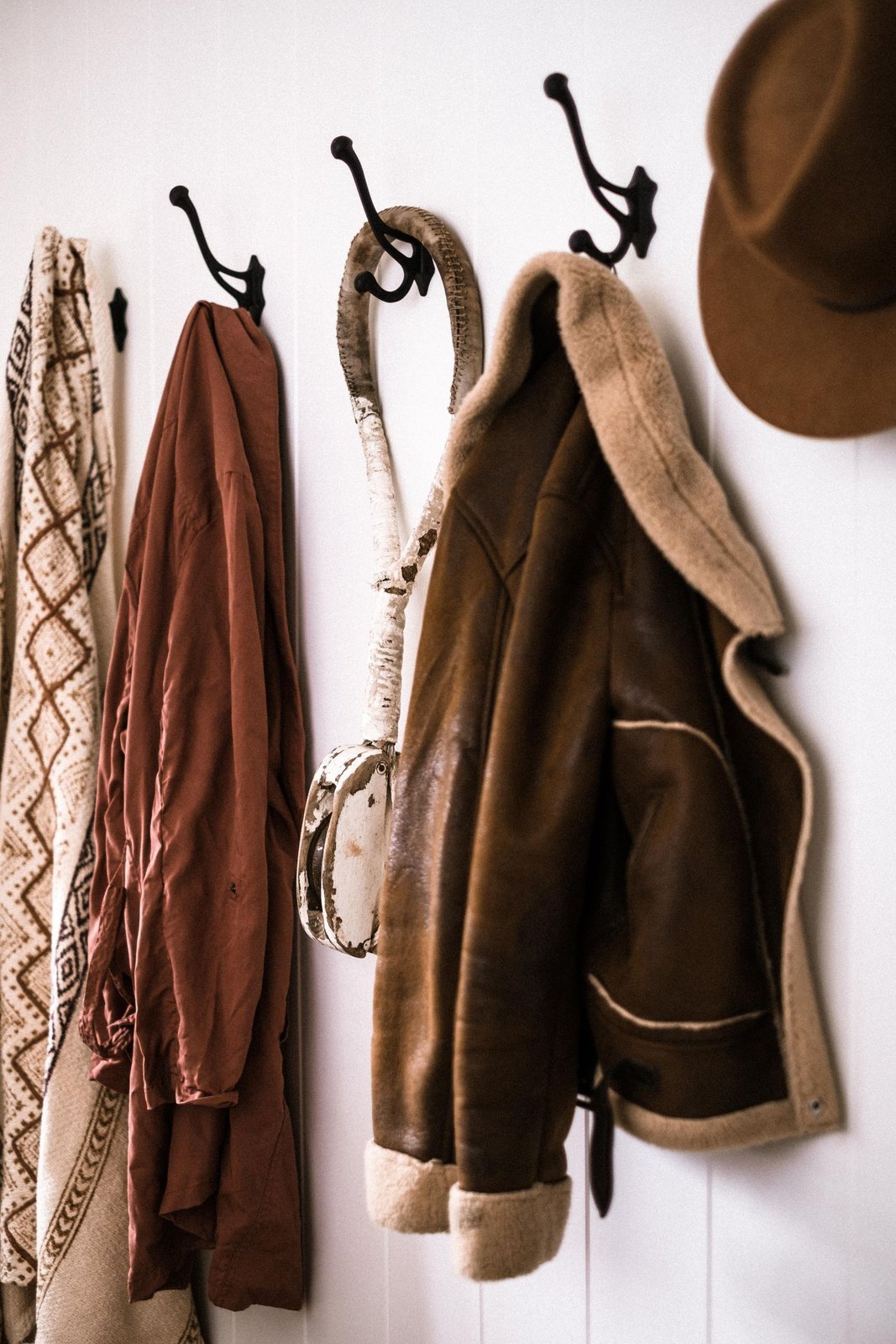
Say the rule out loud when the first person arrives: “Coats and bags go here; shoes go there.” Guests will follow a clear point faster than a polite wave at the whole entry. If you share the apartment, agree the spot with your roommate before the doorbell starts, so nobody’s everyday chair becomes the default coat pile.
What not to use as the landing spot: the only dining chairs, the only sofa cushions, the bed if someone still has to walk around it, or a hook already packed with your own jackets. Those surfaces get blocked, and the temporary system disappears. Dining chairs are especially tempting because they are empty when people first walk in; once coats land there, no one can sit down to eat, and the pile is awkward to move mid-meal. A rack, a hook row, or a bedroom chair reserved in advance avoids that scramble.
If you already have a calm everyday entry, you can borrow a sliver of it for the visit without turning this into a permanent redesign. Entryway Storage for Small Apartments: A Calm Setup That Actually Fits and How to Set Up a Drop Zone in a Small Apartment Without an Entryway are everyday systems; this article is the guest overlay you add and then remove.
Plan for wet coats, slush, and shoes
A holiday visit often arrives with wet hems, snow, or rainy totes. In a small apartment, that moisture spreads fast: across the only floor path, onto a bed, or into a closet that never fully dries. The temporary system needs a wet-item plan, not just hooks.
Keep it physical and obvious:
- Put a mat, tray, or shallow boot bin where shoes come off, before people step further in.
- Give dripping coats a little air and a place to hang, not a pile on a chair. A rack or hook is better than a bed or sofa.
- Keep a small towel at the landing spot for wet bag bases or umbrellas, and hang umbrellas with the coats if you have a spare hook.
- Do not tuck wet boots into a closed closet or under a bed for “just an hour.” They need air, and a hidden wet pair is how a small entry starts to smell.
Everyday winter-boot storage is a different, longer-term job; see How to Store Winter Boots and Wet Shoes in a Small Apartment when you are organizing your own shoes. For guests, the bar is lower and shorter: contain the water, keep the walkway dry, and make the shoe drop visible so no one has to guess.
If the landing spot is tight, shoes get priority on the floor and coats get the vertical space. Bags can sit on a hook, a rack peg, or a bench that is not also the only place to sit down and take shoes off. If two people arrive at once, the mat and the hooks should be close enough that one person is not blocking the kitchen while the other deals with a wet coat.
Give overnight bags a home that is not the walkway
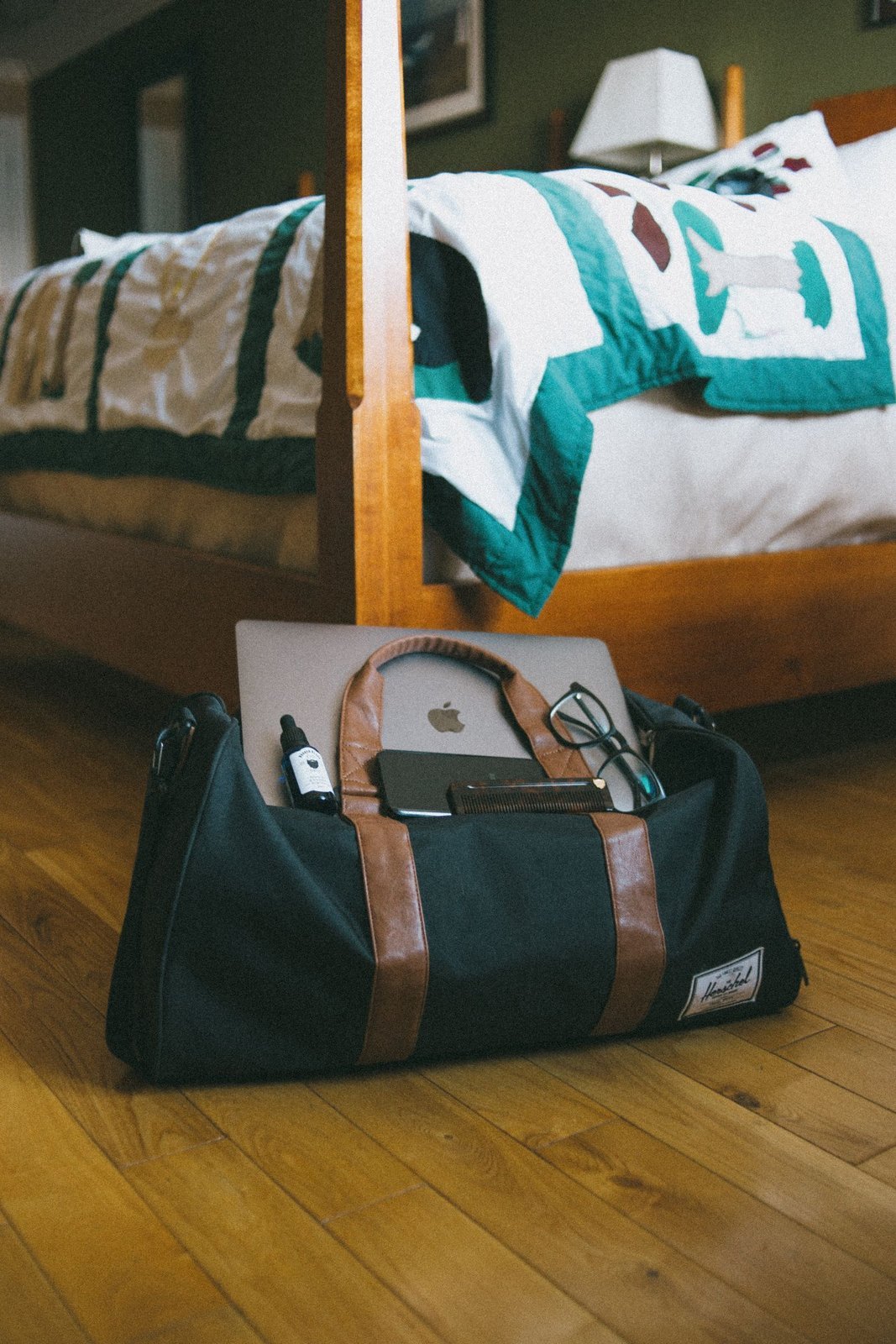
A tote for dinner is one problem. An overnight bag is another: it is bulky, it tends to land “just inside the door,” and in a small apartment that doorway is also the path to the kitchen and the bathroom. The bag needs a home that is not the only walkway.
Good short-stay options:
- A corner of the room where the guest will sleep, against a wall, not at the foot of a bed people have to squeeze past.
- The same rack or hook used for coats, if the bag has a strap and the rack stays stable.
- Under a bed or in a closet only if the floor is dry and the bag is not blocking something the household still needs that night.
- A bench or a low shelf that is already in the room, cleared of your own things for the visit.
Do not invent a luggage closet for a two-night stay, and do not treat this as your own off-season suitcase project. How to Store Luggage in a Small Apartment is the household luggage system. How to Store Bags, Backpacks, and Totes in a Small Apartment is everyday bag storage for the people who live there. Guest bags only need a parked spot until checkout. A packed bag is also easier to live with if zippers face the wall and straps are tucked, so they do not catch every person walking past in the night.
If more than one overnight bag arrives, stack or line them in that same parked zone rather than starting a second pile by the door. One agreed bag area is easier to take down than three informal ones.
Keep gift bags and extras out of the landing zone
Holiday guests sometimes arrive with shopping bags, wrapped gifts, or a spare tote of food. Those extras will swallow a temporary coat zone if you let them share the same hook. Give gifts and overflow a different short-term surface—a table already in use, a bedroom dresser, or the unused seat of a chair that is not holding coats.
This is not a gift-wrap storage project. If you need a home for wrapping paper, gift bags, and cards after the visit, use How to Store Gift Wrap, Bags, and Cards in a Small Apartment. During the visit, the only rule that matters is: the coat-and-shoe landing spot stays for coats, bags, and shoes.
A 10-minute reset after people leave
Temporary storage earns its keep when it disappears. After guests leave, give yourself about ten minutes—not a closet overhaul—to put the apartment back.
A practical reset:
- Hang or fold leftover guest items only if someone is still staying; otherwise return any forgotten scarf or hat to a clearly visible catch-all, not a hidden closet.
- Move wet mats and trays somewhere they can dry, then put them away once they are dry.
- Take down the extra rack, clear the reserved hook row, and put the bedroom chair back in its usual job.
- Return your own bags and coats to their everyday homes so the temporary zone does not quietly become permanent clutter.
- Do a quick floor pass at the door so grit and melted slush do not travel farther into the apartment.
If a guest is staying another night, reset only what is in the way: hang stray coats, line shoes back on the mat, and move any bag that has drifted into the walkway. The full takedown can wait until the last person leaves.
The test is the same as the setup: can you walk from the door to the kitchen without stepping over a bag or moving a chair? If yes, the temporary system did its job. If a wet mat is still drying, leave it out in a corner until morning rather than putting a damp tray back in a closed cabinet. Temporary storage should not create a moisture problem you then have to solve as a cleaning project.
How to apply it
To set up temporary guest storage for coats and bags in a small apartment, pick one landing spot, say it out loud, and add a wet-shoe plan plus a parked place for overnight bags that is not the only walkway. Do not pile coats on the only dining chairs, and do not build a rental-unfriendly built-in for a single weekend. When people leave, take the setup down in about ten minutes so the hallway is walkable again.
A landing spot guests can actually use will always beat a closet renovation you did not have time to finish before the doorbell rang.
FAQ
Where should guests put coats in a small apartment with no coat closet?
Pick one visible landing spot: a freestanding rack, a clear hook row, or a chair that is not the only seat. Tell people where it is when they arrive, and keep your own everyday jackets off those hooks for the visit.
How do I keep wet shoes from spreading slush through the apartment?
Put a mat, tray, or shallow bin at the door and make it the first stop. Hang dripping coats with a little air, and do not tuck wet boots into a closed closet or under a bed.
Where should an overnight bag go if the hallway is narrow?
Park it in the room where the guest will sleep, against a wall, or on a stable rack hook—not in the only path to the kitchen or bathroom. Keep all overnight bags in that same zone rather than starting a second pile by the door.
Is a hook row better than a standing rack?
Use whichever option leaves a walking lane and can come down or clear off after the visit. A rack is easier to move in many rentals; a hook row is better if you already have empty hooks and no floor space for a stand.
What should I do after guests leave?
Spend about ten minutes taking the temporary setup down: dry the mat, clear the reserved hooks or rack, put the chair back, and return your own things to their usual homes so the guest zone does not stay up all winter.