How to Set Up a Temporary Overflow Fridge Zone for a Holiday Meal in a Small Apartment
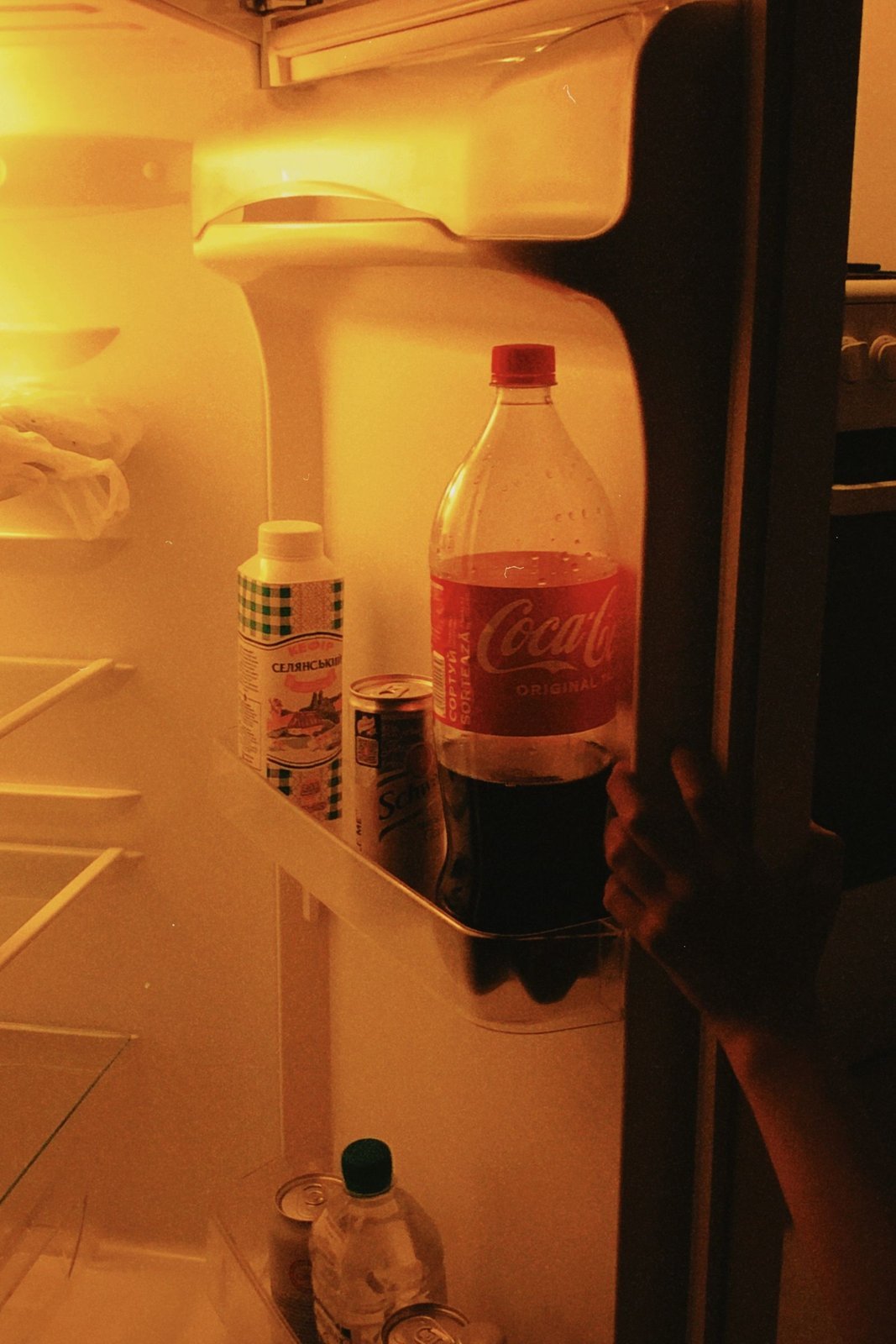
On a holiday in a small apartment, the refrigerator often fills before the turkey even rests. Cans, backup sides, and a gallon of milk fight for the same door shelf. The useful response is not a new everyday storage system. It is to set up a temporary overflow fridge zone for a holiday meal in a small apartment: one cold overflow with a job for that day, then take it down when the meal is over.
This is not a guide to organizing your fridge for ordinary weeks, rearranging a small freezer, storing leftovers after the meal, or parking warehouse-club groceries long term. It is also not a mini-fridge buying guide or a drinks-station setup for pouring. What follows is a same-day plan for parking extra-cold drinks and already-chilled dishes so the main fridge can still open while you cook.
Give the overflow one job
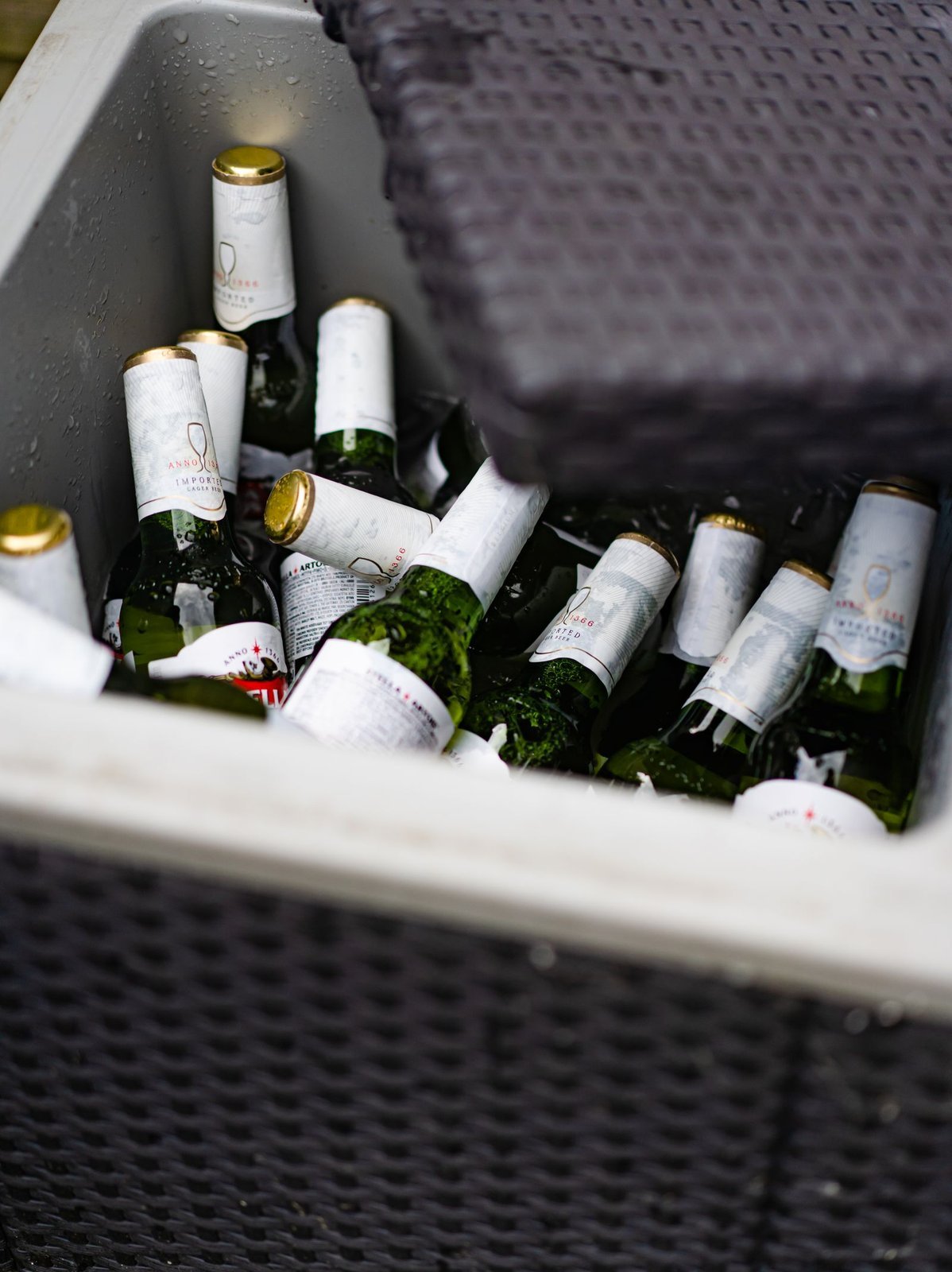
Start by deciding what this zone is for. The cleanest holiday overflow is drinks: bottles, cans, and a pitcher that would otherwise claim the door shelves you need for milk, eggs, and food you are cooking. A second job is already-chilled backup sides that are staying cold until serving, such as a made-ahead salad or a covered cold dish. A third is a short hold for items that arrived cold and are not going straight into the fridge.
Do not ask one cooler to do every job at once. A beverage tub full of ice is a good overflow for drinks, not for a raw protein or food you will eat without more cooking. If you need overflow for both drinks and food, use two containers, or put drinks in the tub and keep food in a closed cooler with its own ice packs.
If more than one person will be in the kitchen, a “drinks only” label on the lid is enough. That keeps a helper from dropping raw meat into the same ice as the sodas.
The everyday layout of shelves can wait. How to Organize a Small Apartment Fridge is the system you return to after the holiday. Tonight you only need to get bulky cold drinks and a few already-cold dishes out of the way so you can still open the door.
Park it out of the cooking aisle
The overflow has to live where it will not trip anyone and where a dripping cooler will not ruin a rental floor. A closed cooler on a dining table, against a wall outside the kitchen, or at the far end of a galley is usually better than the middle of the cooking aisle. Leave a walking path to the stove, sink, and fridge.
Put a folded towel, a baking sheet, or a boot tray under the cooler or tub before you add ice. That barrier protects a wood or laminate floor if meltwater escapes. Do not park a dripping cooler on a bare rental floor “just for an hour.”
A beverage tub can sit on that same towel on a low table or at the edge of the room, as long as it is not in the path to the oven. This overflow is not the pouring setup; once bottles are cold, move a few at a time to the drinks station in How to Set Up a Drinks Station for Holiday Guests in a Small Kitchen. Keep the ice and the heavy reserve where they will not block cooking.

If the only unused surface is the dining table, use it. You can set the table later, or eat with the cooler at one end if the apartment is tight. A blocked fridge during cooking is worse than a cooler in the dining room for one afternoon.
Keep raw food and ready-to-eat food separate
This is the safety line that matters most in a temporary zone. Raw meat, poultry, or fish should not share ice or a tub with drinks or food that will be eaten without more cooking. If a raw item still needs to stay cold, give it its own closed container in the main fridge, or its own marked cooler kept below anything ready to eat. Do not set a leaking package on a salad.
HomeRivr will not invent special thawing methods, and it will not tell you to thaw a turkey unsafely in a cooler, a sink, or on a balcony. Follow current official guidance for thawing; if you are unsure, keep the bird in the refrigerator. The overflow zone is for drinks and already-chilled items, not for improvising a thaw.
Ready-to-eat dishes that go into a cooler should already be cold, covered, and in leak-resistant containers. A cooler is a short-term hold, not an overnight refrigerator. If a dish still needs to stay cold after the meal, move it into the fridge once you have space. How to Store Leftovers in a Small Kitchen covers what happens after dinner; this zone is for the hours around the meal.
Be careful with a winter balcony
A cold balcony or fire escape can look like free overflow in winter, and sometimes it is useful for drinks in sealed bottles. Treat it as a last resort, not a default fridge. Sun on a dark cooler can warm the contents even on a cold day, and a late-afternoon thaw is easy to miss from inside.
Building rules matter. Many rentals do not allow items on fire escapes, and you should never block a fire escape or a required exit with a cooler. If you use outdoor cold at all, stick to sealed drinks in a closed cooler, keep food that must stay reliably cold indoors, and bring everything back in before the temperature becomes unpredictable.
Produce and other groceries that belong in a fridge should not be left on a balcony “because it is cold enough.” How to Store Fresh Produce in a Small Kitchen and How to Unpack and Put Away Groceries in a Tiny Kitchen are the everyday unpacking jobs. For a holiday overflow, the balcony is only a cautious option for sealed drinks, with a plan to bring them back in.
What not to buy for one meal
A temporary overflow should use what you already have, or one inexpensive cooler or tub you will use again. You do not need to buy a freezer for a single holiday, and this article will not point you toward a compact-freezer purchase. If you have been considering a mini fridge for a studio, that is a longer-term decision; see Best Mini Fridges for Small Apartments. Do not treat that purchase as the solution to one crowded cooking day.
The same caution applies to the freezer you already own. It can hold ice packs, bags of ice, or a make-ahead item that is meant to stay frozen. It should not become overflow for food that is supposed to stay refrigerated but not frozen. How to Organize a Small Kitchen Freezer will help you use that space well on ordinary weeks. For the holiday, freeze ice packs ahead if you can, and leave the freezer for frozen food.
Bulk groceries bought for the meal can also swallow the fridge before cooking starts. Park drinks in the overflow first, and only stash extra dry or frozen backup items where they belong. How to Store Bulk or Warehouse-Club Groceries in a Small Kitchen is the longer storage problem. Today, the overflow exists so those warehouse bottles are not occupying the shelf you need for the main dish.
Set it up before cooking starts
The overflow is harder to create once the stove is on. Set it up when groceries come in, or at least before you start the main cooking. Load drinks first, add ice or frozen packs, close the lid, and confirm the towel is under the cooler. Then you can cook with a fridge you can still open.
This pairs naturally with a small-apartment holiday: How to Cook a Holiday Meal in a Small Apartment Kitchen is the cooking plan, and How to Host a Dinner in a Small Apartment is the wider hosting plan. The overflow is the cold-storage piece that keeps those plans from stalling at a fridge that will not close.

Check the ice once or twice during the afternoon, especially if the apartment is warm. Add ice if drinks are no longer fully surrounded, and empty meltwater if the tub is getting sloppy. Keep the lid on a food cooler except when you are taking something out.
Take the zone down the same day
A temporary overflow should not become a second messy fridge overnight. After the meal, move leftover food that is staying with you into the main refrigerator, return leftover sealed drinks to a door shelf, and dump ice in the sink. Dry the cooler, roll up the towel, and put the zone away.
If the cooler is still wet, leave it open on the boot tray until it dries. A closed, damp cooler left in a closet will smell by the next weekend. The point of a temporary zone is that it can disappear, leaving one fridge to do its ordinary job.
A short overflow checklist
Before you start cooking, confirm:
- You have decided what the overflow is for: drinks, already-chilled sides, or two clearly separate holds.
- The cooler or tub is out of the cooking aisle, with a path to the stove, sink, and fridge.
- A towel, tray, or boot tray is under it so meltwater will not sit on a rental floor.
- Raw food is not sharing ice or a tub with drinks or ready-to-eat dishes.
- You are not relying on a balcony unless drinks are sealed, the spot is allowed, and a fire escape is not blocked.
- You are not thawing a turkey in this zone, and you are not buying a freezer for one meal.
- Ice or ice packs are in place before cooking starts, and you know when you will take the zone down.
If those points are in place, you have set up a temporary overflow fridge zone for a holiday meal in a small apartment well enough. The main fridge should now open.
FAQ
What should go in a temporary overflow fridge zone?
Give the zone one job, usually drinks, or already-chilled backup sides in a separate closed cooler. Do not mix raw meat with beverages or ready-to-eat food in the same ice.
Where should I put a cooler in a small apartment?
Park it out of the cooking aisle: on a dining table, against a wall, or at the far end of a galley, with a walking path to the stove, sink, and fridge. Put a towel or tray underneath to catch meltwater.
Can I use a winter balcony as overflow cold storage?
Only with caution, and usually only for sealed drinks in a closed cooler. Watch for sun and temperature swings, follow building rules, never block a fire escape, and keep food that must stay reliably cold indoors.
Do I need to buy a mini fridge or freezer for one holiday meal?
No. A cooler, a beverage tub, and ice packs you already have are enough for a same-day overflow. A mini fridge is a longer-term purchase, not a one-meal fix, and you should not buy a freezer just for this day.
When should I take the overflow zone down?
The same day, after the meal. Move leftover food into the main fridge, dump the ice, dry the cooler, and put the towel away so the temporary zone does not become overnight clutter.